9 Foods Seniors Say Tasted Better When They Were Young
Ask anyone over 65 about the food they grew up with, and you’ll probably hear the same thing. “Tomatoes used to taste like tomatoes.” “Nothing beats a real Coke from a glass bottle.” “Peaches today are as hard as rocks.” Younger relatives often roll their eyes and blame nostalgia.
But in many cases, seniors aren’t imagining things. Over the last 60 years, the way food is grown, bred, shipped and made has changed dramatically. Fruits are often picked before they ripen so they can travel across the country. Recipes have been tweaked to save money. Farmers have bred crops for size, color and shelf life, and flavor sometimes got left behind.
Memory certainly plays a part, since food tastes better when it’s tied to childhood summers and family dinners. Still, there’s real evidence behind many of these complaints. Here are nine foods seniors say tasted better when they were young, and what changed along the way.
1. Tomatoes
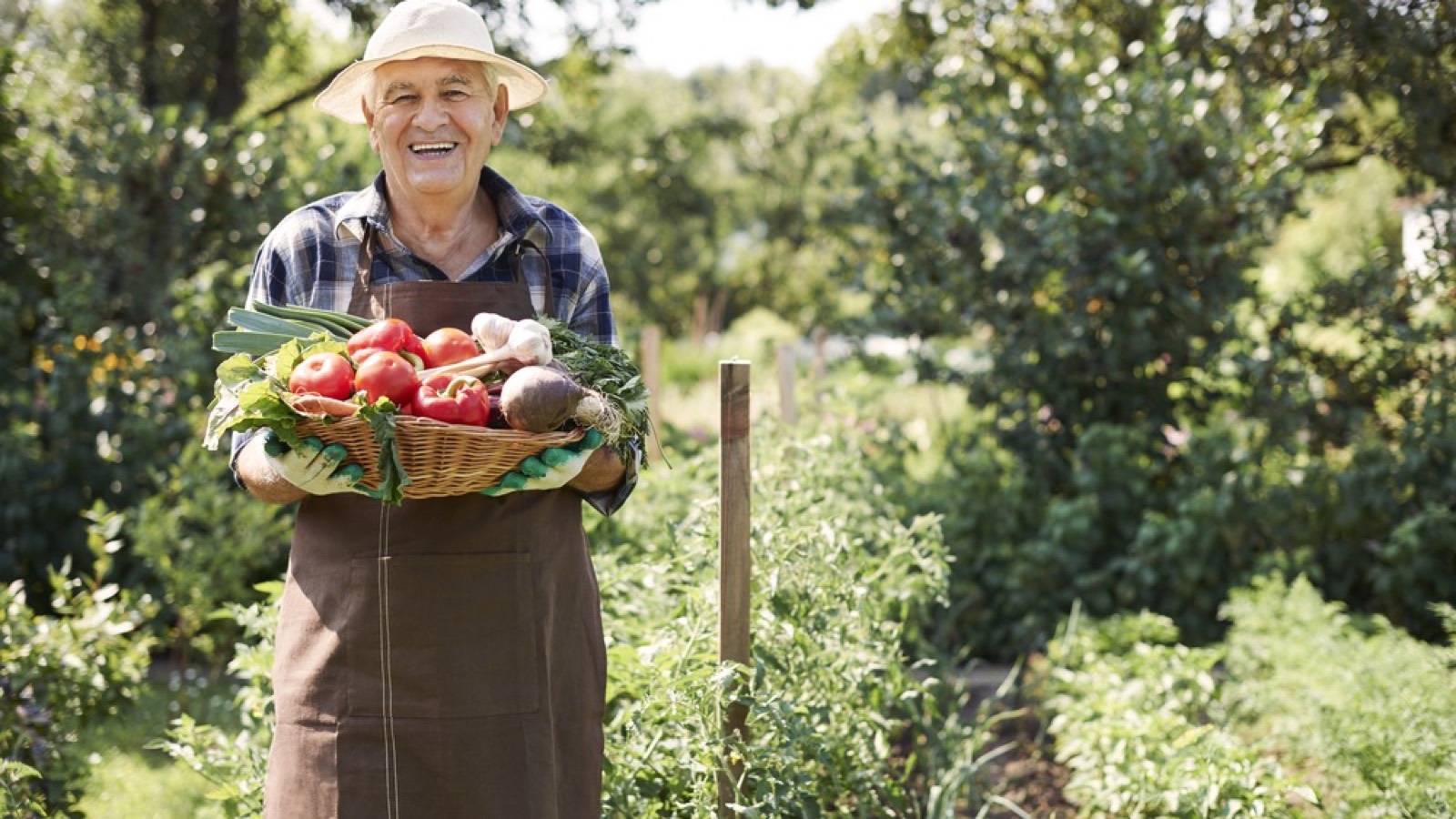
This is the number one complaint, and science backs it up. Many older Americans remember tomatoes picked warm from the backyard garden, so juicy and sweet that you could eat them like apples. Today’s supermarket tomatoes often look perfect but taste watery and bland.
In 2012, scientists reported in the journal Science that a trait bred into most modern tomatoes, which makes them ripen to an even red color, also reduced their sweetness. As NPR explained, the old green “shoulders” on tomatoes helped them make more sugar. Tomatoes are also often picked green for shipping, which doesn’t help either.
2. Peaches
Peaches are another fruit seniors say have lost their magic. They remember biting into a ripe peach and having juice run down their chin. Many store-bought peaches today are firm, mealy or flavorless, even when they look ripe.
The problem is often the same as with tomatoes. Peaches bruise easily, so they’re usually picked before they’re fully ripe to survive shipping. Once picked, they soften but don’t get much sweeter. That’s why many people say the only good peaches now come from farm stands or backyard trees, just like they did decades ago.
3. Red Delicious Apples
The Red Delicious was once America’s favorite apple, and early versions were said to be sweet and flavorful. Over the decades, growers chose strains that were redder, shinier and better at surviving long storage. Many people feel the taste suffered along the way.
Farmers’ Almanac notes that the push for deep red color and thick skin has been linked to the apple’s decline in flavor, though experts still debate the exact cause. Today, many shoppers have switched to varieties like Gala and Honeycrisp, while older folks wonder what happened to the apple they loved.
4. Strawberries
Older Americans often remember small, sweet strawberries picked in late spring, so fragrant you could smell them from across the room. Today, strawberries are available all year and are often much bigger, but many say they taste more like water than fruit.
Modern strawberries have been bred to be large, firm and long-lasting so they can be shipped from California and Florida to stores everywhere. That often comes at the cost of sweetness and aroma. Local, in-season strawberries are still a treat, and many seniors make a point of seeking them out each spring.
5. Coca-Cola
Ask a boomer about Coke, and many will tell you it tasted better from a glass bottle in the 1950s and ’60s. Part of that may be the glass, which keeps the fizz and doesn’t add any flavor. But there’s another change: the sweetener.
In the late 1970s and early 1980s, Coca-Cola and other soda makers in the U.S. switched from cane sugar to cheaper high-fructose corn syrup. The History Channel notes the switch happened under CEO Roberto Goizueta, not long before the famous New Coke flop. That’s why some fans seek out Mexican Coke, which is still made with cane sugar.
6. Ice Cream
Many seniors say ice cream used to be richer and creamier. Some of that may be true. Over the years, many brands have added more air to their ice cream, a process called overrun, so a carton holds less actual ice cream. Some products have also changed their recipes.
In fact, some cartons in the freezer aisle are no longer labeled “ice cream” at all. They’re called “frozen dairy dessert,” because they don’t meet the federal standard for how much milk fat ice cream must contain. If your favorite brand tastes different than it used to, check the label. You might be surprised.
7. Bread
Older Americans remember the smell of the neighborhood bakery and loaves of bread that were crusty on the outside and soft inside. Many say today’s supermarket bread tastes like sweet, airy cotton by comparison.
Commercial bread has changed a lot since the mid-20th century. Factory methods sped up the process, and many brands use dough conditioners and extra sugar to keep loaves soft for days. That’s one reason artisan bakeries have made such a comeback. For many seniors, a fresh loaf from a real bakery is the closest thing to the bread they grew up eating.
8. Pork Chops
Seniors who grew up on farms often say pork used to be juicier and more flavorful. They’re onto something. Starting in the 1980s, the pork industry bred hogs to be much leaner, and the “Pork. The Other White Meat” ad campaign launched in 1987 to promote it as an alternative to chicken.
With less fat in the meat, pork chops can dry out quickly if they’re overcooked. Many older cooks remember frying chops in a cast-iron skillet and having them stay tender. Today, cooks often brine pork or use thicker cuts to get that juicy texture back.
9. Candy Bars
Many seniors swear their favorite candy bars tasted better and were bigger when they were kids. The size part is often true. Candy bars have shrunk over the years as companies try to keep prices steady while costs rise, a practice now called shrinkflation.
Some recipes have changed too. Rising cocoa prices in recent years have pushed some candy makers to adjust their recipes, and a few products have even been relabeled. For people who remember a nickel candy bar that seemed huge in their hands, today’s version can feel like a letdown.
Is It Nostalgia or Real?
The truth is, it’s a bit of both. Food really has changed in many ways, from how it’s bred to how it’s shipped and made. But memories of childhood, summer days and Grandma’s kitchen also make the past taste sweeter. Many of the foods boomers loved are still around, just not quite the same.
You can still find much of that old flavor at farmers markets, local bakeries and backyard gardens, along with old-fashioned foods worth making at home. Which food do you think tasted better when you were young? Tell us what you miss the most.