9 Signs a Woman Was Raised in a House Where Dinner Was Always Homemade
Some women can walk into almost any kitchen, open the fridge and have a hot meal on the table in 30 minutes without ever looking at a recipe. They don’t panic when unexpected guests show up, and they have strong opinions about how gravy should be made. Chances are, they grew up in a house where dinner came from the stove, not a delivery bag.
For many families in the ’50s, ’60s and ’70s, homemade dinner every night was simply how life worked. Eating out was a treat for birthdays or special occasions, and Mom, Grandma or sometimes Dad cooked almost every meal. Today things look very different, as the USDA’s Economic Research Service reports that Americans spent 56.3% of their food dollars on food away from home in 2025.
Women who grew up on home cooking often carry those habits for life, sometimes without realizing how unusual they’ve become. If you recognize yourself, your mother or your grandmother here, you’ll know exactly what we mean. Here are nine signs a woman was raised in a house where dinner was always homemade.
1. She Cooks Without Measuring
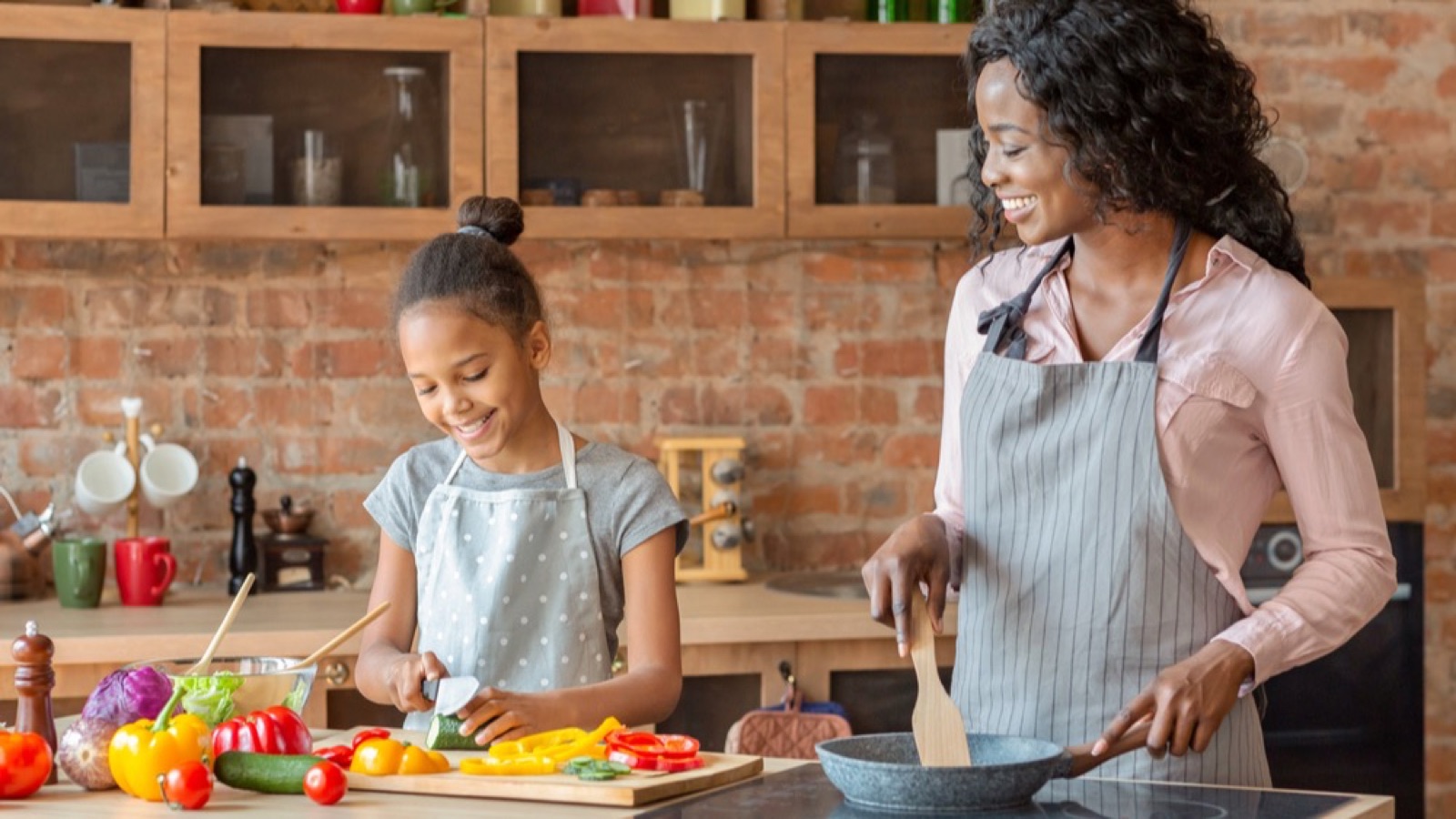
Ask her how much salt goes in the soup, and she’ll probably say “about this much” while cupping her palm. She learned by standing next to her mother at the stove, watching and tasting rather than following written instructions. Measuring cups come out mainly for baking.
This kind of cooking by feel comes from years of repetition. When you’ve watched the same pot roast or pan of cornbread get made hundreds of times, you just know when it’s right. It’s a skill that’s hard to teach from a cookbook, and it’s one of the clearest signs of a home-cooked childhood.
2. Her Pantry Is Never Empty
Open her cupboards, and you’ll find flour, sugar, rice, dried beans, canned tomatoes, broth and a solid lineup of spices. She grew up in a house where running to the store for one ingredient wasn’t always an option, so the pantry was always stocked. Even today, she feels uneasy if the shelves start looking bare.
A well-stocked pantry means she can make dinner on short notice without a special trip. It’s the same habit that kept her mother and grandmother ready for anything, from a snowstorm to surprise company. To her, those full shelves feel like security.
3. She Can Make Something Out of “Nothing”
When the rest of the family says there’s nothing to eat, she somehow pulls together a full meal. A few eggs, some leftover potatoes and half an onion become a skillet hash. A can of soup, some noodles and leftover chicken turn into a casserole that feeds everyone.
She learned this from a mom who rarely let anything go to waste, and who could stretch a meal when money was tight. Many of the classic family casseroles of that era were born from exactly this kind of creativity. It’s a talent that can’t be bought, and her family often takes it for granted.
4. She Owns a Well-Seasoned Cast Iron Skillet
There’s a good chance she has a heavy black skillet that’s been in the family for decades, or one she’s been building up herself for years. She knows not to let it soak in the sink and she gets a little protective when someone else tries to clean it. To her, that pan is practically a family heirloom.
Cast iron gets better the more you use it. As Lodge explains, every time you cook with oil or fat, you add another layer of seasoning, and those layers build a slicker cooking surface over time. A woman who grew up with homemade dinners understands that, because she watched her mother’s skillet get better year after year.
5. She Makes Pie Crust From Scratch
Store-bought crust is fine for some people, but she was taught to make her own. She knows to keep the butter or shortening cold, to handle the dough as little as possible and to chill it before rolling it out. For her, holiday pies just don’t feel right any other way.
Test kitchens like King Arthur Baking still share detailed homemade crust recipes, but she probably learned hers from a grandmother who never wrote it down. Making crust by hand is one of those skills that gets passed from one generation to the next, usually on a floured kitchen table.
6. Dinner Happens at the Same Time Every Night
In her childhood home, dinner was at 6 p.m. sharp, or whatever time Dad got home from work. Everyone was expected to be there, and you didn’t wander in late without a good reason. That rhythm stuck with her.
Today she still likes to have dinner at a regular time, even if it’s just for two. Researchers and family groups such as Harvard’s Family Dinner Project have encouraged families to make mealtime a regular habit. Harvard’s Graduate School of Education has pointed out that even imperfect, rushed family dinners can still be worth keeping, which she already knew.
7. She Has a Recipe Box Full of Handwritten Cards
Somewhere in her kitchen is a tin or wooden box stuffed with stained, handwritten recipe cards. Some are in her mother’s handwriting, some came from aunts and neighbors, and a few have notes like “double the onions” scribbled in the margins. She’d grab that box before almost anything else in a fire.
Those cards hold more than recipes. They hold memories of church potlucks, Sunday dinners and holidays when the whole family crowded around one table. For her, they’re a direct link to the women who taught her to cook.
8. She Thinks Takeout Is a Treat, Not a Habit
She doesn’t look down on takeout, and she enjoys a night off from cooking as much as anyone. But in her mind, ordering in is still a special occasion, not a regular part of the week. Pizza on a Friday night might feel exciting, the same way it did when she was a kid.
That attitude comes from growing up when eating out was rare. Families saved restaurant meals for birthdays, report cards or the occasional road trip, and most of the foods boomers loved came straight from Mom’s kitchen. She still finds comfort in that way of living.
9. Everyone Gets Fed When They Stop By
Drop by her house around dinnertime, and you won’t leave hungry. She’ll insist you stay for a plate, and if you say no, you’ll probably go home with leftovers wrapped in foil. Feeding people is how she shows she cares.
She learned it from a home where the kitchen was the heart of the house and there was always room for one more at the table. Neighbors, friends and the kids from down the street all knew they’d be welcome. It’s a kind of warm hospitality that never really goes out of style.
Home Cooking Leaves a Mark
Growing up with homemade dinners shapes more than someone’s cooking skills. It teaches patience, resourcefulness and the value of sitting down together at the end of the day. Many women who grew up this way pass those habits on to their own kids and grandkids, one meal at a time.
Did you grow up in a house where dinner was always homemade? Tell us in the comments which of these signs sounds most like you, or like the woman who taught you to cook.