9 Things Boomer Brides Had at Their 1970s Weddings That Couples Skip Now
Weddings in the 1970s looked very different from the elaborate celebrations many couples plan today. Most boomer brides married young, often in their early twenties, and their weddings tended to be simpler, more local and far less expensive. Many receptions were held in church basements, fellowship halls or family backyards, with relatives pitching in to cook, decorate and bake.
Still, those weddings had their own distinct style. Some traditions that were standard at the time have quietly faded, while others are now seen as charmingly retro. Ask a boomer bride to show you her wedding album and you’ll likely spot a few things you’d rarely see at a modern wedding. Here are nine things boomer brides had at their 1970s weddings that many couples skip now.
1. A Reception in the Church Fellowship Hall
Many 1970s couples held their receptions right in the church fellowship hall, often just steps from where they said their vows. The setting was simple, with folding tables, paper tablecloths and a punch bowl at one end of the room. It kept costs low and made it easy for older guests to attend without traveling.
Today many couples choose barns, vineyards, hotels or destination venues. Fellowship hall receptions now feel almost old-fashioned, though some couples are rediscovering them as a way to save money. Boomer brides often say the simple setting kept the focus on family and faith instead of the decorations.
2. Mints, Nuts and Punch Instead of a Full Meal
At many 1970s receptions, guests didn’t get a full dinner. Instead, they enjoyed what’s sometimes called a “cake and punch” reception. Tables were set with bowls of mixed nuts, pastel butter mints, finger sandwiches and a big bowl of sherbet punch made with ginger ale and fruit juice.
These receptions were affordable and easy to pull off with help from church ladies and relatives. Modern couples usually serve plated meals, buffets or food trucks, which can make catering one of the biggest wedding expenses. Boomer brides still remember those little mints melting on their tongues as a sweet taste of their big day.
3. Bridesmaids in Matching Pastel Dresses
Seventies bridesmaids often wore matching dresses in bright or pastel colors like mint green, baby blue, peach or lavender. Many dresses had puffy sleeves, high necklines or empire waists, and some came with matching wide-brimmed hats. A few bridal parties even wore floral prints that perfectly captured the decade’s style.
Today many couples let bridesmaids choose their own dresses in a coordinating color, or skip formal bridesmaids altogether. Boomer brides sometimes laugh at their photos now, but they also remember how special it felt to see their friends dressed alike. Those pastel wedding photos are a time capsule of the era.
4. Grooms in Colorful Ruffled Tuxedos
If bridesmaids were colorful, grooms could be even more so. The 1970s were famous for tuxedos in baby blue, brown or burgundy, often paired with ruffled shirts and oversized bow ties. Wide lapels and flared pants completed the look, and many groomsmen matched the groom.
These tuxedos are now the stuff of jokes and theme parties. Modern grooms tend to wear classic black or navy suits, or even more casual outfits. Still, many boomer husbands admit they felt pretty sharp at the time, and their wives often say the ruffles were part of the fun.
5. A Receiving Line After the Ceremony
After the vows, many 1970s couples stood with their parents and wedding party to greet every guest in a receiving line. It was a way to make sure the newlyweds spoke to everyone who came, especially older relatives and friends of the family. The line could take a long time at bigger weddings, but it was considered good manners.
Receiving lines have become less common as couples choose to visit tables during the reception or skip formal greetings entirely. Etiquette books of the era treated it as a must, and mothers made sure nobody slipped past without a handshake. Boomer brides often say the receiving line was the only time they got to hug every guest on their wedding day.
6. Rice Thrown at the Newlyweds
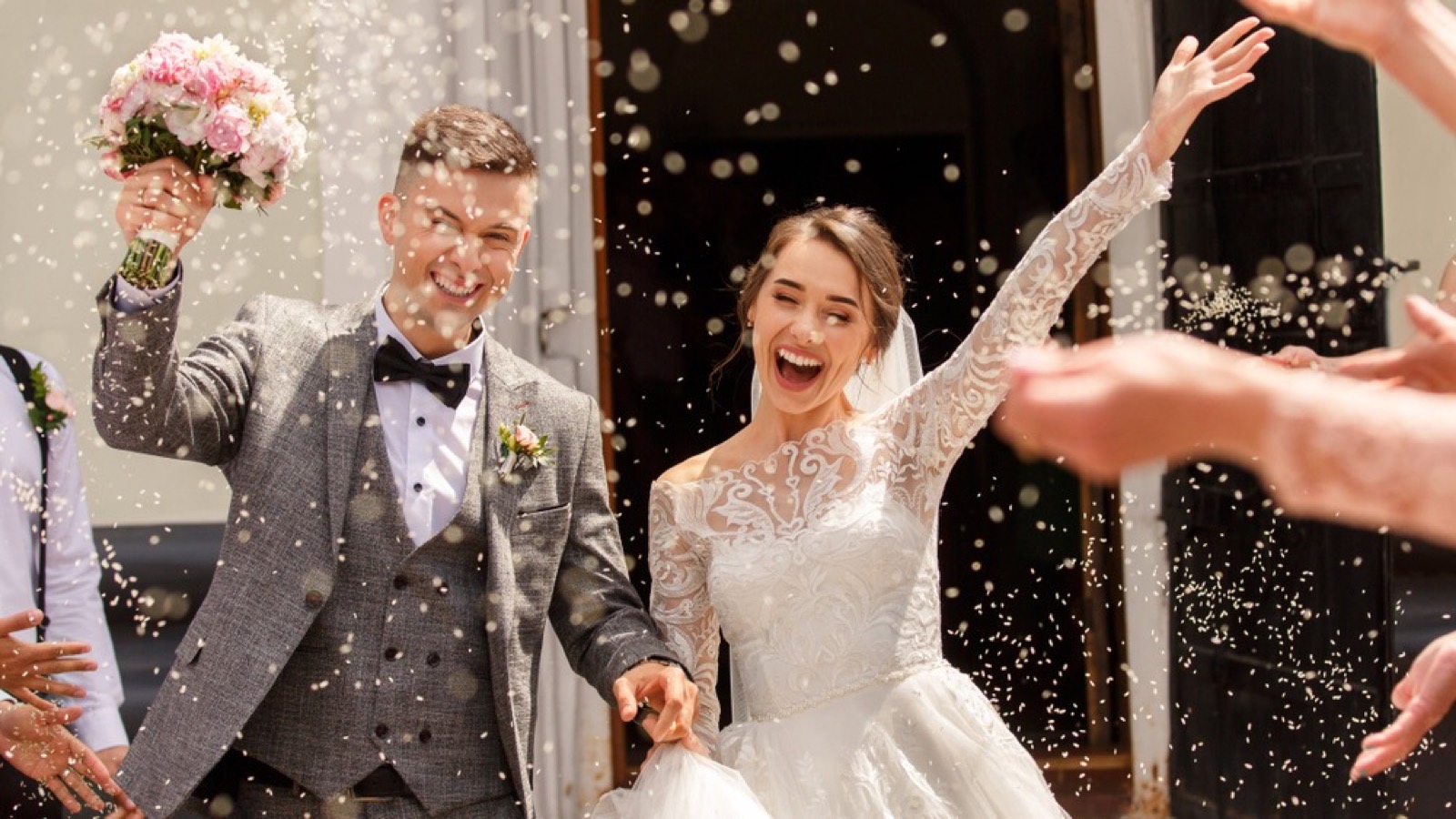
As couples left the church, guests often showered them with rice. It was meant to wish them luck, prosperity and a fruitful marriage. Some guests tossed confetti or birdseed instead, but rice was by far the most common choice in the 1970s.
Many churches and venues later banned rice because it was messy and slippery on the steps. Today couples are more likely to exit through bubbles, sparklers, flower petals or ribbon wands. Boomer brides still remember picking rice out of their hair for hours after the wedding.
7. A Homemade Wedding Cake
Many 1970s wedding cakes were made by a relative, a neighbor or a woman from church known for her baking. They were often white cakes with white frosting, decorated with simple piping and topped with a plastic bride and groom figurine. Some featured fountains between the tiers or columns that held the layers apart.
Modern couples often order custom cakes from bakeries or choose alternatives like cupcakes, pies or doughnut walls. Boomer brides remember the love that went into those homemade cakes, and some families still have the cake topper tucked away in a box. That cake often meant more than any designer creation could.
8. Guest Books and Wedding Showers Run by Church Ladies
Before the wedding, brides were often celebrated with showers hosted by church women, neighbors or relatives. Guests brought practical gifts like towels, dishes and kitchen gadgets, and the bride opened each one while someone wrote down who gave what. At the wedding itself, a guest book sat on a table near the door so every attendee could sign their name.
Bridal showers still happen, but they’re often more themed, and many couples now rely on online registries. Guest books have also changed, with some couples choosing photo booths or signed artwork instead. Boomer brides often treasure their guest books as a record of everyone who shared their day.
9. Going-Away Outfits
After the reception, many 1970s brides changed out of their gowns and into a stylish “going-away outfit” before leaving for the honeymoon. This might be a smart pantsuit, a pretty dress or a coordinated skirt and jacket. The couple would leave together as guests waved goodbye, often in a car decorated with cans and “Just Married” signs.
Today most couples stay until the end of the reception and leave in their wedding clothes, or skip the formal exit entirely. Boomer brides remember choosing that outfit carefully, since it was the first thing they wore as a married woman. Some still keep it in the back of the closet for sentimental reasons.
Why These Traditions Still Matter
The weddings of the 1970s were often simpler and less expensive, but they were full of meaning. Families and friends played a big role in making them happen, and the focus was on the couple’s commitment rather than an expensive production. Many boomer brides say those modest celebrations set the tone for marriages built on practicality and shared effort.
As wedding costs climb, some younger couples are bringing back small, simple receptions inspired by their parents and grandparents. Looking at those 1970s photos, with the pastel dresses and ruffled tuxedos, reminds everyone that a wedding doesn’t have to be extravagant to be unforgettable.