10 Countries You Should Know About That Are Heavily Dependent on Crude Oil
Crude oil remains a major driver of the global economy, but some countries are consuming it at dangerously high rates. As energy demand grows and environmental concerns escalate, the top oil-consuming nations are digging deeper into unsustainable practices. Here’s a breakdown of the 10 countries whose oil consumption is staggering, and why it’s a dangerous trend that needs immediate attention.
United States
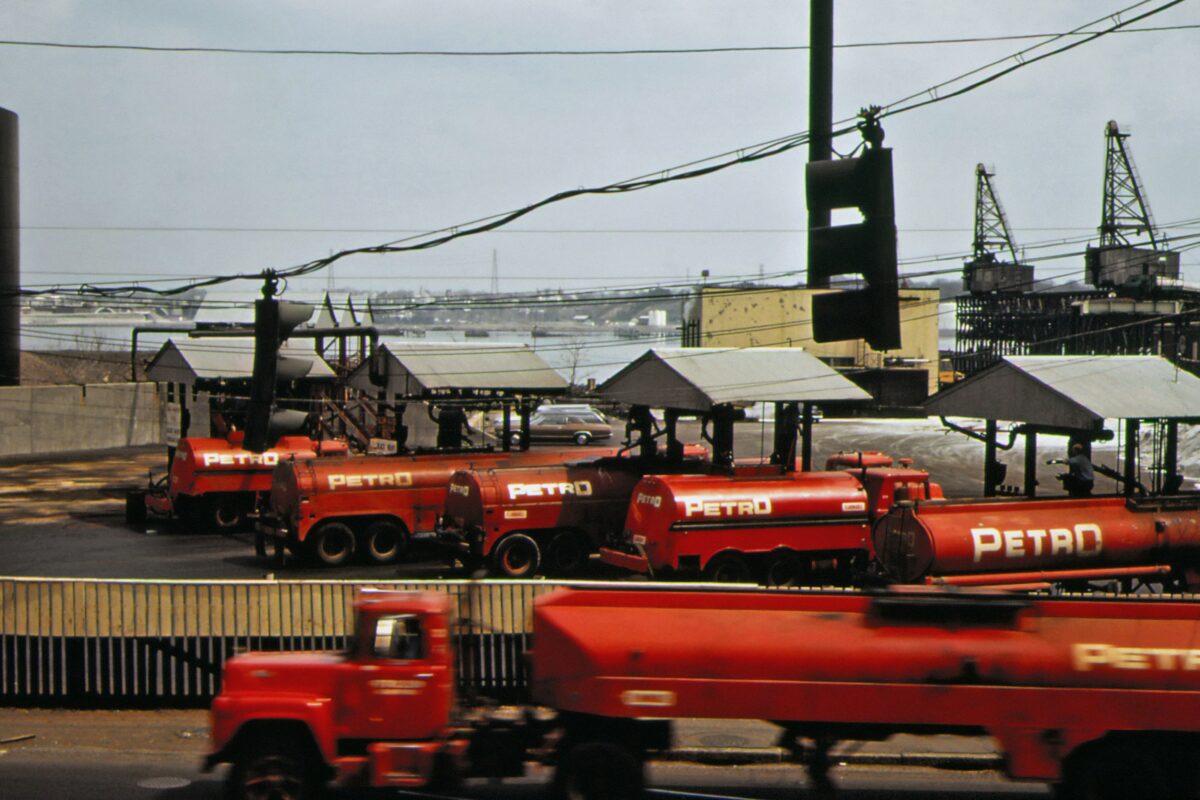
The U.S. remains the world’s largest crude oil consumer, with daily consumption exceeding 20 million barrels. This massive demand is fueled by a vast transportation network, high industrial output, and a growing consumer culture. However, this relentless consumption is unsustainable, making the U.S. vulnerable to oil price volatility and contributing significantly to global emissions.
China
China, the world’s second-largest oil consumer, has seen its crude oil consumption skyrocket due to industrialization, urbanization, and a growing middle class. As the country continues its rapid economic expansion, its oil needs will only grow, further cementing its dependence on fossil fuels and limiting its ability to pivot toward renewable alternatives in the short term.
India
India is quickly becoming one of the world’s largest consumers of crude oil. The country’s burgeoning industrial sector and growing population have led to a significant rise in energy demand. India’s oil consumption is expected to increase sharply in the coming years, making it increasingly reliant on imports and potentially jeopardizing its energy security and climate targets.
Japan
Japan, despite its technological prowess and efforts to reduce its dependence on fossil fuels, remains one of the world’s top oil consumers. The country’s extensive reliance on oil for transportation and electricity generation places a heavy strain on its energy resources, even as it pushes toward nuclear and renewable energy alternatives.
Russia
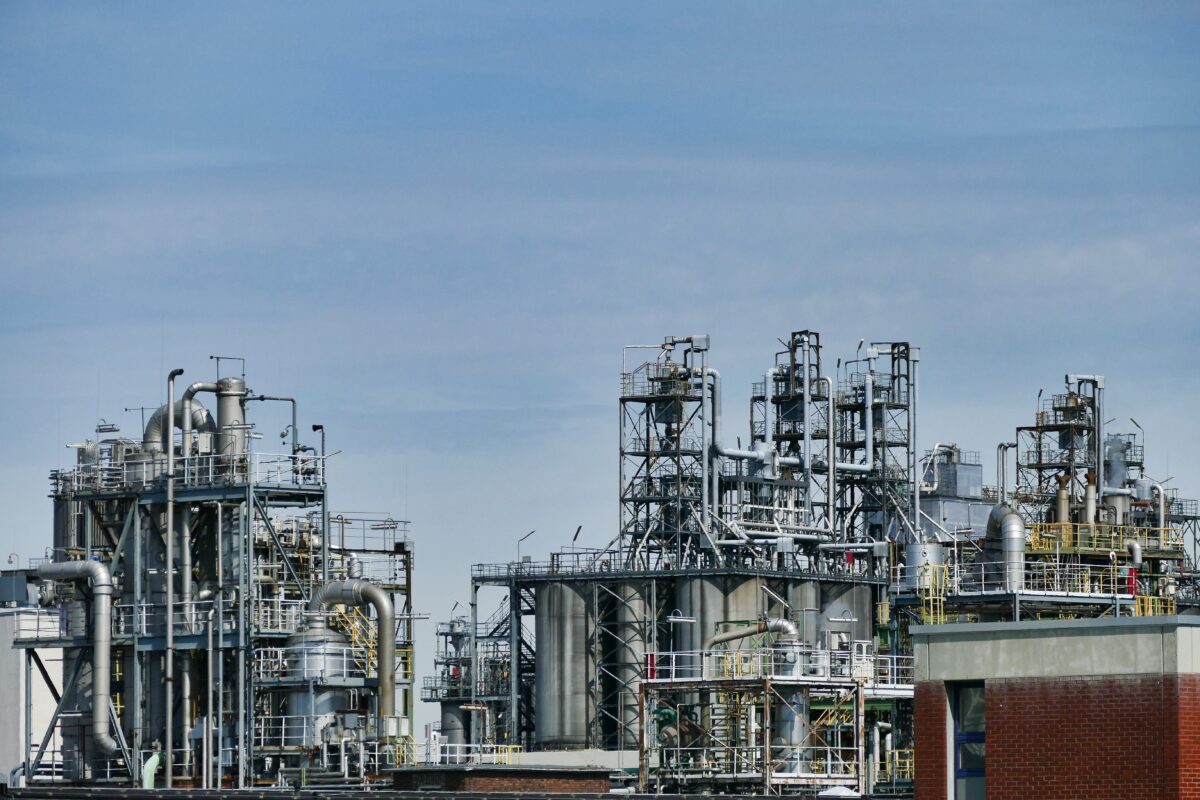
Russia, while a major oil exporter, also consumes a significant amount of crude domestically. With vast energy needs driven by a cold climate and extensive infrastructure, Russia’s domestic oil demand remains high. This creates a paradox: much of its oil production is geared toward global markets, despite its domestic needs.
Saudi Arabia
Despite being the world’s largest oil exporter, Saudi Arabia’s domestic consumption of crude oil is one of the highest globally. The country’s massive energy needs, coupled with subsidies that encourage excessive consumption, have led to a growing reliance on oil for electricity and desalination plants. These trends could delay Saudi Arabia’s transition to renewable energy sources.
South Korea
South Korea’s industrial landscape is oil-dependent, with major consumption tied to the manufacturing and technology sectors. As the country continues to innovate and expand its industries, oil demand remains a critical component of its economy, which hinders efforts to reduce reliance on fossil fuels and embrace greener alternatives.
Germany
Germany, Europe’s economic engine, remains one of the top oil consumers, despite efforts to shift toward renewable energy. The country’s heavy reliance on oil for transportation, chemical production, and industrial activities contributes significantly to its carbon footprint. While there are moves to reduce emissions, oil consumption continues to dominate in key sectors.
Brazil
As Brazil’s economy grows, so does its demand for crude oil. The country’s expanding transportation sector and increased industrial activity are major contributors to rising oil consumption. Despite efforts to invest in biofuels and alternative energy, Brazil’s oil dependency poses a challenge to achieving sustainable development goals and reducing environmental impact.
Canada
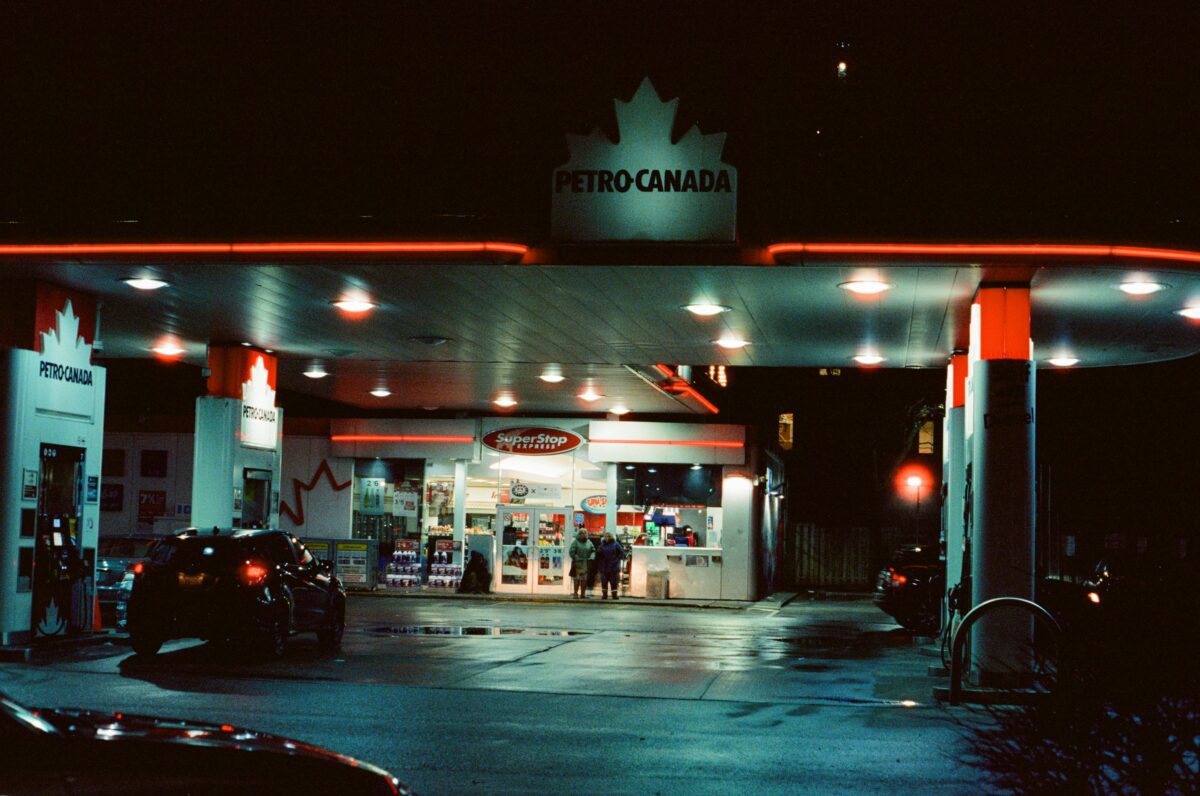
Canada’s vast oil sands reserves have made it one of the world’s top crude oil consumers. Despite efforts to reduce emissions and increase the use of alternative energy, Canada remains heavily reliant on oil for transportation and industrial purposes. This consumption pattern raises concerns about its long-term sustainability and environmental consequences.
Conclusion
The world’s largest oil-consuming nations are locked in a dangerous cycle of excessive dependence on crude oil. As environmental concerns intensify, it’s crucial that these countries take immediate steps to reduce their consumption and invest in renewable energy sources. The future of global energy security and environmental sustainability rests on the decisions made by these oil-hungry nations.