7 Shocking Ways Heartbreak Changes People Permanently
Heartbreak does not always look like someone crying into a pillow with sad songs playing in the background.
Sometimes it looks like a woman sitting in a Target parking lot, staring at her phone because she almost texted someone who no longer belongs in her life. Sometimes it looks like a man driving past a restaurant, suddenly punched by a memory.
Sometimes it looks like someone laughing at brunch, answering emails, paying bills, and doing laundry while quietly feeling like their whole nervous system moved into a haunted house. That is the strange cruelty of heartbreak.
Life keeps moving, even when the person going through it feels stuck in the exact moment everything fell apart.
The world expects them to eat, sleep, work, reply to texts, be normal at family gatherings, and pretend a broken relationship is just another “lesson.” But heartbreak is not always that polite. It can change the body, the brain, the mood, and the way someone trusts love again.
A breakup can affect emotional, physical, and social life, with research showing romantic breakups can disrupt psychological well-being long after the relationship ends.
Heartbreak rewires how people trust

Trust after heartbreak becomes complicated. Before the pain, someone may have believed love was mostly about chemistry, loyalty, effort, and timing. After the pain, love starts looking like a risk assessment.
Every late reply feels suspicious. Every change in tone sounds loaded. Every new person gets quietly compared to the one who lied, left, cheated, disappeared, or slowly became a stranger. That does not mean the person becomes cold. It often means they become watchful.
Heartbreak teaches people that love can feel safe and still end. That is a hard lesson to unlearn. A person may want closeness but fear dependence. They may crave affection but distrust consistency.
They may meet someone kind and still wait for the hidden catch, because their nervous system remembers what their heart is trying to move past. This is one reason heartbreak can shape future relationships.
Romantic loss is linked with distress across emotional and social domains, and those effects can make people more cautious about vulnerability. Breakups can leave people dealing with emotional and social pain that changes how they approach love afterward.
The sad part is that trust issues often look like an attitude from the outside. Inside, they are usually self-protection. Someone who says, “I’m not ready,” may really mean, “I do not know how to feel safe yet.”
Heartbreak makes the body react as if love were a physical injury.
People call it a broken heart for a reason. Heartbreak can sit in the chest. It can twist the stomach. It can steal appetite, disturb sleep, trigger headaches, tighten muscles, and make normal tasks feel strangely heavy.
The body may act like something physical has happened, even though no bone is broken and no bruise is visible. That is what makes it so confusing.
A person may tell themselves, “It was just a breakup,” while their body behaves like it survived an emotional car crash. They may wake up with a racing heart, feel nauseated after seeing an old photo, or lose interest in food because grief has taken over the room where appetite used to live.
The body’s reaction is not fake or dramatic. Emotional pain can activate systems tied to stress, and grief can produce real physical symptoms. Guidance on grief notes that loss can cause physical and emotional exhaustion, along with changes in appetite, sleep, and body pain.
In rare cases, intense emotional stress can even affect the heart directly. Broken heart syndrome is a real condition that can happen after severe emotional or physical stress and may mimic a heart attack.
Most heartbreak does not become a medical emergency. Still, the body keeps score in ways people should not dismiss.
Heartbreak changes how people sleep.

Sleep is one of the first things heartbreak steals. The bed becomes too quiet. The phone becomes too tempting. The old routine feels cruel.
The side of the bed, the nighttime texts, the shared playlists, the inside jokes before sleep, and the missing goodnight message all turn into little reminders that someone is gone. That is why heartbreak can make nights feel longer than days.
Some people cannot fall asleep because their minds keep replaying the ending. Others wake up too early, feeling a heavy weight in the chest. Some sleep too much because unconsciousness feels easier than wakefulness. Others bounce between exhaustion and restlessness, too tired to function but too wired to rest.
That matters because sleep is not an optional emotional decoration. It helps regulate mood, stress, memory, and physical recovery. Adults generally need seven hours or more each night, and heartbreak can make that basic requirement feel impossible.
Poor sleep also makes heartbreak worse. A tired brain has less patience, less emotional control, and less ability to resist texting the person who already showed they cannot be trusted.
That is how one bad night turns into another bad decision, and another, until healing starts to feel further away. Heartbreak not only hurts the heart. It hijacks the bedroom.
Heartbreak turns memory into a trap.
One of the cruelest things about heartbreak is that the mind does not replay the relationship fairly. It plays the song from the first date. The joke in the grocery store. The way they looked at you across a crowded room. The vacation photo. The sweatshirt. The old voice note.
The text you should have deleted, but somehow still have. It shows the sweet parts first, then quietly hides the reasons things fell apart. That is why moving on can feel like arguing with your own brain.
The person may know the relationship was unhealthy, unavailable, dishonest, one-sided, or dead long before it officially ended. Still, memory can keep dragging them back to the version that felt magical. This is especially painful because the brain often revisits emotional memories without asking permission.
Breakup distress has been linked with intrusive thoughts and memories, and one study found that intrusive thoughts contributed meaningfully to breakup distress. That explains why people can feel haunted by a relationship they are trying to escape.
The worst part is that memory can make the past look cleaner than it was. Suddenly, the fights shrink. The loneliness fades. The red flags become “complicated.” The mind edits the relationship like a movie trailer, showing the best scenes and leaving out the damage.
Healing often begins when someone stops trusting every memory as evidence that they should go back.
Heartbreak changes appetite and daily routines.

A breakup can turn ordinary routines into emotional landmines. Breakfast feels pointless. The gym feels impossible. The coffee shop hurts because you used to go there together. The grocery store feels weird because you no longer need to buy their favorite cereal.
Even the drive home feels different because the person you would normally call is no longer the person you are allowed to call. That is how heartbreak changes appetite and routine.
Some people stop eating because their stomach feels locked. Others eat for comfort because food becomes the only thing that briefly softens the ache. Some clean obsessively.
Others let the laundry pile up. Some throw themselves into work. Others stare at emails like the words are written underwater. This is not a weakness. It is a disruption.
A relationship often structures daily life. When it ends, the structure collapses. The brain has to rebuild normal around a missing person, and that takes time. Breakups can affect emotional, physical, and social functioning.
That is why heartbreak can feel permanent even when it is not. It touches the smallest parts of the day. The toothbrush cup. The dinner plan. The weekend routine. The empty passenger seat. Healing requires rebuilding rituals that belong only to the person who stayed.
Heartbreak can make people addicted to closure.
Closure sounds healthy. Sometimes it becomes a trap. After heartbreak, people want answers. Why did they change? Was any of it real? Did they ever love me? Are they happier now? Did I miss the signs? Was there someone else? If I could have one honest conversation, would I finally be free? That hunger can keep people stuck.
They reread messages. Check social media. Ask mutual friends. Draft long texts. Imagine confrontations. Search for hidden meanings in posts that may not be about them. The mind wants a final explanation clean enough to stop the pain. But heartbreak rarely gives clean endings.
Sometimes the person who hurt you cannot explain themselves. Sometimes they will lie. Sometimes they will say something that opens a new wound. Sometimes, the closure you want from them is really the power you must take back from the story.
Breakup distress can involve obsessive thinking, avoidance, and hyperarousal, with research examining how intrusive thoughts and hyperarousal predict distress after romantic loss.
That explains why closure can become addictive. The brain keeps chasing one more answer, but the answer rarely feels like enough. At some point, healing asks for something harder: accepting an ending that still has missing pieces.
Heartbreak changes what people will tolerate next time.
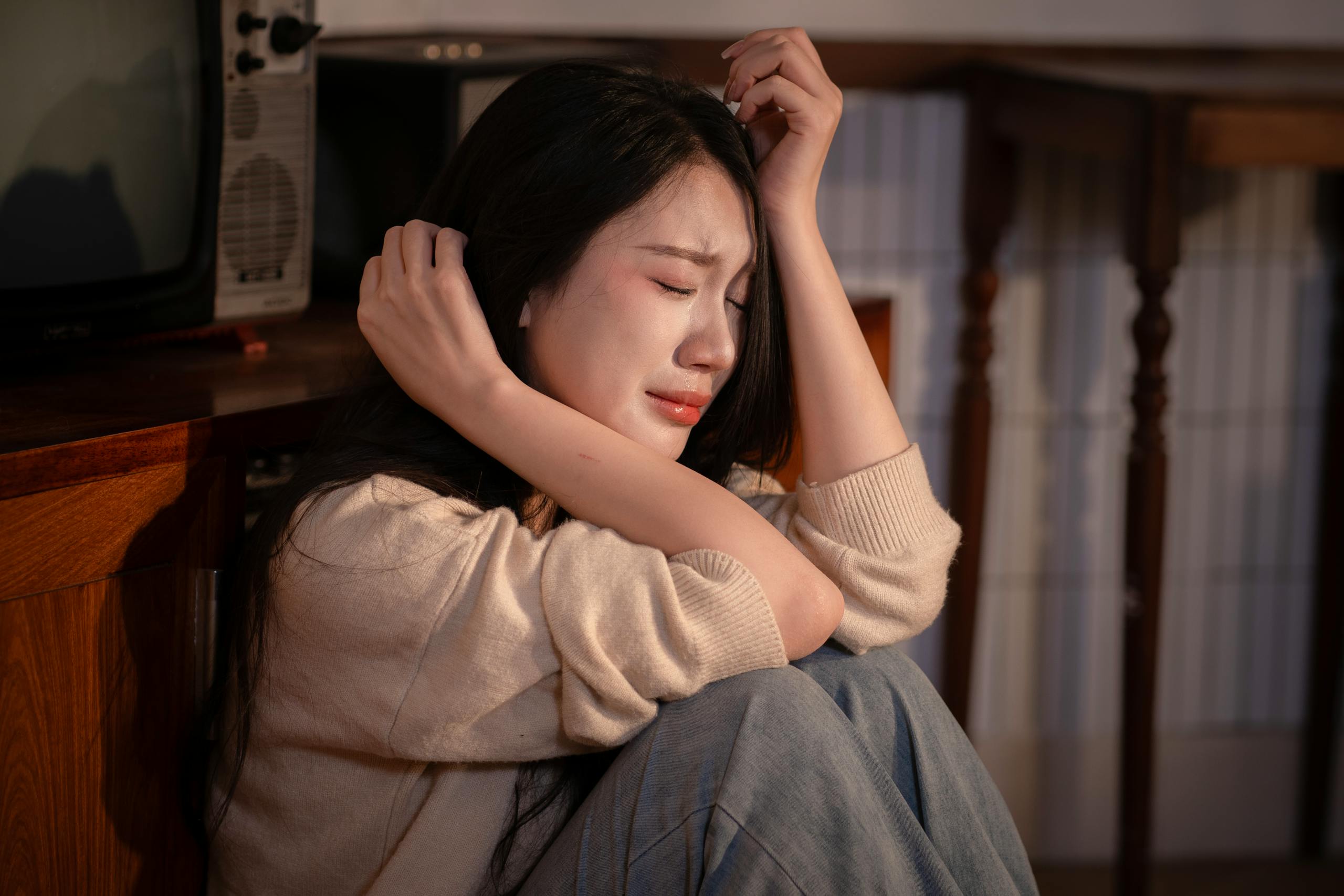
This is the part of heartbreak that can become permanent in a good way. After the crying, the anger, the sleepless nights, the embarrassing texts, the sad playlists, the overthinking, and the slow rebuilding, many people come out different. Not untouched. Different.
They recognize patterns faster. They notice emotional unavailability earlier. They stop romanticizing inconsistency. They learn that chemistry without respect is just chaos with good lighting. They understand that begging for basic effort is not love. They become less impressed by charm and more interested in peace.
That does not mean heartbreak automatically makes people wiser. Some become harder, more guarded, or more afraid. Others repeat the same pattern because pain feels familiar. But when someone does the work, heartbreak can become a brutal education.
Research on romantic breakups has explored distress and potential growth, showing that breakup experiences can involve both suffering and changes in how people process themselves and relationships. In other words, heartbreak can leave people wounded, but it can also push them toward personal growth after a breakup.
That is the strange gift buried inside the wreckage. Some people lose a relationship and finally find their standards.
How can people heal without pretending it did not hurt
Healing from heartbreak does not require acting unbothered. That is a performance, not recovery.
Real healing may involve crying, sleeping badly for a while, deleting photos, blocking the person, going to therapy, leaning on friends, rebuilding routines, moving your body, eating even when food tastes like cardboard, and accepting that missing someone does not always mean they belong back in your life.
It also means taking the body seriously. If heartbreak brings chest pain, panic symptoms, severe depression, thoughts of self-harm, inability to function, or dangerous coping habits, getting support is not a weakness. It is survival.
Heartbreak is common, but that does not make it any less painful. A relationship can end in one conversation. The body and brain may take much longer to catch up.
Conclusion

Heartbreak changes people permanently because love is not just an emotion. It becomes routine, identity, memory, chemistry, safety, future planning, and nervous-system habit. When it ends, the loss does not stay neatly inside the heart.
It moves through sleep, appetite, trust, memory, confidence, routine, and the way someone walks toward love again.
A breakup can make people guarded. It can make them wiser. It can make them tired. It can make them quieter. It can teach them what they ignored, what they need, what they will never tolerate again, and what kind of love no longer feels worth the cost.
The pain may not last forever in the same sharp way. But it often leaves fingerprints. Sometimes those fingerprints become fear. Sometimes they become standards. Sometimes they become the beginning of a person finally choosing themselves.