8 common foods that are illegal to grow at home
Home gardening promises fresh, organic produce, personal satisfaction, and sustainable living, yet not all plants are safe or legal to cultivate in your backyard. Some seemingly harmless crops carry inherent risks, ranging from toxicity to invasiveness, while others are tightly regulated under federal and state law.
Ignoring these restrictions can lead to serious consequences, including fines, criminal charges, or even long-term imprisonment. Aspiring gardeners often focus on popular, exotic, or high-yielding plants, but it is essential to recognize the legal and health boundaries that accompany these choices.
Coca Plants
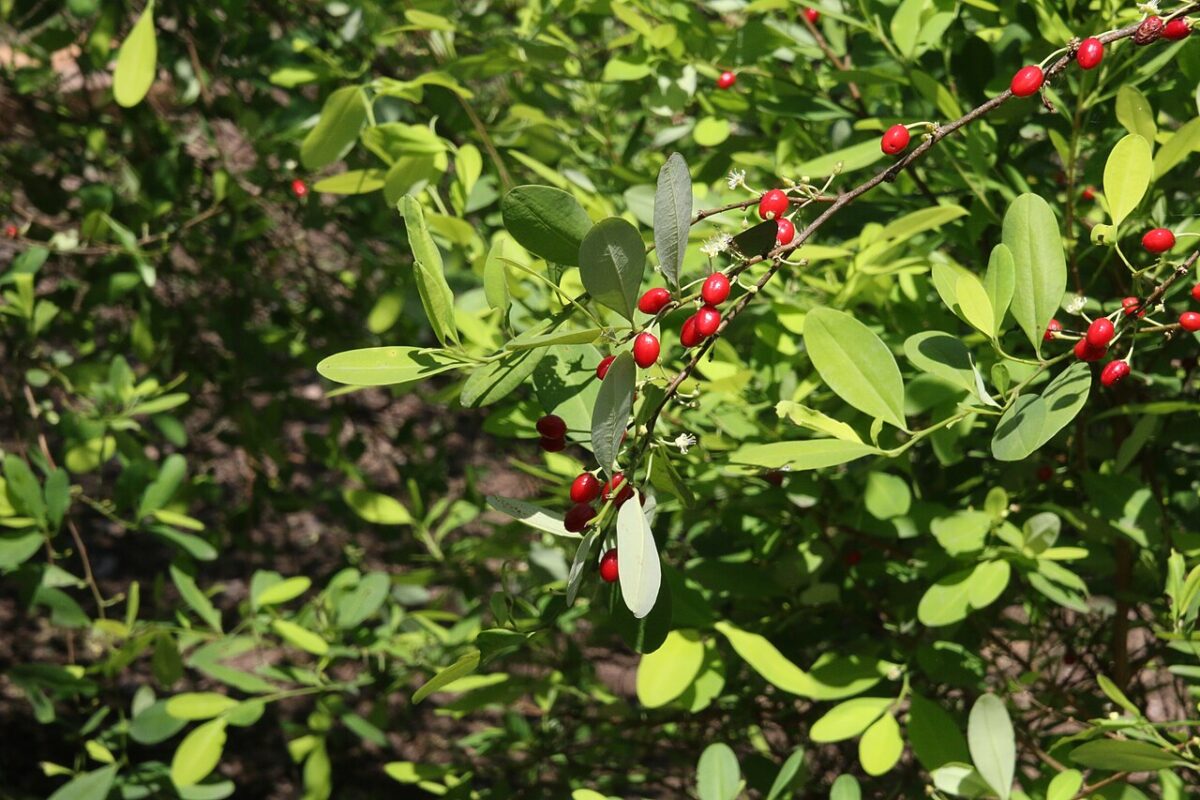
The coca plant is a powerful example of a garden plant with severe legal consequences. While it may appear harmless and even ornamental, it contains alkaloids that are the essential precursors to cocaine production.
Under federal law, cultivating coca is classified as manufacturing a Schedule II controlled substance. Violating this can result in multi-year prison sentences, heavy fines, and a criminal record that may affect future employment and personal life.
Beyond the legal risks, coca plants contain potent biochemical compounds that can affect the human nervous system if mishandled. Even minor contact with concentrated plant material poses risks, including accidental ingestion or respiratory irritation from leaves or powdered extracts.
Magic Mushrooms
Psilocybin mushrooms, commonly called magic mushrooms, are illegal to grow in all U.S. states. These fungi are classified as Schedule I substances due to their hallucinogenic and psychotropic properties.
Home cultivation is considered manufacturing a controlled substance and can result in 20 years’ imprisonment and fines of up to $1,000,000. Despite popular culture portrayals in films and social media, growing these mushrooms is extremely dangerous, both legally and health-wise. Many gardeners underestimate the risk posed by spores, which are often easy to acquire but illegal to germinate for consumption.
The mushrooms also present a high risk of accidental poisoning. Misidentifying species or improper handling can lead to severe psychotropic reactions, organ damage, or even death. Safe alternatives include edible fungi such as oyster, shiitake, and maitake mushrooms, which are easy to cultivate at home, rich in flavor and nutrition, and free from legal complications.
Rhubarb Leaves
Rhubarb is widely grown for its tart stalks, but the leaves are highly toxic. They contain oxalic acid and anthraquinone glycosides, which can lead to kidney failure or death if ingested. Many states regulate rhubarb cultivation to minimize accidental poisoning, and failure to comply can result in fines or mandatory removal of the plants.
Even with careful attention, children and pets are at risk because rhubarb leaves can be mistaken for other ingredients and end up in smoothies, compost, or garden debris. Gardeners should cultivate only rhubarb stalks and safely discard the leaves.
By recognizing the toxic properties of rhubarb foliage and adhering to legal guidelines, gardeners protect both themselves and the local community. Safe fruiting plants like strawberries, blueberries, or tomatoes can provide similar culinary versatility without posing severe health risks or legal entanglements.
Bitter Almonds
Bitter almonds are another deceptive home garden hazard. Unlike sweet almonds, they contain amygdalin, which metabolizes into cyanide upon ingestion. Even small quantities can be fatal for humans, and children are especially vulnerable. Federal regulations prohibit growing bitter almonds for human consumption to prevent accidental poisoning. Ignorance of these restrictions can lead to severe legal penalties and health emergencies.
The seeds are extremely potent and require specialized processing to render them safe, which is beyond the scope of typical home gardening. Safe alternatives include sweet almond trees, which provide edible nuts without the risk of cyanide and are fully legal to cultivate.
Kratom
Kratom trees, native to Southeast Asia, contain alkaloids with opioid-like effects, making them heavily regulated. While legal in some states, home cultivation is often restricted by many municipalities, which may require special licenses or prohibit it entirely. Unauthorized cultivation exposes gardeners to legal fines, plant seizure, and, in some cases, criminal charges.
Beyond legality, kratom presents health risks, including dependency, sedation, and interaction with other medications. Home gardeners are better served by choosing medicinal or culinary herbs with no legal or physiological risks.
Hemp
Hemp’s legal status is complex. Federally legalized under the 2018 Farm Bill, if THC is below 0.3%, hemp cultivation still requires compliance with state regulations. Unauthorized growth can result in fines, crop destruction, or license revocation. Many states mandate testing, reporting, and certification to monitor THC levels.
Despite the federal allowance, hemp is a monitored crop due to its potential to produce psychoactive cannabinoids if improperly cultivated. Home gardeners without licenses risk violating federal and state laws. Legal alternatives for fiber and seed production, such as flax or sunflower, provide similar benefits while avoiding regulatory complications.
Garlic Mustard
Garlic mustard is considered a noxious, invasive weed in many U.S. states. Its allelopathic properties release chemicals into the soil, killing nearby plants and creating ecological dead zones. Home cultivation is illegal in several regions, and property owners may be held responsible for damage caused by its spread.
The plant reproduces prolifically and is difficult to eradicate once established. Gardeners should focus on native culinary herbs such as basil, parsley, and thyme to prevent ecological harm and avoid fines. By planting non-invasive species, gardeners maintain biodiversity and comply with environmental protection laws.
Asiatic Bittersweet
Asiatic bittersweet is an invasive vine that smothers native trees and shrubs. Many states prohibit planting it, and intentional cultivation can result in fines up to $10,000 depending on the extent of environmental damage.
Its rapid growth and dominance make it impossible to contain without significant effort. Gardeners seeking ornamental vines can turn to native, non-invasive species like honeysuckle or clematis to achieve similar aesthetics without harming local ecosystems.