8 Painful Ways Political Differences Are Dividing American Families
Politics used to be the thing families argued about for ten minutes before someone changed the subject to football, food, or who forgot to bring dessert. Now, for many Americans, politics walks into the room before anyone even sits down. It lives in group chats, Facebook comments, Thanksgiving seating plans, wedding guest lists, and those tense little pauses after someone says, “Did you see the news?”
The divide is no longer only about Democrats and Republicans. It is about trust, identity, morality, media, religion, race, immigration, gender, and what people believe America should become.
A 2026 PNAS Nexus study found that 37% of Americans reported losing a relationship due to political differences, with family members among those affected. That is not just polarization on a cable news panel. That is a brother left unread, a parent blocked, a cousin quietly removed from the invitation list.
Politics Has Become Personal Identity
The deepest family fights often start because politics no longer feels like a simple opinion. For many Americans, a vote now feels like a moral confession. People do not just hear, “I support this candidate.” They hear, “This is what I think about people like you.”
That shift makes compromise harder. Pew Research Center found that Republicans and Democrats increasingly describe people in the other party as immoral, dishonest, closed-minded, or unintelligent.
Once a political difference becomes a judgment of character, family arguments stop sounding like disagreements and start feeling like rejection.
Family Dinners Feel Like Emotional Minefield
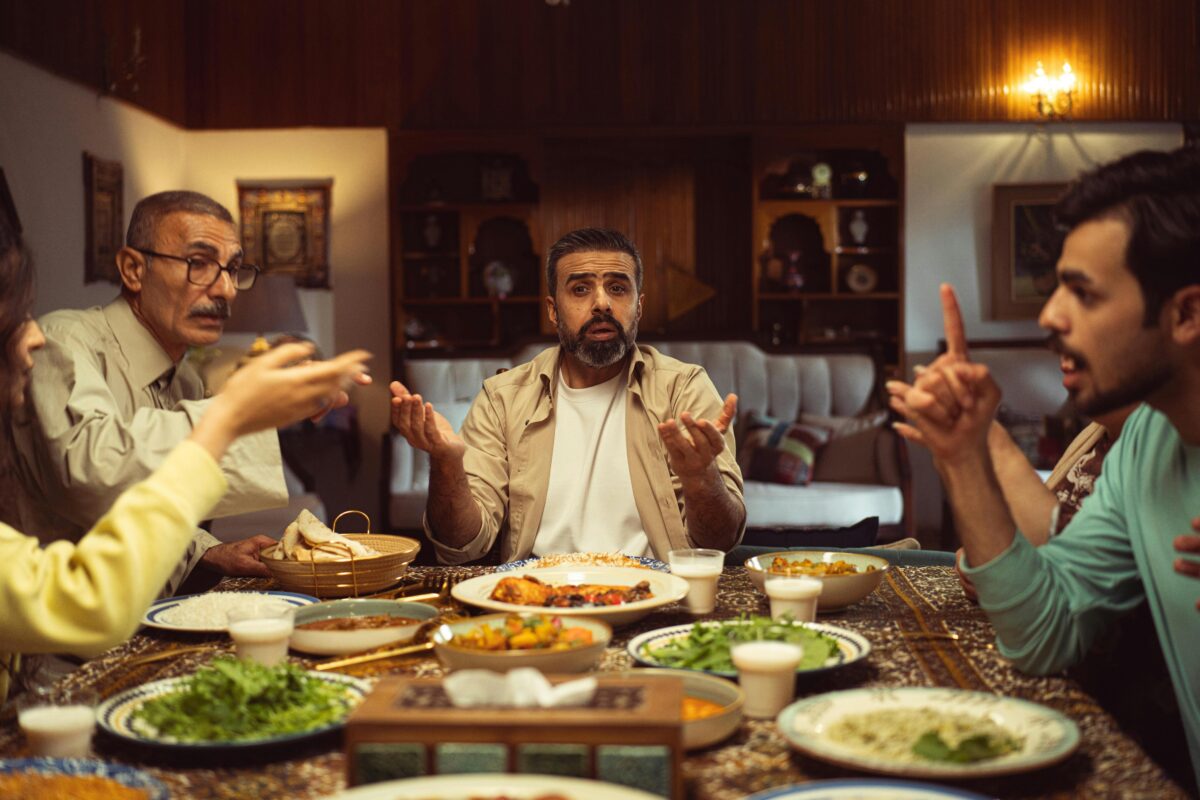
A holiday table can hold turkey, pie, and twenty years of unresolved family tension. Add politics, and suddenly one careless comment can light up the whole room. Many families now walk into gatherings with invisible rules: do not mention Trump, do not mention abortion, do not mention immigration, do not mention guns, do not mention the Supreme Court.
The American Psychiatric Association reported in 2024 that 31% of Americans expected a heated political discussion with family during the election season. The same survey found that 41% had argued with a family member about a controversial issue, and 19% had skipped a family event because of such disagreements.
That is how politics quietly changes family life. People still love each other, but they begin choosing peace over presence.
Candidate Worship Makes Family Fights Harder
Political loyalty becomes more dangerous within families when candidates become identity symbols. For some voters, Donald Trump represents rebellion against elites, distrust of the media, border control, and a blunt style they find refreshing. For others, he represents democratic danger, cruelty, chaos, and a version of America they fear.
The same pattern exists around Democratic figures, too, though Trump remains the clearest lightning rod of the current era. Once a politician becomes a symbol of someone’s values, criticizing that politician can feel like criticizing the person who supports them. That is why a simple comment about an election can suddenly sound like a personal attack.
Some Families Are Choosing Silence Over Honesty

Many Americans have learned to survive family politics by saying less. They smile through comments they hate. They change the topic before it explodes. They send shorter replies in the family chat because one sentence can turn into a three-day argument.
That silence can keep the peace, but it also creates distance. AP-NORC found in late 2024 that 65% of adults felt the need to limit their media consumption about government and politics due to fatigue, information overload, or similar reasons. When people are exhausted by politics outside the home, they often have even less patience for it inside the home.
Social Media Turns Private Disputes Public
Families once argued in kitchens, cars, and living rooms. Now they argue under posts where neighbors, coworkers, and strangers can watch. A father shares one meme. A daughter responds with a fact-check. An uncle jumps in with a paragraph. By midnight, the whole family has chosen sides.
The problem is not only the argument itself. It is the audience. Social media rewards people for sounding certain, sharp, and morally superior.
That makes it harder to say, “I see your point,” because every comment feels like a public performance. What should have been a private disagreement becomes a family feud with screenshots.
Generational Divides Make the Tension Sharper

Many family political fights are really generational fights wearing campaign buttons. Older relatives may see the country through the lens of crime, patriotism, faith, taxes, and tradition.
Younger relatives may focus more on climate change, student debt, racial justice, gender equality, and personal freedom. Both sides often feel the other is ignoring reality.
This gap can feel especially painful between parents and adult children. The parent may hear disagreement as disrespect. The child may hear the parent’s politics as a refusal to understand their future. By the time both sides start defending themselves, the real issue has already slipped away. They are not just debating policy. They are asking, “Do you see me?”
Estrangement Is No Longer Rare
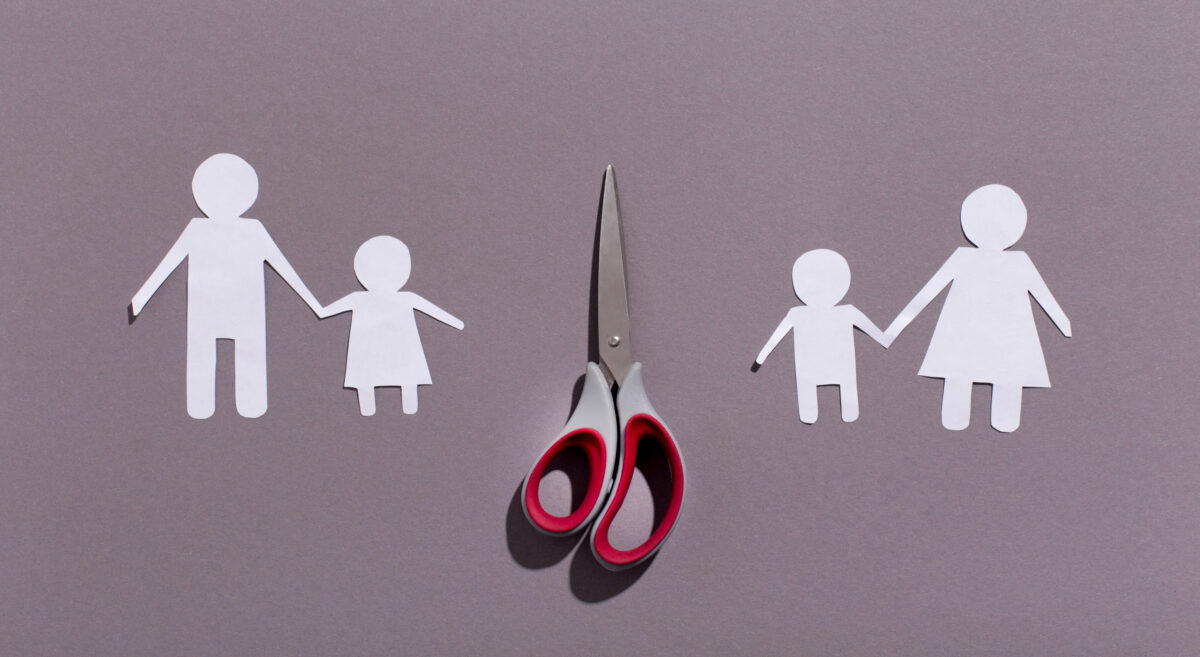
The most painful divide is not the loud argument. It is the relationship that slowly disappears. Calls become texts. Texts become reactions. Reactions become silent. Eventually, nobody announces the breakup. Everyone just stops trying.
YouGov found in August 2024 that 15% of U.S. adults said a family relationship ended because of political disagreement. The PNAS Nexus study also found that in its April 2025 survey, 40% of those who reported a political breakup said it involved a family member. These numbers reveal something raw beneath the headlines: politics is now strong enough to break bonds people once assumed were permanent.
Americans Are Losing Practice With Real Disagreement
A healthy family can survive disagreement as long as people still believe the other person has a decent heart. The trouble begins when people assume bad motives first. A brother is no longer misinformed; he is cruel. A mother is no longer worried; she is brainwashed. A cousin is no longer passionate; she is dangerous.
The PNAS Nexus study warned that people who lost relationships over politics showed more hostility toward political opponents, especially ordinary voters on the other side. That matters because cutting people off can sometimes protect mental health, but it can also shrink the circle of people who challenge our worst assumptions. Once families stop talking, cable hosts and algorithms do the explaining instead.
Conclusion
Still, every disagreement need not become a family fracture. Some relationships need boundaries, especially when conversations become cruel, threatening, or degrading. Yet many families may also need something harder than silence and softer than surrender: the discipline to hear a loved one without turning every sentence into a verdict.
America’s family divide will not heal through one election, one apology, or one perfectly calm dinner. It will heal, if it heals at all, when people remember that winning an argument is a poor substitute for keeping a human connection alive.