10 Things You Should Never Leave on Kitchen Countertops
Your kitchen counter may look like the perfect landing spot for everything from gadgets to groceries, but clutter here is more than just an eyesore. Counters are food-prep zones, not storage shelves. Leaving the wrong items out can damage your surfaces, shorten the life of ingredients, and spread germs throughout your kitchen.
A cluttered counter makes cooking harder and increases the risk of contamination, spoilage, and accidents. Every misplaced item from pet bowls to phones can quietly disrupt safety and hygiene. Here are 10 items that should never stay on your countertop, and smarter ways to store them.
Phones, Keys, Wallets, and Mail
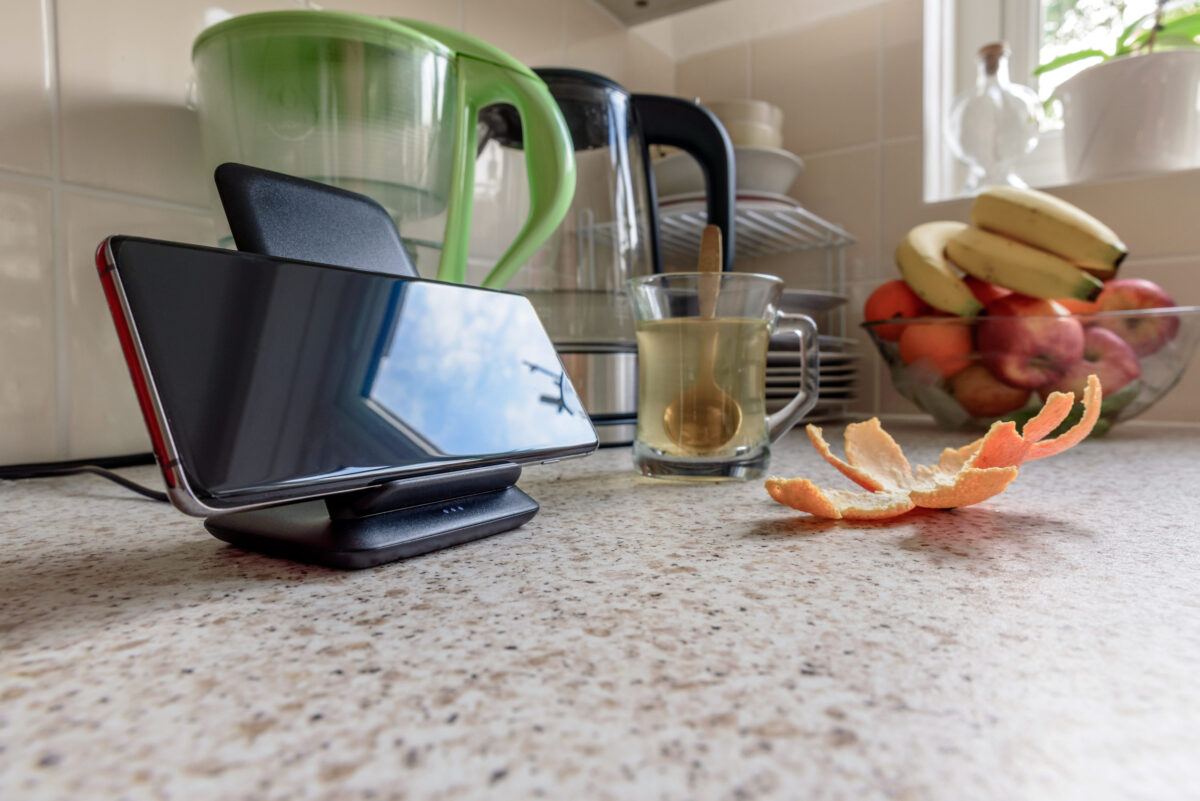
Everyday items like phones, keys, wallets, and mail carry germs from the outside world into your kitchen. When they sit on counters near food prep areas, bacteria can transfer to ingredients, cutting boards, and utensils. Create a designated landing station, such as a tray or drawer, to keep these items away from food prep zones.
This simple habit protects your family from unnecessary contamination and makes the kitchen feel less chaotic. Removing these items also frees up space for safe, clean cooking.
Raw Meat and Seafood
Raw meat, poultry, fish, and seafood should never remain on counters for longer than it takes to prep. Bacteria like Salmonella and E. coli thrive at room temperature and can easily contaminate other foods. Store raw meat on the bottom shelf of the refrigerator in a sealed container or tray to prevent drips from reaching other foods.
Separate cutting boards for raw protein and thoroughly clean hands, utensils, and counters to prevent cross-contamination. Proper, quick storage keeps your kitchen safe and free of foodborne illness.
Pet Food and Bowls
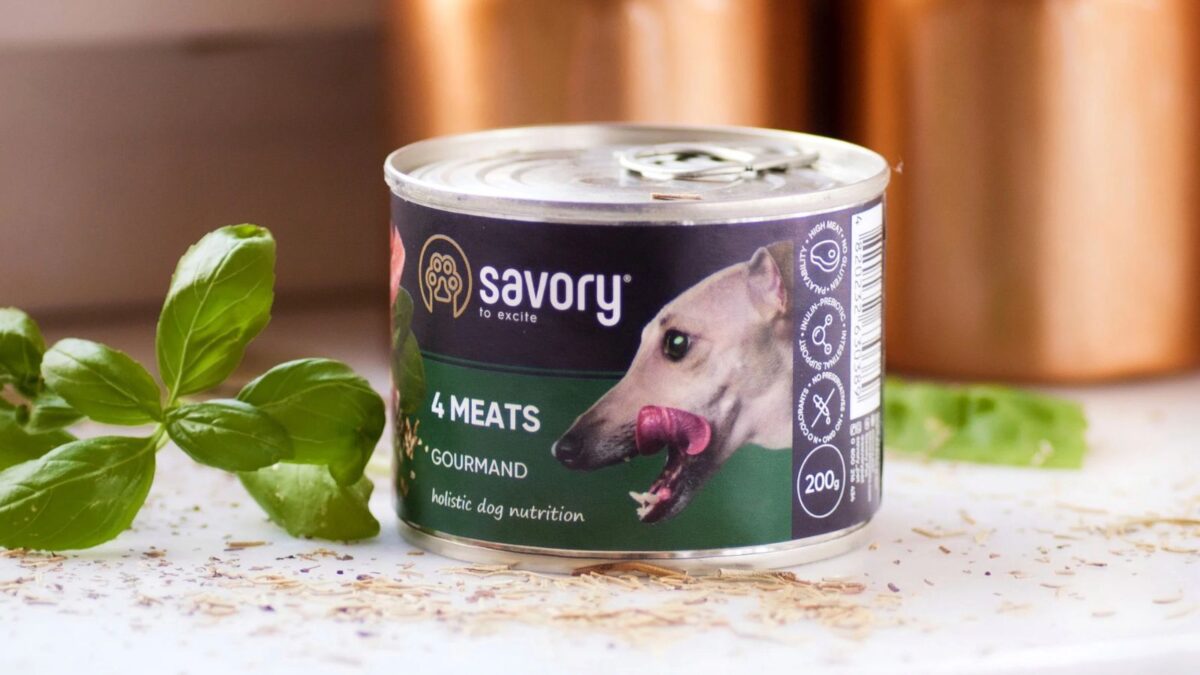
Leaving pet food or bowls on countertops invites pests and spreads bacteria. Kibble, wet food, and raw diets attract ants, roaches, and rodents, all of which can contaminate food prep areas. Feed pets at floor level and store their food in airtight containers to keep it clean and safe.
Regularly washing pet bowls in a separate sink or immediately after use prevents germs from entering your kitchen ecosystem. Dedicated zones for pets ensure safety for both pets and humans.
Spices and Dried Herbs
A spice rack may look stylish, but heat, light, and air degrade flavor and aroma. Storing spices near stoves or windows diminishes their potency over time, leaving dishes flat. Keep herbs and spices in airtight containers inside a cool, dark cabinet or pantry.
This method preserves freshness, taste, and color for months, letting your favorite seasonings stay vibrant and aromatic. A small daily-use tray on the counter is fine, but the main collection should be protected from heat and light.
Perishable Fruits and Vegetables
Not all produce thrives at room temperature. Berries, leafy greens, cut fruit, and apples spoil quickly when left out, while potatoes, onions, and root vegetables do better in a cool, dark pantry. Refrigerate delicate produce in breathable containers, and place herbs in jars with water to stay crisp longer.
Countertop storage can accelerate spoilage and encourage mold. Properly storing fruits and vegetables extends freshness, reduces waste, and keeps your kitchen tidy.
Cooking Oils
Olive oil, sesame oil, and other specialty oils degrade quickly when exposed to light and heat. A bottle beside the stove may look convenient, but it can turn rancid, affecting flavor and potentially staining counters. Store oils in a cool, dark cabinet away from heat sources.
A small dispenser for everyday use is acceptable, but the main bottle should be kept protected. Proper storage ensures freshness and prevents waste while keeping your cooking safe.
Knives and Cutting Boards
Knives and cutting boards left on the counter pose safety and hygiene risks. Boards can harbor bacteria, especially after handling raw meat, while loose knives can cause injuries. Store knives in blocks, magnetic strips, or drawers, and keep cutting boards upright in racks or sanitized cabinets.
Clean boards immediately after use, and avoid leaving tools out. Safe storage prevents accidents and cross-contamination, making food prep more efficient.
Medications and Vitamins
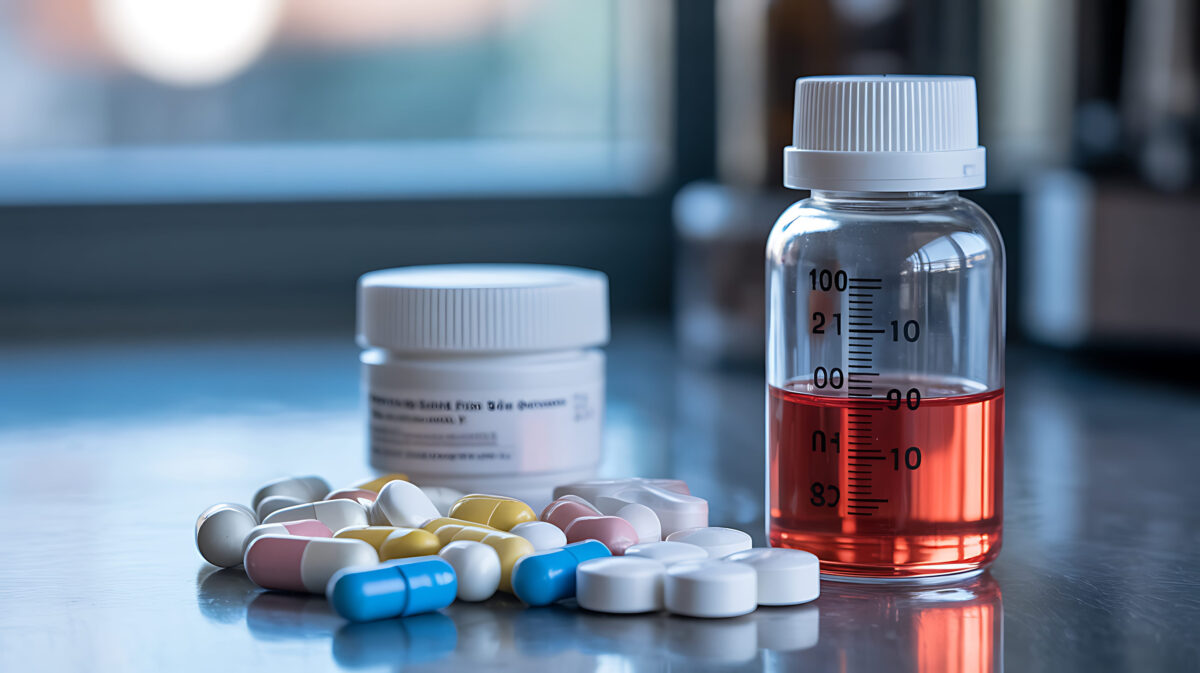
Medicine bottles and vitamin containers on the counter are exposed to heat, light, and humidity, which can reduce their effectiveness. The kitchen is particularly risky due to fluctuating temperatures near the stove or sink. Store all medications in a cool, dry cabinet away from cooking areas.
This also keeps pills out of reach of children and pets. Simple adjustments preserve potency and improve safety without sacrificing convenience.
Open Flour and Baking Mixes
Open flour, pancake mix, or other dry baking ingredients can carry E. coli and attract pests if left on counters. Unsealed containers allow contamination and make measuring messy. Transfer all baking ingredients into airtight jars or containers and store them in a pantry.
Proper storage prevents bacteria, spoilage, and insect problems. Keeping dry ingredients sealed and off counters protects both your kitchen and your recipes.
Plug-In Appliances

Appliances like blenders, air fryers, and coffee makers may stay on counters for convenience, but cords and heat-sensitive parts create hazards. Unplug items not in use and store less-frequently used appliances in cabinets or appliance garages. This prevents fire risks, reduces clutter, and makes cleaning easier.
Organizing a dedicated appliance zone keeps the kitchen functional and safer. Counters should support cooking, not hold every gadget in your home.
Conclusion
A clean, organized countertop is crucial for food safety, efficiency, and kitchen hygiene. Phones, raw meat, pet food, spices, produce, oils, knives, medications, baking mixes, and appliances all require smarter storage. Moving them to proper zones creates a safer, fresher, and more enjoyable cooking space.