
If you remember these 10 things, you are getting old. Kids today will never understand this feeling
Getting old does not always arrive with gray hair, aching knees, or suddenly choosing comfort shoes over style. Sometimes it sneaks in quietly when a song from your teenage years plays in a grocery store and you realize it is now considered “old school.” It hits harder when a child looks at something you loved and asks, “What is that?” with the same confusion people reserve for ancient museum objects.
There was a time when fun felt slower, louder, and strangely more memorable. We did not need perfect cameras, endless apps, or Wi-Fi strong enough to reach the backyard. We had scratched CDs, public payphones, handwritten notes, and TV shows that forced everyone to be home at the right time. Kids today may have more technology, but there are some feelings they may never truly understand.
Waiting All Week for One TV Episode

Before streaming turned entertainment into an endless buffet, watching TV required patience. You had to wait for your favorite show to air on a specific day, at a specific time, and missing it felt like a personal tragedy. There was no pause button, no “skip recap,” and no instant replay unless someone in the house had remembered to record it.
That waiting made television feel like an event. Families planned dinner around it. Friends discussed episodes the next morning like breaking news. Kids today can finish a whole season in one night, but they may never know the sweet torture of waiting seven days for a single cliffhanger to be resolved.
Memorizing Phone Numbers by Heart

There was a time when your brain was your contact list. You knew your best friend’s house number, your auntie’s number, your school office number, and probably the number of that one cousin who always answered the phone loudly. Calling someone meant pressing buttons with confidence, not tapping a saved name.
The funny part is that many people still remember those old numbers today. They live somewhere deep in the mind, even after decades. Kids now barely need to know their own numbers because phones remember everything for them. That convenience is great, but it also erased the quiet pride of knowing ten numbers by heart.
Making Mixtapes and Burning CDs
Music used to feel personal because it took effort. Making a mixtape meant sitting by the radio, waiting for the right song, and rushing to press record before the presenter started talking over the intro. Later, burning CDs became the new magic, complete with handwritten titles and carefully chosen track orders.
A playlist can be made in seconds today, but it does not carry the same emotional weight. A burned CD felt like a gift with fingerprints on it. It said, “I spent time choosing this for you.” Kids today may share links, but they may never understand the romance of giving someone a physical collection of songs.
Taking Photos Without Knowing How They Looked
Before smartphones, taking photos involved trust. You clicked the camera, hoped nobody blinked, and waited until the film was developed to discover whether the picture was beautiful or completely ruined. Sometimes a whole roll came back blurry, dark, or full of accidental thumb appearances.
That mystery made photos feel precious. You did not take fifty versions of the same pose. You took one or two and hoped for the best. Kids today can delete, edit, filter, and retake instantly, but they may never know the nervous joy of opening a packet of printed photos for the first time.
Rewinding VHS Tapes Before Returning Them

“Be kind, rewind” was not just a cute phrase. It was a rule. Renting a movie came with responsibility, and returning a tape without rewinding it felt rude. You would hear the loud mechanical whirring as the tape rolled backward, almost as if the machine were doing serious work.
Movie nights were more physical back then. You picked the tape, checked the cover, carried it home, watched it, rewound it, and returned it. Kids today can rent a movie without touching anything. They have comfort, but they missed the ceremony.
Using a Pencil to Fix a Cassette Tape
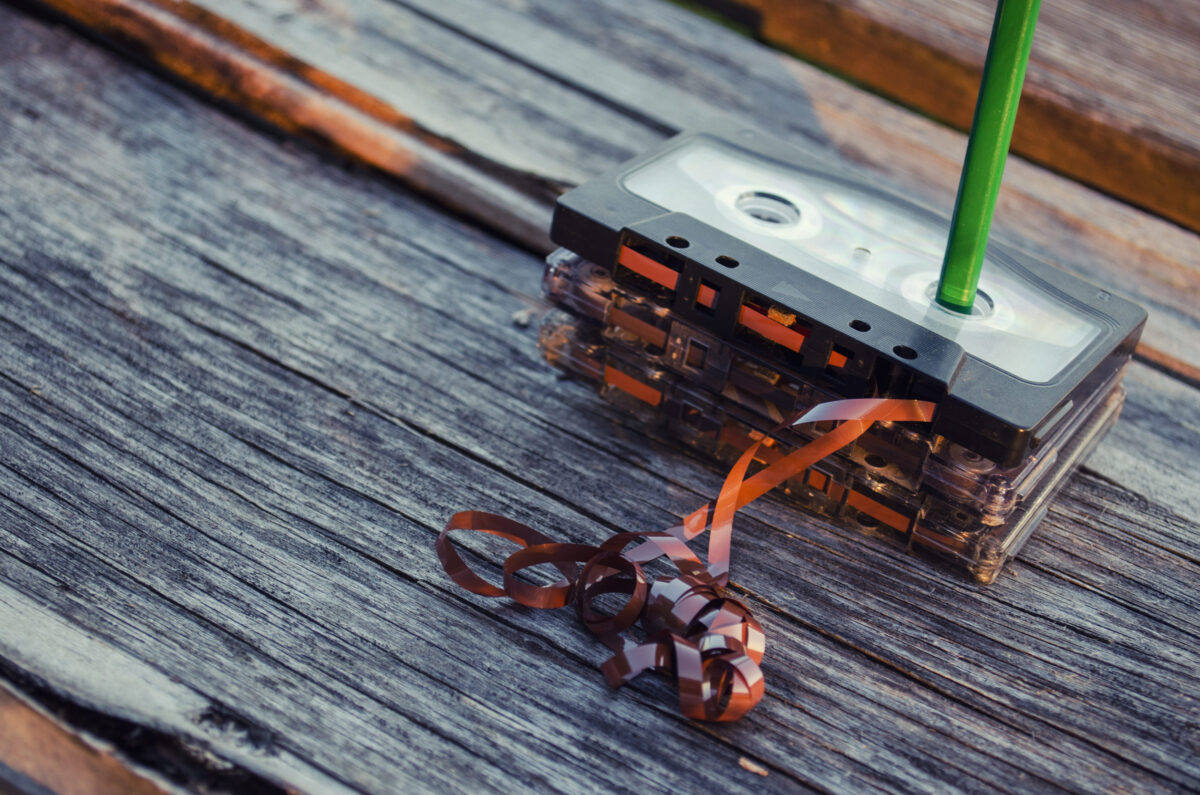
Few things tested patience like a cassette tape spilling its ribbon. One wrong movement and the music looked like it had suffered a small disaster. The solution was simple and strangely satisfying. You stuck a pencil into the cassette hole and twisted until the tape tightened again.
That small repair made you feel like a technician. You were saving your music with basic tools and determination. Kids today may never understand how something so fragile could hold your favorite songs, or how a pencil could rescue an entire afternoon.
Going Outside Until the Streetlights Came On
Childhood used to come with an outdoor clock. You played outside until the streetlights came on, and that glow meant it was time to run home before someone started calling your name. There were no location trackers, no group chats, and no constant check-ins.
The whole neighborhood felt like one big playground. You made games out of stones, sticks, bikes, old balls, and pure imagination. Kids today still play, of course, but many will never understand the wild freedom of disappearing into the neighborhood for hours and returning covered in dust like a tiny survivor.
Writing Notes in Class and Passing Them Secretly
Before texting, school gossip traveled by folded paper. Notes had codes, drawings, dramatic declarations, and urgent questions like “Do you like me? Yes or No.” Passing one across the classroom without the teacher noticing felt like a secret mission.
If the teacher caught it, the embarrassment was brutal. Sometimes they read it out loud, turning one tiny note into public humiliation. Today’s kids can message quietly under a desk, but they may never feel the panic of watching a folded note travel through five people before reaching the right hand.
Fighting With the Internet Dial-Up Sound
The old internet did not arrive silently. It screamed, crackled, beeped, and made alien noises before connecting. Worse, nobody could use the house phone while someone was online. One phone call could destroy your internet session instantly.
That sound was annoying, but it was also exciting. It meant the world was opening, slowly and noisily. Kids today complain when a video buffers for five seconds, but they may never understand waiting minutes just to load one page and still feel amazed.
Looking Up Answers Without Google
There was a time when curiosity required work. You asked adults, checked an encyclopedia, visited a library, or simply lived without knowing the answer. School projects meant flipping through books, writing notes by hand, and hoping the information was enough.
Now, answers appear in seconds. That is powerful, but it changed the feeling of discovery. Searching used to feel like a hunt. Kids today may know more quickly, but they may never understand the strange satisfaction of finding one useful paragraph after digging through three heavy books.
Conclusion
Getting old is not just about age. It is about carrying memories from a world that moved at a different speed. It is knowing what it felt like to wait, repair, rewind, memorize, and imagine without a screen doing half the work for you. Those moments may seem outdated now, but they shaped patience, creativity, and a special kind of joy.
Kids today have their own memories, and one day they will laugh about the things future generations will never understand. Still, there is something beautifully unforgettable about the old days. They were messy, slower, and sometimes inconvenient, but they gave ordinary life a texture that technology has quietly smoothed away.


