12 Foods Sitting in Your Kitchen That Experts Wish You’d Stop Buying
Most kitchens are filled with good intentions and convenience foods. A quick breakfast here, a snack there, a frozen dinner tucked in the back of the freezer these items promise efficiency and ease. But nutrition experts are raising a red flag: some of the foods most people keep stocked may be quietly undermining health, energy, and long-term wellness. They are not inherently evil, but when relied on frequently, they can create unhealthy habits, contribute to overeating, and increase exposure to sugar, sodium, unhealthy fats, and artificial additives.
The problem is that these foods often appear harmless. They are colorful, packaged attractively, and marketed as “healthy,” “fortified,” or “diet-friendly.” The subtle danger is in how often they are consumed and the nutritional trade-offs they demand. Over time, these convenience items contribute to imbalanced diets, poor gut health, higher blood sugar levels, weight gain, and even chronic inflammation. By examining what experts caution against, we can start making small but meaningful changes that improve overall nutrition while still keeping the kitchen practical and functional.
Packaged Snack Cakes and Pastries
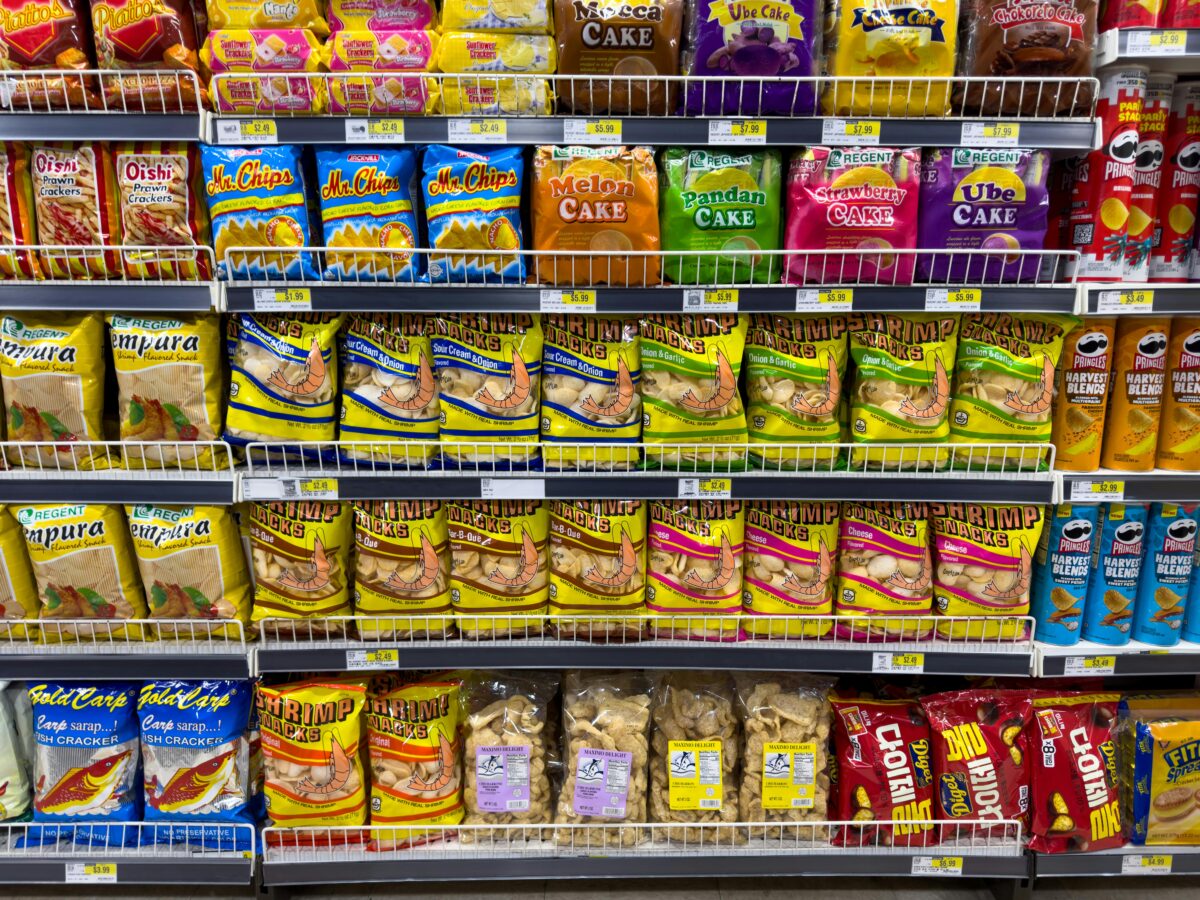
Snack cakes, prepackaged donuts, and ready-made pastries are ubiquitous in American kitchens. Their sweet aroma and convenient packaging make them irresistible, especially for busy mornings or quick desserts. Yet these items are loaded with sugar, refined flour, and hydrogenated oils, all of which can spike blood sugar, trigger cravings, and contribute to long-term weight gain and heart disease.
Beyond sugar and fat content, preservatives and artificial flavorings in packaged pastries may interfere with metabolic processes and appetite regulation. Experts recommend treating them as rare indulgences rather than staples. Swapping for fresh fruit, whole-grain baked goods, or simple energy balls allows people to satisfy sweet cravings without the negative nutritional trade-offs. By consciously limiting snack cakes, the kitchen becomes a space that supports healthy eating rather than mindless indulgence.
Sugary Cereals

Cereal marketed to children and adults alike is often packed with sugar despite its claims of being “fortified.” Even cereals labeled as healthy frequently contain refined grains, added sugar, and flavorings designed to encourage repeat consumption. Eating these cereals daily can create rapid blood sugar spikes, followed by crashes that increase fatigue and snacking impulses.
Nutritionists suggest replacing sugary cereals with whole-grain options like oats, bran flakes, or unsweetened muesli. Pairing with fresh fruit, nuts, or yogurt adds fiber, protein, and healthy fats that stabilize energy and improve satiety. Over time, this small change reduces sugar intake significantly and helps regulate appetite throughout the day, which is especially important for families with children.
Soda and Sweetened Beverages

Soda, sweetened teas, and energy drinks are convenient, portable, and often appear in kitchens for quick hydration. However, they are primary sources of added sugar and empty calories. Frequent consumption contributes to obesity, insulin resistance, fatty liver, and dental erosion. Even beverages labeled “diet” or “sugar-free” may have additives or artificial sweeteners that alter gut microbiota and affect appetite regulation.
Experts recommend replacing sugary drinks with water, sparkling water, unsweetened tea, or infused water. By removing sodas and high-sugar beverages from the pantry, kitchens become healthier spaces that naturally encourage hydration and reduce unnecessary calorie intake. Regularly stocking these alternatives makes it easier to develop consistent, health-supportive habits over time.
Bottled Salad Dressings
Bottled salad dressings are convenient, but many are loaded with sugar, sodium, and industrial oils. Even “low-fat” options often contain sugar to compensate for flavor loss. Using these dressings routinely can transform a nutrient-rich salad into a high-calorie, less beneficial meal.
Creating simple homemade dressings using olive oil, vinegar, mustard, lemon juice, and fresh herbs allows complete control over ingredients and nutrition. This small shift helps retain the health benefits of vegetables and leafy greens while eliminating excess sugar and preservatives. Experts emphasize that even seemingly minor choices, like dressing, have cumulative effects on diet quality and metabolic health.
Frozen Dinners
Frozen meals are convenient for busy schedules, but they tend to be high in sodium, refined carbohydrates, saturated fat, and preservatives. Overreliance on these meals can reduce intake of fresh fruits, vegetables, and high-quality protein, replacing balanced nutrition with processed options.
Nutritionists recommend using frozen meals sparingly and preparing fresh or semi-prepared foods whenever possible. For example, pre-cut vegetables, partially cooked grains, or pre-portioned proteins can reduce prep time without compromising nutrient quality. Reducing frozen-dinner consumption helps restore variety, flavor, and balance to meals, supporting healthier, long-term habits.
Instant Noodles and Packaged Ramen
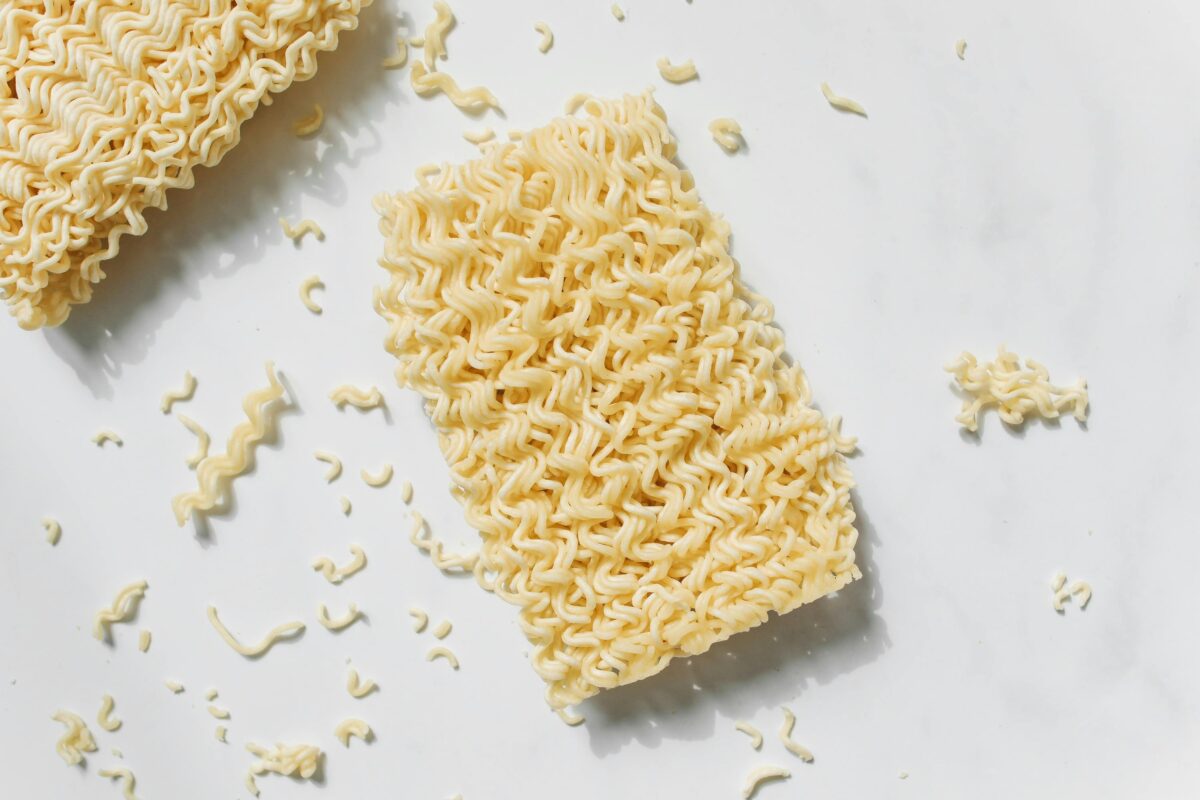
Instant noodles are inexpensive and fast, but they are generally low in nutrients and high in sodium, refined flour, and unhealthy fats. Eating them regularly can disrupt blood pressure, increase the risk of metabolic syndrome, and contribute to nutrient deficiencies.
Adding vegetables and lean proteins, and reducing the use of flavor packets, can slightly improve nutrition, but the best strategy is to limit instant noodles to occasional meals. Replacing them with whole grains, fresh vegetables, and lean proteins encourages a diet richer in fiber, vitamins, and minerals, improving digestion and sustained energy levels.
Highly Processed Meats

Packaged deli meats, sausages, and hot dogs are often convenient for sandwiches or quick meals. Yet these foods frequently contain nitrites, sodium, and saturated fats, which are linked to increased risks of heart disease, certain cancers, and systemic inflammation.
Choosing minimally processed proteins, such as fresh poultry, fish, eggs, or plant-based alternatives, can provide essential nutrients without harmful additives. Experts recommend limiting processed meat consumption and using fresh ingredients whenever possible to improve heart health and overall wellness.
Sweetened Yogurts
Flavored yogurts may seem like a healthful choice, but many contain sugar levels comparable to desserts. These sweetened options can spike blood sugar, reduce satiety, and foster habitual sugar consumption. Even some yogurts marketed as “light” or “low-fat” can be high in hidden sugars and flavor additives.
Swapping to plain yogurt with fresh fruit, nuts, or a small drizzle of honey provides probiotics and protein without the sugar overload. This simple change supports digestive health, steadier energy, and better appetite regulation. Over time, reducing sweetened yogurts can help reinforce healthier taste preferences and lower daily sugar intake.
Granola Bars and Energy Bars
Packaged granola or energy bars are often marketed as “nutritious” and “convenient,” but many are high in refined sugars, syrups, and saturated fats. Frequent consumption can lead to energy crashes, excess calorie intake, and sugar dependence.
Making bars at home using oats, nuts, seeds, and dried fruit allows control over sugar content and nutrient density. Experts suggest limiting store-bought bars to emergency snacks, reserving regular consumption for freshly prepared, high-fiber alternatives that sustain energy without artificial additives.
Fruit Juices
Even 100% fruit juice is naturally high in sugar and lacks fiber, which can accelerate blood sugar spikes. Drinking juice instead of eating whole fruit bypasses satiety signals, increasing overall calorie consumption and contributing to metabolic strain.
Eating whole fruits or diluting juice with water preserves fiber intake and moderates sugar absorption. Limiting juice to small portions or occasional servings helps reduce cumulative sugar intake and supports digestive health, while still providing flavor and hydration.
Flavored Instant Oatmeal
Instant flavored oatmeal packets often include added sugars, flavorings, and artificial colorings. While convenient, these products can undermine the blood sugar-stabilizing benefits of whole oats and leave the eater feeling hungry shortly after breakfast.
Using plain oats with fresh fruit, nuts, seeds, and spices provides natural sweetness, fiber, and sustained energy. Experts highlight that even small adjustments in breakfast choices set the tone for appetite, blood sugar regulation, and energy levels throughout the day.
Snack Crackers and Chips
Packaged chips and crackers are calorie-dense, high in sodium, and easy to overconsume. Keeping them visible or within easy reach encourages mindless snacking, disrupts appetite, and undermines balanced meals.
Replacing them with nuts, seeds, roasted chickpeas, or air-popped popcorn provides fiber, healthy fats, and protein while reducing excess sodium and empty calories. Experts recommend storing indulgent snacks out of sight and keeping healthful options accessible to reinforce better eating patterns.
Conclusion
Your kitchen is more than a storage space; it is a reflection of your daily habits and lifestyle. The items you stock influence meal choices, portion control, and overall nutritional balance. Packaged snack cakes, sugary cereals, soda, bottled dressings, frozen dinners, instant noodles, processed meats, sweetened yogurts, granola bars, fruit juices, flavored oatmeal, and chips are not evil, but frequent reliance on them can quietly undermine health, increase sugar and sodium intake, and reduce nutrient density.
Clearing out these items and creating space for fresh fruits, vegetables, lean proteins, whole grains, and homemade alternatives transforms your kitchen into a space that supports wellness rather than sabotages it. Even incremental changes such as swapping sugary cereals for whole grains, replacing soda with water, or making your own salad dressing can dramatically improve daily nutrition and energy. Experts emphasize that mindful stocking, combined with conscious eating, creates sustainable patterns that improve digestion, stabilize blood sugar, and support long-term health. A kitchen curated with intention is not only cleaner and more organized, but it also actively encourages healthier choices and empowers you to reclaim control over your diet and overall well-being.