10 Healthy Eating Myths That Are Ruining Your Food Choices
Nutrition advice is often overwhelming and contradictory. Carbohydrates and fats are alternately criticized, and even fruit is sometimes discouraged. Today, people must navigate labels, influencers, outdated diet rules, family opinions, and frequent wellness trends.
Healthy eating myths persist because they often contain some truth, but are exaggerated until everyday foods seem questionable. The aim is not perfection or strict adherence to trends, but to understand nutrition well enough to create meals that are nourishing, satisfying, affordable, and practical.
Here are some myths on healthy eating that are ruining your food choices.
A Vegetarian Diet Is Automatically Healthy

A vegetarian diet can be highly nutritious, but it is not automatically healthy simply because it excludes meat. A balanced vegetarian meal includes lentils, chickpeas, vegetables, tofu, whole grains, nuts, seeds, and fruit. However, foods such as fries, soda, candy, white bread, and sugary cereal are also vegetarian, demonstrating that the label alone does not guarantee nutritional quality.
Nutritional quality remains important. A well-planned vegetarian diet should provide adequate protein, iron, zinc, calcium, vitamin B 12, and healthy fats. Beans, lentils, eggs, dairy, soy products, nuts, seeds, and fortified foods can help meet these needs. Plant-based eating is most effective when approached as a comprehensive meal plan rather than simply avoiding certain foods.
Carbs Are Always Bad for You
Carbohydrates have been criticized for years, but they are not inherently problematic. The body relies on carbohydrates for energy, and many nutritious foods contain them, including oats, beans, lentils, fruits, whole grains, vegetables, and dairy. Viewing all carbohydrates as harmful makes healthy eating unnecessarily restrictive.
The key difference is the source of carbohydrates. For example, oatmeal with nuts and berries provides fiber and nutrients, while a glazed doughnut does not, despite both containing carbohydrates. Whole-food carbohydrates offer sustained fullness and nutrition, whereas refined carbohydrates and sugary snacks often do not. It is advisable to prioritize whole grains, fruits, vegetables, and legumes, and reserve refined foods for occasional consumption.
Egg Whites Are Healthier Than Whole Eggs

Egg whites built a reputation as the “clean” part of the egg, but the yolk carries much of the richness and nutrition. Egg whites are often considered the healthier part of the egg, but the yolk contains most of the vitamins, minerals, choline, and flavor.
While egg whites provide protein, the yolk offers additional nutritional benefits. Removing the yolk may be appropriate for specific medical or dietary needs, but it is not necessary for everyone.n toast, avocado, beans, or fruit make a different meal from eggs served with greasy sides and a giant sugary drink. Healthy eating is rarely about one food in isolation. It is about the company that keeps food.
All Processed Foods Are Bad
The term “processed” applies to any food that has been altered from its original state. This includes frozen vegetables, canned beans, rolled oats, plain yogurt, canned tuna, whole-grain bread, and frozen berries. Eliminating all processed foods would remove many convenient and nutritious options from daily meals.
It is important to distinguish between minimally processed and heavily processed foods. Items such as frozen broccoli, canned salmon, low-sodium beans, and plain yogurt can support healthy eating. In contrast, foods high in added sugars, sodium, refined starches, and unhealthy fats should be consumed with caution. The nutritional label is more important than the packaging.
Fruit Has Too Much Sugar
Fruit is sometimes mistakenly compared to candy because of its natural sugar content. However, fruit also provides water, fiber, vitamins, minerals, and beneficial plant compounds. For example, a whole orange is nutritionally different from orange soda, and berries are not equivalent to gummy candy. The fiber in whole fruit slows digestion and offers additional health benefits.
Concerns about sugar are more relevant when fruit is processed into juice or concentrated sweeteners. Juice is less filling and easier to overconsume than whole fruit. Whole fruit is generally the better choice for daily consumption, as it is more satisfying and less likely to be overeaten. For most people, fruit should be included in a healthy diet.
Granola and Yogurt Are Always a Healthy Breakfast
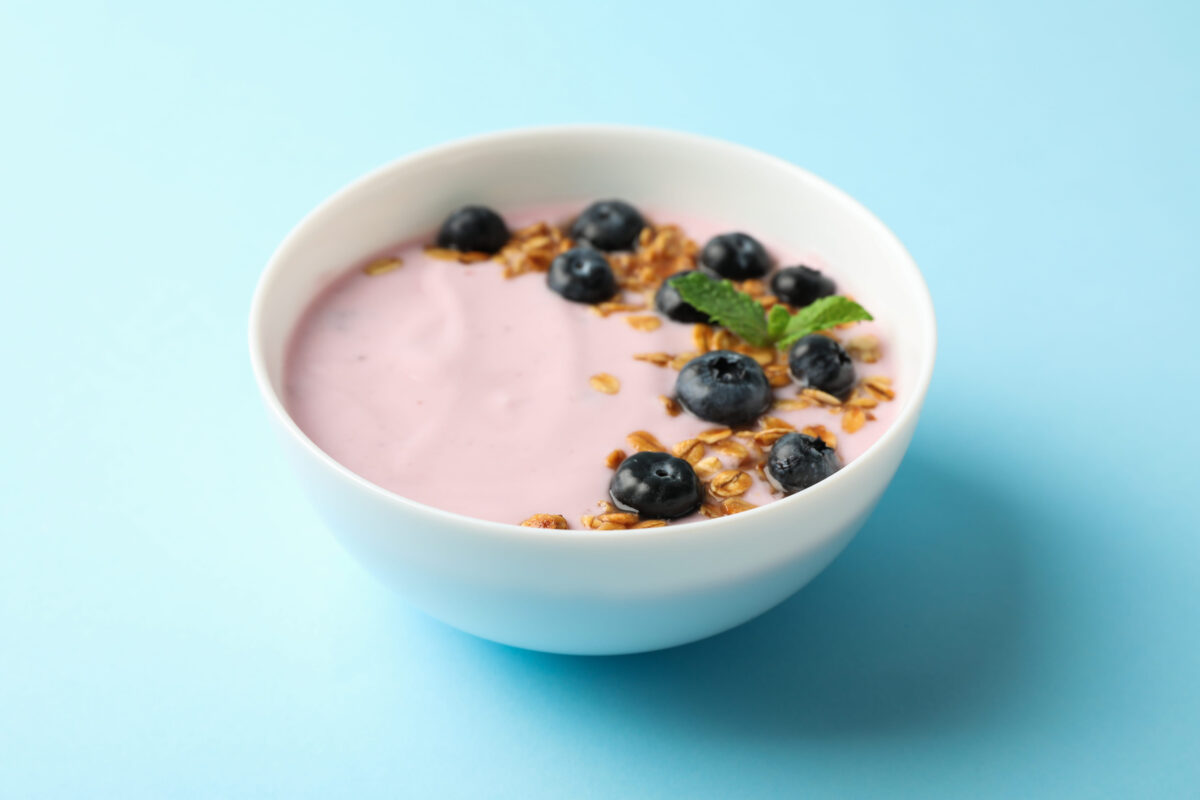
Granola and yogurt are often considered healthy breakfast options, but nutritional content varies. Many flavored yogurts and granola contain significant added sugar, and actual serving sizes may exceed recommendations. While these foods are not inherently unhealthy, it is important to evaluate their ingredients and portion sizes.
A healthier option is to use plain Greek yogurt or another protein-rich yogurt, add fruit, nuts, seeds, and a small amount of low-sugar granola. This combination provides protein, fiber, and sustained energy without excessive sugar. The aim is to create a nutritious and enjoyable breakfast.
Artificial Sweeteners Are a Perfect Fix
Artificial sweeteners can help reduce sugar and calorie intake in certain foods and beverages, which may benefit some individuals. However, they are not a comprehensive solution for healthy eating. Consuming many sweetened products can maintain a preference for intense sweetness. Reducing sugar is most effective when overall dietary sweetness is also decreased.
A gradual reduction in sweetness is practical. Options such as unsweetened tea, sparkling water, fruit-infused water, plain yogurt with berries, and smaller portions of sweet foods can ease the transition. The objective is not to avoid all sweeteners, but to avoid relying on them as a complete dietary solution.
You Should Save Most of Your Protein for Dinner
Many individuals consume most of their protein at dinner, with lighter, carbohydrate-focused meals earlier in the day. This pattern is common but not always optimal. Protein supports satiety, muscle maintenance, and steady energy, and distributing it throughout the day can help balance meals. A breakfast lacking protein may lead to increased snacking before lunch.
This does not mean every meal needs to look like a bodybuilder’s plate. Eggs, Greek yogurt, cottage cheese, tofu, beans, lentils. Not every meal requires large amounts of protein. Foods such as eggs, Greek yogurt, cottage cheese, tofu, beans, lentils, fish, poultry, nuts, seeds, and soy milk can contribute to daily protein intake. Simple breakfasts can be enhanced with these options. Consistent protein intake throughout the day is more effective than concentrating it at dinner.
Calories Are Bad
Calories are a necessary source of energy for all bodily functions, including thinking, movement, work, rest, and repair. Problems arise when calories are viewed with fear rather than as information. Consuming too few calories can lead to fatigue, irritability, difficulty concentrating, and an increased risk of overeating later.
It is more important to consider the nutritional value of calories consumed. Meals containing protein, fiber, healthy fats, and a variety of plant foods are more beneficial than those high in sugar and low in nutrients. Healthy eating focuses on selecting foods that support overall well-being, not just reducing calorie intake.
Eating Fat Makes You Fat
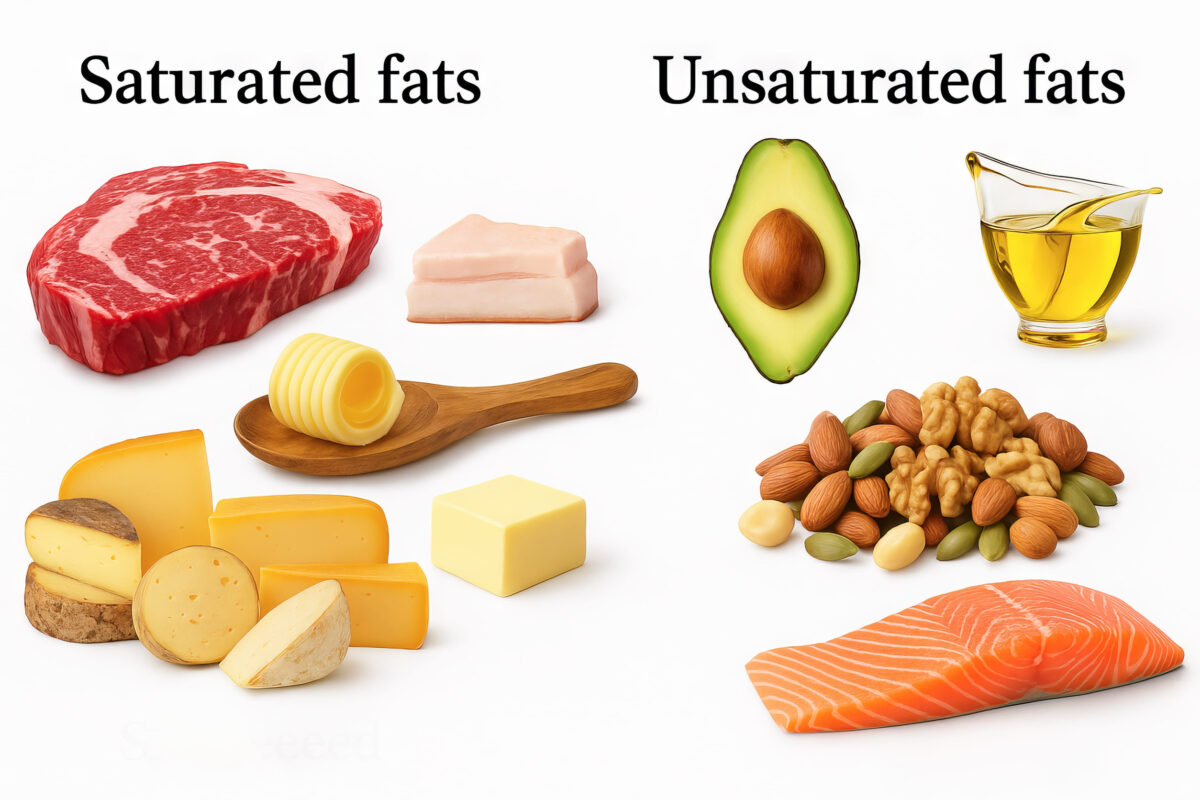
Fat has been blamed for weight gain for decades, but the truth is more balanced. The body needs dietary fat for hormones, brain function, cell health, and the absorption of vitamins A, D, E, and K. Fat also helps meals taste better and feel more satisfying. A salad with a little olive oil, avocado, nuts, or seeds can feel far more complete than a dry bowl of leaves that leaves someone hungry thirty minutes later.
Both the type and amount of fat are important. Unsaturated fats from olive oil, nuts, seeds, avocados, and fatty fish are beneficial. Large amounts of fried foods, processed meats, creamy sauces, and high-saturated-fat snacks should be limited, as they can displace more nutritious options. Fat itself is not harmful; excessive portions and poor-quality sources are the main concerns.