10 Situations Where You Should Never Leave a Tip
Tipping is a deeply ingrained social custom in the United States, yet it is often misapplied. While many instinctively tip to show appreciation, there are instances where it is unnecessary, redundant, or even inappropriate. Improper gratuity can create discomfort, imply bribery, or violate company rules, making discretion essential.
With tipping extending far beyond restaurants to salons, delivery services, and automated kiosks, consumers face new dilemmas. Knowing when not to tip ensures respect for professional boundaries, prevents unnecessary spending, and maintains clarity in social expectations while protecting both parties from awkward or unintended situations.
When a Tip Could Be Seen as a Bribe

Tipping government officials, inspectors, or employees performing regulatory duties can easily be misinterpreted as an attempt to influence outcomes. Actions in these contexts may violate policy or law, potentially putting both the employee and the tipper at risk. Offering gratuity in such situations is not only unnecessary but can also create legal or ethical complications that outweigh any perceived goodwill.
Instead of tipping, express appreciation verbally or with a written acknowledgment. A sincere thank-you or a polite note conveys respect without raising questions of bias or impropriety, ensuring interactions remain professional and transparent while reinforcing ethical standards.
When You’re Using a Prepaid Service
Services paid for in advance, such as spa treatments, guided tours, or transportation, often include gratuity in the total cost. Adding an extra tip without checking can inflate costs and may set unrealistic expectations for service providers in the future.
Review receipts or confirmations for line items labeled “gratuity” or “service fee.” If the service exceeds expectations, additional tipping is discretionary and should reflect exceptional effort rather than routine payment, preserving fairness and consumer clarity.
When You’re at a Self-Checkout Kiosk
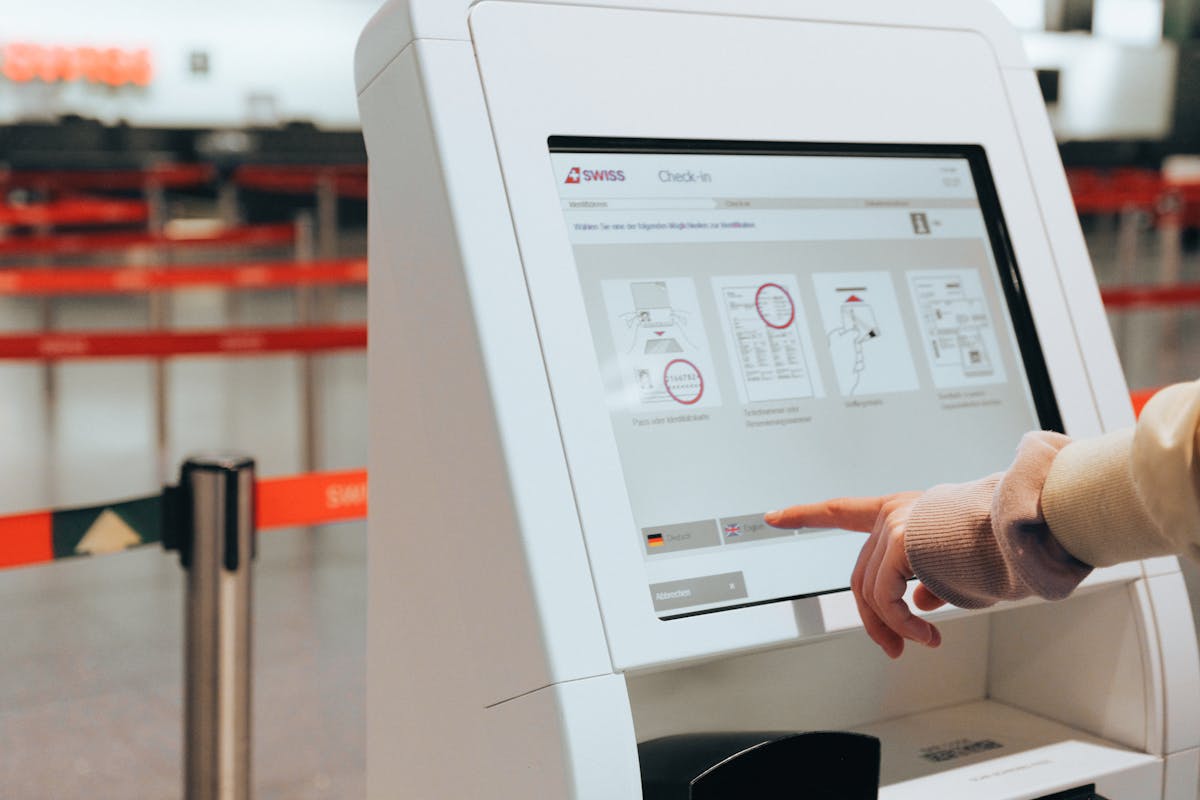
Self-checkout systems increasingly prompt for gratuity despite no human interaction. Tipping here can be confusing and may effectively shift labor costs onto the customer without benefiting any individual employee. This “tip creep” is a growing concern in retail, leading to unnecessary spending and questionable ethical implications for both staff and consumers.
Avoiding these prompts is appropriate and responsible. Consumers can express satisfaction through feedback mechanisms, online reviews, or customer surveys, which preserve the integrity of gratuity while reinforcing accountability without unnecessarily inflating costs.
When Service Is Already Included in the Price
Many establishments, especially higher-end or European-style restaurants, incorporate service charges directly into the bill. Leaving an additional tip in such cases often results in double compensation and is therefore unnecessary. Awareness of your receipt’s details ensures that gratuity is applied accurately and fairly, preventing unintentional overpayment.
Checking for labels like “gratuity included” or “service charge” clarifies expectations and preserves financial fairness. Asking staff when in doubt avoids confusion, allowing the customer to express appreciation appropriately while respecting established pricing structures.
When You’re Dealing with a Business Owner
When the service provider owns the business, tipping is generally not expected. Pricing in these cases reflects expertise, overhead, and professional skill, so additional gratuity may be redundant. Business owners often prefer that customers recognize the value through fair payment rather than supplemental tips.
If an owner goes above and beyond, leaving a small tip is optional, but never obligatory. Many owners politely decline, emphasizing that acknowledgment of service quality is already included in the rate, which maintains professionalism and respects the nature of independent work.
When You’re Attending a Charity or Fundraiser Event
Tipping at charity events can be inappropriate because staff or volunteers may already be compensated through event fees, donations, or organizational support. Adding gratuity can divert funds from the intended cause and create social awkwardness or perceived inequity.
Instead of tipping, express gratitude by contributing to the event’s mission or providing positive feedback. Supporting the event’s purpose ensures that resources go toward the intended cause while maintaining ethical and social decorum.
When You’re Picking Up Takeout Yourself

Collecting pre-prepared takeout is largely transactional and involves minimal labor from service staff. Unlike full-service dining, takeout does not require ongoing attention, table management, or interactive hospitality, making tipping optional rather than customary. Leaving a tip in this situation is entirely at the customer’s discretion and should reflect extraordinary service rather than an obligation.
Even a small token, such as a dollar or two, can acknowledge effort, but tipping should never feel mandatory. Distinguishing between service levels helps consumers allocate gratuity thoughtfully while respecting the nature of the interaction and maintaining financial fairness.
When the Service Was Poor or Offensive
Tips are intended as recognition for satisfactory service. If a server is rude, inattentive, or unprofessional, withholding a tip is within a customer’s rights and effectively communicates dissatisfaction. This approach maintains accountability without being disrespectful to those performing their duties appropriately.
Providing feedback to management, alongside withholding gratuity, ensures a constructive resolution. Clear communication about service quality preserves professional standards, discourages poor behavior, and reinforces expectations.
When It’s Against the Company’s Policy
Certain organizations, including tech stores, delivery companies, or medical offices, maintain strict no-tipping policies. Employees may face penalties for accepting gratuity, making unsolicited tips inappropriate. Adhering to policy ensures professionalism, protects staff, and avoids ethical or financial issues.
If you’re unsure, opt for alternative forms of acknowledgment, such as feedback forms, online reviews, or written commendations. This allows appreciation to be expressed without violating company rules or creating unnecessary complications.
When You’re at a Store, Not a Restaurant

Retail staff, cashiers, and other non-tipped service employees are typically salaried or hourly, with no expectation of gratuity. Tipping in these scenarios is unnecessary and may create discomfort or confusion. Recognition of exceptional service is better expressed through positive reviews, customer feedback, or managerial acknowledgment.
Writing emails, leaving survey responses, or posting online endorsements acknowledge effort appropriately while respecting professional boundaries. These gestures recognize excellent service without the social or financial complications associated with tipping.
Conclusion
Tipping is a nuanced practice that reflects appreciation, professionalism, and social norms, yet it is not universally required. Misapplied gratuity can create awkwardness, violate policies, or even be interpreted as a bribe in certain situations. By understanding when tipping is unnecessary, consumers preserve both financial integrity and social decorum.
Being mindful of these scenarios ensures that tips are reserved for situations where they genuinely reward service, effort, and attention. Verbal acknowledgment, written praise, or customer feedback can replace monetary gratuity when appropriate, maintaining respect and professionalism.