10 things that are just not working that we as a society are collectively deciding to ignore
Modern life, speed, and simplicity, but somehow everything now feels harder than it should. The sink will not turn on. The restaurant menu is trapped behind a QR code. The movie you want is scattered across five streaming apps, each asking for another password, another update, and another monthly payment.
Technology was supposed to save us time, yet it often steals our patience instead. We have smarter cars, smarter homes, smarter phones, and smarter appliances, but many of them seem determined to make ordinary life feel like a customer service puzzle. These are the modern conveniences that were built to help us, but now many people quietly wish they could escape them.
Automatic Sinks That Refuse to Work
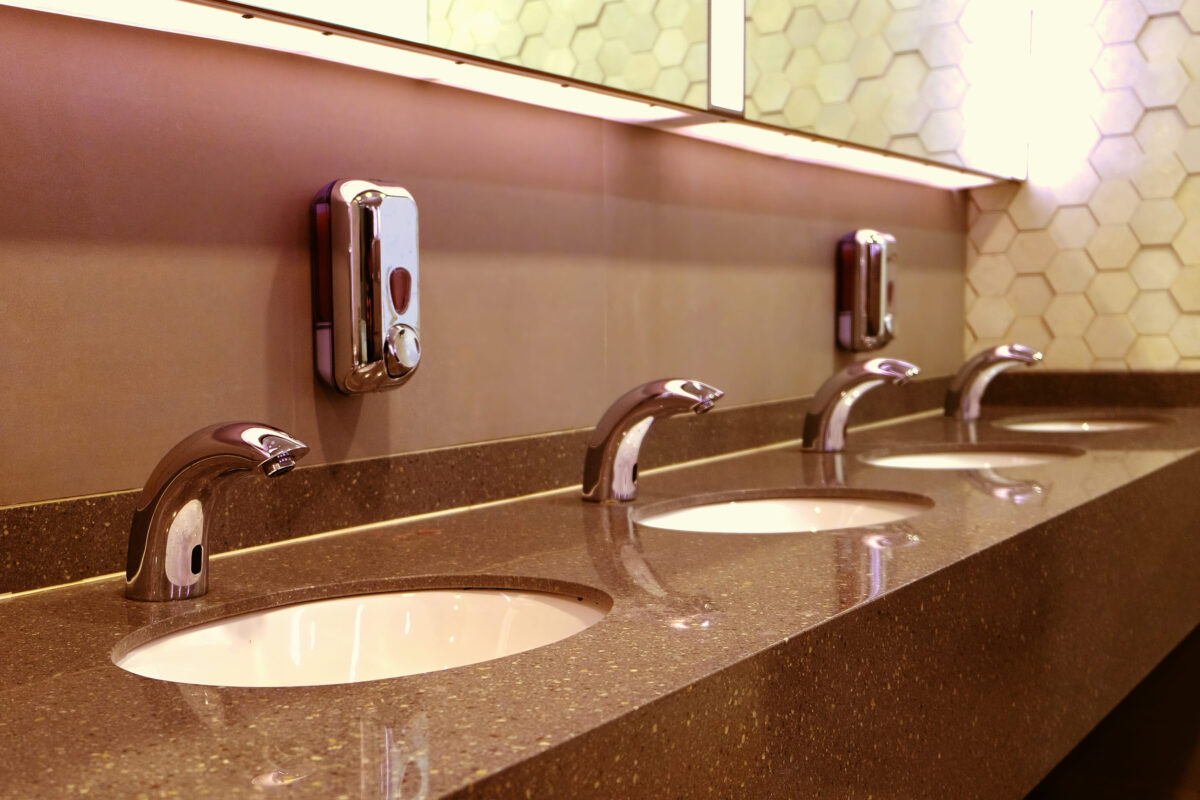
Automatic sinks sound perfect in theory. You wave your hands, water appears, germs stay away, and everyone wins. Then real life happens, and you find yourself standing in a public bathroom waving like you are trying to land a plane.
The problem is not the idea. The problem is how often these sinks fail at the simplest job in the room. Some give you one weak splash, some stop mid-rinse, and others ignore you completely. A normal tap may be old-fashioned, but at least it understands its purpose.
QR Code Menus That Make Dinner Feel Like Homework
QR code menus became popular because they are cheap, clean, and easy for restaurants to update. That sounds practical until your phone battery is low, the internet is weak, or the menu opens as a tiny PDF that needs Olympic-level finger zooming. Suddenly, ordering fries feels like filing taxes.
A menu should be easy, warm, and human. Instead, some restaurants now make customers scan, scroll, click, accept cookies, dodge pop-ups, and search through badly organized pages. People went out to eat, not to fight a website before the appetizers arrive.
Streaming Services That Recreated Cable
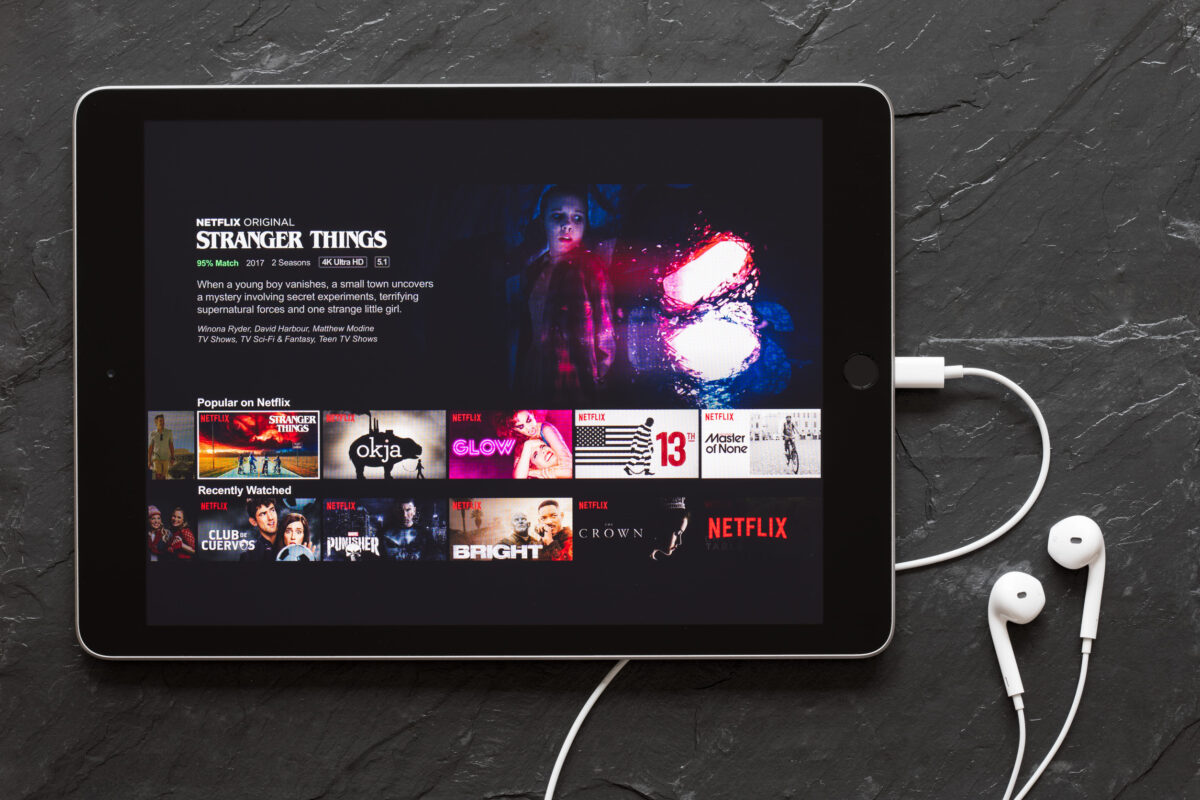
Streaming once felt like freedom. You could watch what you wanted, when you wanted, without cable bundles, long contracts, or endless commercials. Now the same movie you loved may disappear overnight, land on a different app, or require a premium subscription inside the subscription you already pay for.
The joke is painful because streaming slowly rebuilt the problem it promised to destroy. We now juggle multiple apps, rising prices, password rules, ads, and confusing content libraries. Cable had too many channels, but streaming has too many bills.
Heated Car Seats Locked Behind Subscriptions
Heated car seats used to be a feature. You bought the car, pressed the button, and enjoyed warm comfort on a cold morning. Now, some companies have explored subscription-style access to car features, which makes people wonder: when did comfort become something you rent from your own vehicle?
This kind of thinking feels insulting, since the hardware is already inside the car. The seat can heat, but the driver may still need permission from a payment plan. That is not innovation. That is turning ownership into a never-ending checkout screen.
Touchscreens in Cars That Distract Drivers
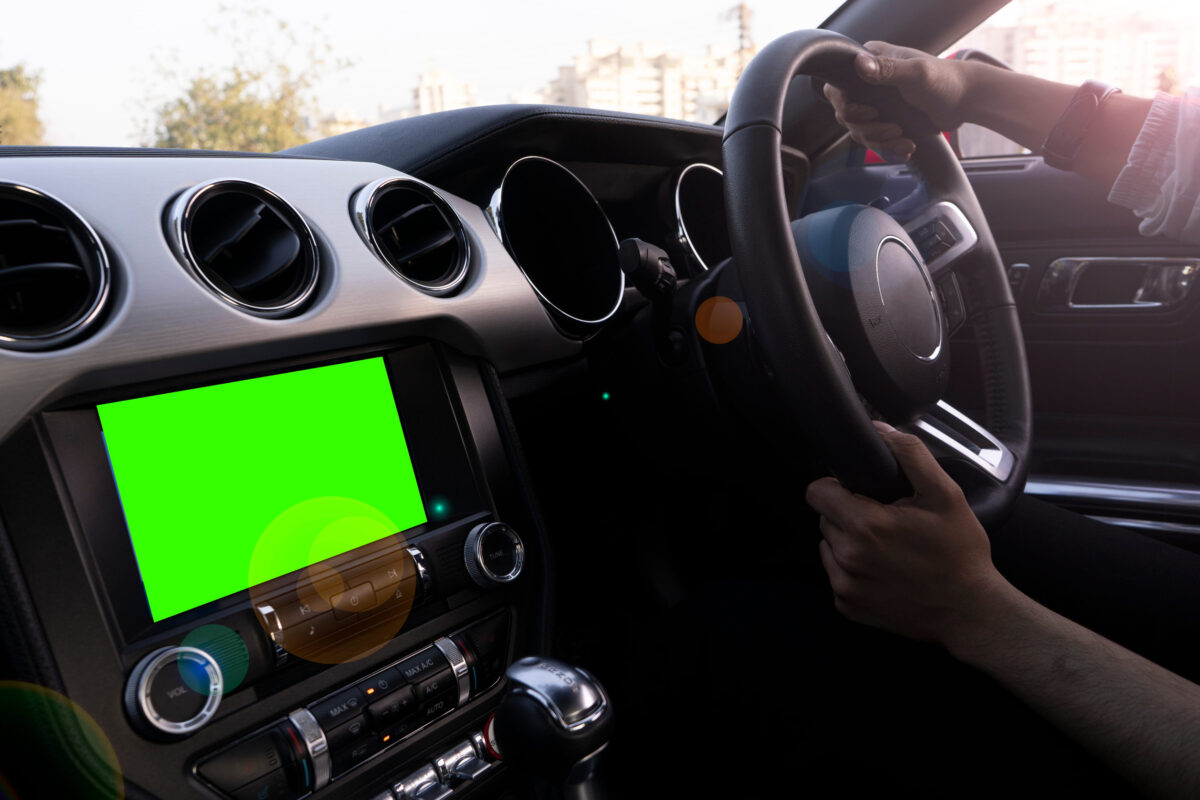
Car touchscreens look sleek in commercials. They glow, slide, and make the dashboard feel futuristic. The trouble starts when you need to change the temperature, adjust the volume, or find a simple setting while driving down a busy road.
Old buttons worked because your fingers could find them without much thought. Touchscreens demand your eyes, your attention, and sometimes your patience when the system lags. A car should help drivers focus on the road, not make them tap through menus like they are using a tablet at 60 miles per hour.
Self-Checkout Machines That Turn Shoppers Into Workers
Self-checkout can be useful when someone has only a few items. It feels fast, simple, and private until the machine starts shouting about an “unexpected item in the bagging area.” Suddenly, the customer becomes the cashier, the bagger, the problem solver, and the unpaid employee.
The worst part is that self-checkout often doesn’t feel any faster. People still wait for help, still deal with locked items, and still get watched like they are trying to steal a banana. Convenience should not make customers do more work with less service.
Smart Home Devices That Make Homes Feel Less Simple
Smart homes sound wonderful on paper. Lights turn on by voice, speakers answer questions, thermostats learn habits, and doorbells show who is outside. Then the Wi-Fi drops, the app freezes, or the device decides it needs an update before it can perform a basic command.
A home should feel peaceful, not like a tech support center. When turning off a lamp requires an app, a password, and a working server, something has gone too far. Sometimes the smartest thing in the room is still a normal switch on the wall.
App-Only Services That Exclude People for No Good Reason
Many businesses now push everything into apps. Parking, banking, coupons, tickets, food orders, apartment access, and customer service often require yet another download. That may feel convenient for some people, but it becomes frustrating for anyone with limited storage, poor internet, privacy concerns, or no smartphone access.
The app-only world creates unnecessary barriers. A simple task becomes a digital process with logins, codes, updates, and error messages. Progress should make life easier for more people, not punish anyone who wants a normal human option.
Digital Tickets That Create Panic at the Worst Time
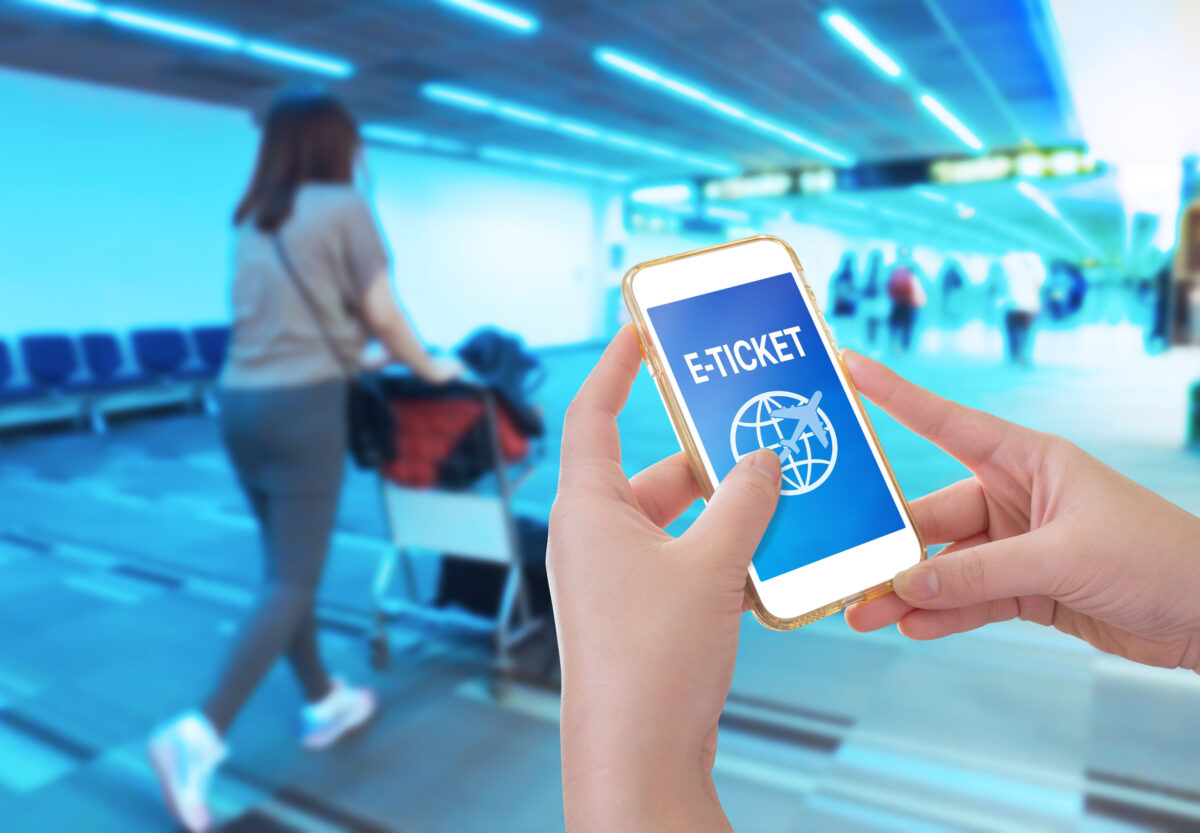
Digital tickets are convenient until the phone battery dies, the app logs out, or the signal fails at the entrance. That is when a concert, flight, or sports game turns into a stressful race against technology. Nobody wants to hold up a line because a screen will not load.
Paper tickets had issues, but at least they didn’t require Wi-Fi. Digital tickets save companies money and reduce printing, but they also place all the pressure on the customer’s phone. One glitch can turn a simple entry into a public anxiety attack.
Subscription Everything That Makes Life Feel Rented
The subscription model has spread into almost every corner of modern life. People now subscribe to music, movies, software, fitness apps, storage, meal kits, delivery perks, games, and sometimes even features inside products they already bought. It feels small at first, but the charges pile up quietly.
This is why many people feel tired of modern convenience. Nothing feels fully owned anymore. Everything asks for renewal, upgrade, payment, or permission. A society built on endless subscriptions can make even comfort feel temporary.
Conclusion
Modern convenience is not the enemy. Good technology can save time, improve safety, reduce stress, and make life more enjoyable. The problem begins when convenience becomes complicated, expensive, glitchy, or designed more for company profits than real people.
Automatic sinks, QR codes, streaming apps, smart homes, touchscreens, subscriptions, and digital tickets all reveal the same issue. We keep adding “smart” systems to simple parts of life, then act surprised when people feel exhausted. Maybe the future should not be about being more advanced. Maybe it should also be easier to live in.