10 Atrocities Committed in the Name of Religion and Power
Religion has inspired cathedrals, songs, moral codes, charities, hospitals, reforms, and comfort during hardship. Yet it also served as a banner for conquest, revenge, forced conversion, exclusion, and mass violence. This contradiction makes “atrocities committed in the name of religion” one of history’s most uncomfortable questions.
This article examines major atrocities in which religion served as a public justification, organizing identity, or moral cover. It does not blame every believer inside a tradition. It asks something sharper: what happens when people convince themselves that cruelty becomes holy because their side says God, purity, salvation, destiny, or righteousness is on their side?
The Crusades Turned Holy War Into a Medieval Blood Machine
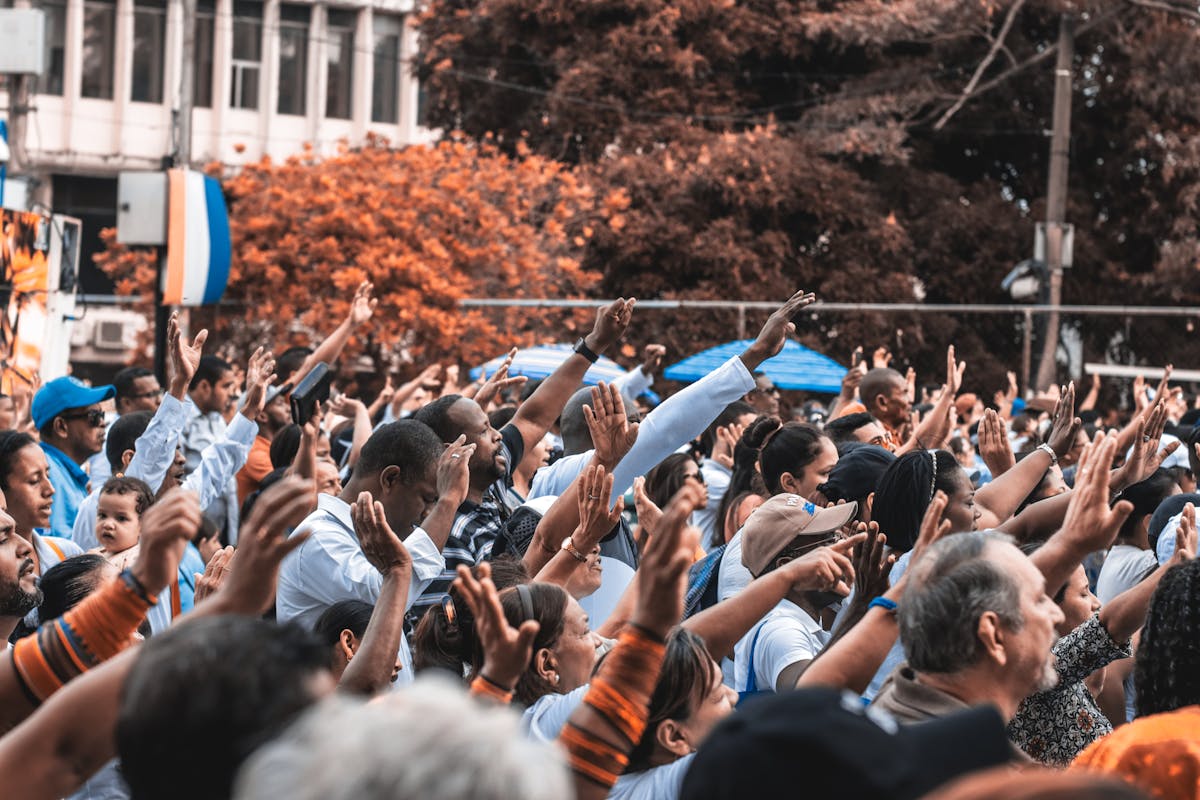
The Crusades remain a well-known instance of violence cast as a sacred duty. Beginning in 1095, waves of European Christian armies marched to the eastern Mediterranean to reclaim Jerusalem and other holy sites. The First Crusade and later campaigns intertwined religious devotion with land hunger, papal authority, aristocratic ambition, trade interests, and apocalyptic expectation.
The violence was not limited to battlefields. Jewish communities in Europe were attacked by crusading mobs before some armies even reached the Holy Land. Cities were besieged, civilians were killed, and the language of penance turned war into a spiritual transaction. Britannica notes that there were at least eight major Crusades between 1096 and 1270, making this a long-running system of religiously sanctioned warfare rather than one isolated explosion.
The Spanish Inquisition Made Suspicion Feel Like Faithfulness
The Spanish Inquisition shows religious policing as a state project. Established in the late 15th century, it targeted suspected heresy, especially among Jewish and Muslim converts accused of secretly practicing their former faiths.s. Officially defending religious purity, it also consolidated royal power, enforced conformity, and terrorized communities.
This kind of atrocity did not always look like an army charging across a plain. Sometimes it looked like paperwork, courtrooms, informants, and a public square waiting for punishment. That made it more frightening. The Inquisition turned ordinary life into evidence, and once religious loyalty became a matter for courts, privacy itself became dangerous.
The Thirty Years’ War Devastated Europe Under a Religious Banner
The Thirty Years’ War began in 1618 as a conflict rooted in Protestant-Catholic tensions within the Holy Roman Empire. It soon widened into a continental struggle involving dynastic rivalry, territory, commerce, and state power. Religion lit the fuse, but politics kept feeding the fire until large parts of Central Europe were ruined.
The lesson is brutal: religious identity can make war feel absolute, but political interests can make it last longer. Once rival powers saw an advantage in the conflict, the original religious dispute expanded into something even more destructive. The result was not spiritual victory. It was exhaustion, hunger, mass death, and a Europe forced to rethink coexistence after decades of ruin.
The French Wars of Religion Turned Neighbors Into Targets
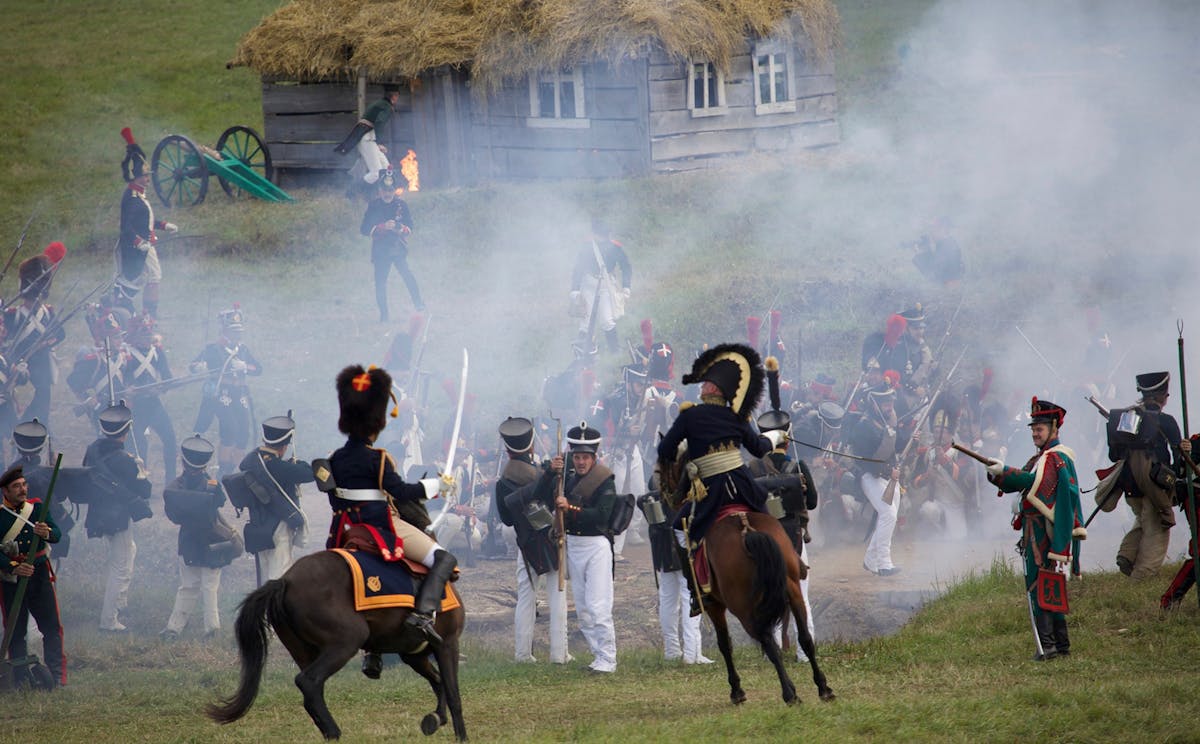
France’s Wars of Religion brought Catholic and Protestant tensions into the streets, courts, noble houses, and villages of the 16th century. The conflict between Catholics and Huguenots was more than a theological disagreement. It drew on royal succession, noble factionalism, foreign influence, and the fear that the other side would destroy the country.
What makes this episode so disturbing is its intimacy. This was not simply distant armies fighting over borders. These were neighbors, wedding guests, political rivals, mobs, and local authorities acting inside a society already trained to fear religious difference. When identity hardens into panic, the person across the street can suddenly be treated like an invading army.
Partition Turned Religious Identity Into a Border of Blood
The 1947 Partition of British India into India and Pakistan caused one of the largest forced migrations in modern history. New borders, drawn around religious majorities, made India a Hindu-majority and Pakistan a Muslim homeland. This political decision displaced communities where Hindus, Muslims, Sikhs, and others had lived together for generations.
Partition shows how quickly religious identity can become deadly when tied to territory, statehood, and fear. Many victims were attacked not because of anything they had personally done, but because their name, clothing, language, neighborhood, or prayer practice placed them on the “wrong” side of a new political map. In that moment, religion became a passport, a target, and a death sentence.
The Armenian Genocide Used Religion and Ethnicity as Marks for Destruction
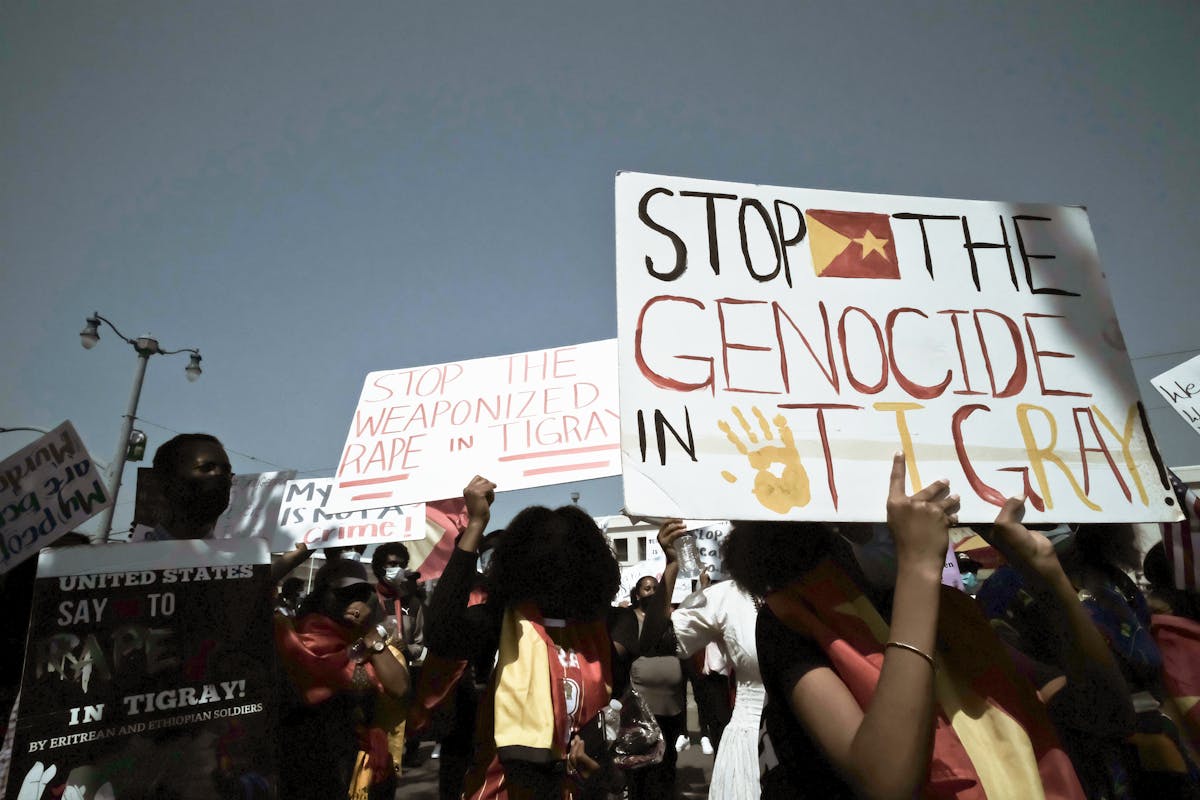
The Armenian Genocide is one of the clearest examples of a state targeting a religious and ethnic minority during a period of war and nationalist paranoia. Armenians were a Christian minority inside the Ottoman Empire, and during World War I, they were accused by Ottoman authorities of disloyalty and collaboration with enemy powers. That accusation became a pretext for deportation, dispossession, massacres, starvation, and death marches.
This atrocity matters in any discussion of religion because Armenian Christian identity helped mark the victims, even though nationalism, empire, war, and state power drove the machinery of destruction. That distinction is important. Religion was not the only cause, but it helped define who was vulnerable. Once a government turns identity into suspicion, mass violence can move with terrifying speed.
Native American Cultural Erasure Was Often Wrapped in Christian Civilizing Language
The colonization of Indigenous peoples in North America involved land theft, warfare, forced removals, broken treaties, disease, massacres, and cultural destruction. Religion often entered through the language of “civilizing” Native communities. Mission systems and boarding schools sought to replace Indigenous languages, spiritual practices, names, family structures, and cultural memory with Euro-American Christian norms.
This atrocity was not always a single massacre that ended in one day. It was a long campaign against identity. A child losing a language, a ceremony being banned, a family being split apart, and a people being told their sacred world was inferior are forms of violence that echo across generations. The cruelty sat inside classrooms, churches, uniforms, haircuts, and renamed children.
The Ku Klux Klan Used Christian Symbols to Sanctify Racial Terror
The Ku Klux Klan is one of America’s clearest examples of racial terror using religious imagery for moral cover. Klan groups burned crosses, invoked Christian language, defended white supremacy, and presented themselves as guardians of a threatened social order. Their violence targeted Black Americans, Jews, Catholics, immigrants, civil rights workers, and others seen as enemies of their racial vision.
The important point is not that Christianity caused the Klan. Many Christian denominations condemned Klan ideology, and many Christian activists fought white supremacy. The point is that the Klan borrowed sacred symbols to make hatred look holy. That is one of the oldest tricks in extremist politics: dress domination as defense, call cruelty purity, and make violence feel like obedience.
Witch Hunts Turned Fear of Evil Into Public Killing
The European and colonial witch hunts show how religious panic can turn vulnerable people into scapegoats. From the late medieval period into the early modern era, thousands were accused of witchcraft, often during times of plague, crop failure, war, social tension, or religious upheaval. Women, widows, healers, outsiders, and socially marginal people were especially vulnerable.
Witch hunts reveal how atrocity can grow from imagination. A storm, illness, miscarriage, or a failed harvest could serve as evidence. Once fear becomes sacred certainty, the accused person ceases to be a neighbor and becomes a monster. That shift makes almost anything feel permissible.
Abortion Clinic Bombings Show How Moral Absolutism Can Become Domestic Terror
Modern religiously framed violence is not confined to ancient or medieval history. In the United States, some extremists have attacked abortion providers, clinics, and patients under the claim that they are defending unborn life. These attacks have included bombings, arson, shootings, threats, and assassinations.
The moral contradiction is stark. A movement that claims to defend life can produce individuals who justify taking life. That does not mean every religious opponent of abortion supports violence. Most do not. It means absolutist language can become dangerous when a person starts believing murder is rescue, terror is courage, and lawbreaking is a sacred duty.
This category matters because it brings the discussion into the present. Religious atrocity is not only a dusty subject from old empires and medieval wars. It can appear wherever people decide that their moral certainty places them above the law and above another person’s right to live safely.
Conclusion
The history of religious atrocities is not a simple story of faith turning people cruel. It is a darker and more useful story about power. Human beings become most dangerous when they believe their violence has been approved by heaven, history, nation, tribe, purity, or destiny.
The answer is not to pretend religion has done only harm, because that would be false. The answer is also not to pretend religion has never been used as a weapon, because history will not allow that comfort. The honest lesson is sharper: any belief system, religious or secular, becomes dangerous when it teaches people to see cruelty as righteousness.