
10 Steak Mistakes That Ruin Dinner Before the First Bite
A good steak can make a regular dinner feel like a small celebration, but a bad one can turn an expensive cut of beef into a chewy disappointment. The painful part is that most steak mistakes do not look dramatic while they are happening. A little moisture on the surface, a weak pan, a rushed slice, or a nervous poke with a fork can quietly steal the crust, tenderness, and flavor we were hoping for.
Cooking steak well is not about acting like a restaurant chef or owning fancy equipment. It is about respecting the meat, controlling heat, and avoiding the small habits that sabotage a juicy result. Once we understand the biggest mistakes, steak becomes less intimidating and much more rewarding.
Here are the 10 steak mistakes that do the most damage, and the smarter way to avoid them.
Treating Every Steak Cut Like It Cooks the Same
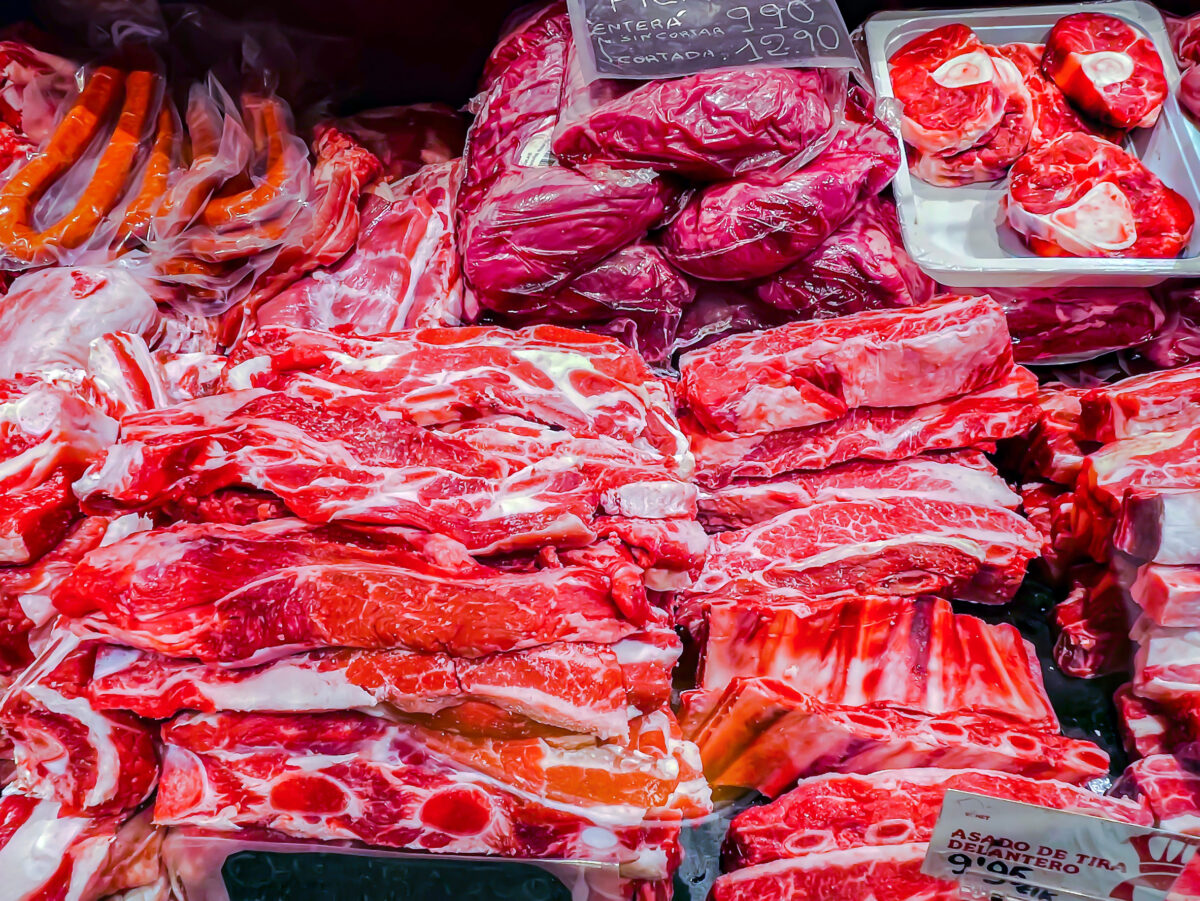
One of the fastest ways to ruin steak is to assume every cut needs the same cooking method. A ribeye is rich, fatty, and forgiving because its marbling helps keep it juicy under high heat. A filet mignon is tender but lean, so it can dry out quickly when overcooked. Flank steak and skirt steak bring big flavor, but they need quick cooking and thin slicing because their muscle fibers are much more noticeable.
We should choose the cooking method based on the cut, not just the craving. Thick ribeye, New York strip, porterhouse, and T-bone steaks love a strong sear and can handle more heat. Filet mignon benefits from careful timing and butter basting because it needs extra richness. Flank and skirt steak usually do best with a marinade, a blazing hot pan or grill, and a sharp knife slicing across the grain. The steak tells us how it wants to be cooked before it ever touches the pan.
Buying Steak Without Checking Marbling and Thickness
A steak label can sound impressive, but the meat itself matters more than the label. Marbling, those thin white streaks of fat inside the muscle, helps create flavor, moisture, and tenderness. A well-marbled steak usually tastes richer and offers better protection against overcooking. A very lean steak can still be delicious, but it gives us less room for mistakes.
Thickness is another detail many home cooks overlook. A thin steak can overcook before it develops the dark crust we want, especially if the pan isn’t hot enough. A thicker steak gives us more control, but it often needs a slower start and a strong final sear. Instead of grabbing the cheapest or prettiest package, we should look for even thickness, good marbling, and a cut that fits the method we plan to use. That one decision can save the whole meal.
Cooking Steak Before the Surface Is Dry
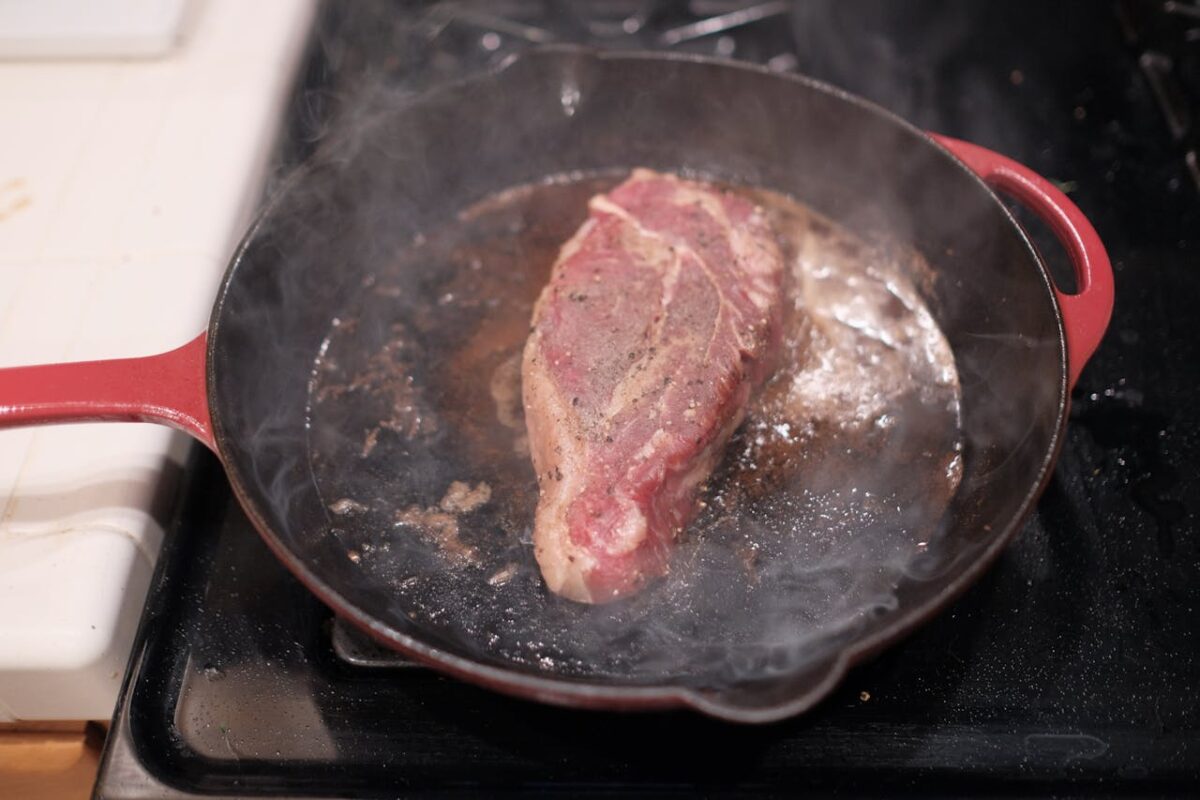
Moisture is one of steak’s biggest enemies. When a damp steak hits a hot pan, the surface steams before it sears. That is how we end up with a dull gray exterior instead of the deep brown crust that makes steak taste rich, savory, and restaurant-worthy. The pan cannot brown the meat properly until the extra surface moisture disappears.
The fix is simple but powerful. Pat the steak dry with paper towels before seasoning and cooking. For an even better crust, salt it in advance and leave it uncovered in the fridge so the surface dries slightly. A dry surface does not mean a dry steak. It means the outside can brown faster, the seasoning can grip better, and the inside can stay juicy instead of suffering through a long, steamy cook.
Using Too Little Salt
Many home-cooked steaks taste flat because they are underseasoned. Steak is thick, dense, and bold, so a tiny sprinkle of salt on the top is rarely enough. Since we cannot season the center of the steak directly, the outside needs enough salt to flavor each slice once it is cut. This is one reason restaurant steaks often taste more complete than homemade ones.
We should season all sides of the steak, including the edges, with confidence. Coarse kosher salt is a strong choice because it spreads well and gives us better control than fine table salt. The goal is not to make the steak taste salty. The goal is to wake up the beef’s natural flavor, build a better crust, and make every bite feel full instead of dull. A timid hand with salt often leads to a forgettable steak.
Covering Good Steak With Too Many Seasonings
A good steak does not need to taste like the whole spice cabinet. Heavy seasoning blends, sugary rubs, garlic powder, dried herbs, and smoky spices can easily overpower the beef. Some seasonings can burn under high heat, turning bitter before the steak is done. That bitterness sticks to the crust, making the steak taste harsher than it should.
Salt should be the main seasoning. Black pepper can be added before cooking for a bold, toasted flavor, or after cooking to avoid the risk of burning. Fresh herbs, garlic, and butter are best added near the end during basting, when the heat is lower, and the flavors can bloom rather than scorch. The best approach to steak seasoning is confident but restrained. We are not trying to hide the beef. We are trying to make it shine.
Searing Steak in the Wrong Fat
Butter sounds like the perfect steak fat, but it can betray us when the pan gets very hot. Whole butter burns quickly because its milk solids cannot handle the high heat needed for a serious sear. When butter burns too early, it can leave the crust tasting bitter instead of rich. That is not the flavor we want after spending good money on steak.
A better move is to sear with a high-heat fat first, then finish with butter later. Neutral oil, clarified butter, ghee, or beef tallow can handle higher temperatures more effectively. Once the steak has a good crust and is close to done, we can lower the heat and add butter, garlic, rosemary, thyme, or shallots. Then we spoon that foaming butter over the steak for a glossy, flavorful finish without sacrificing the sear.
Salting the Steak at the Wrong Time
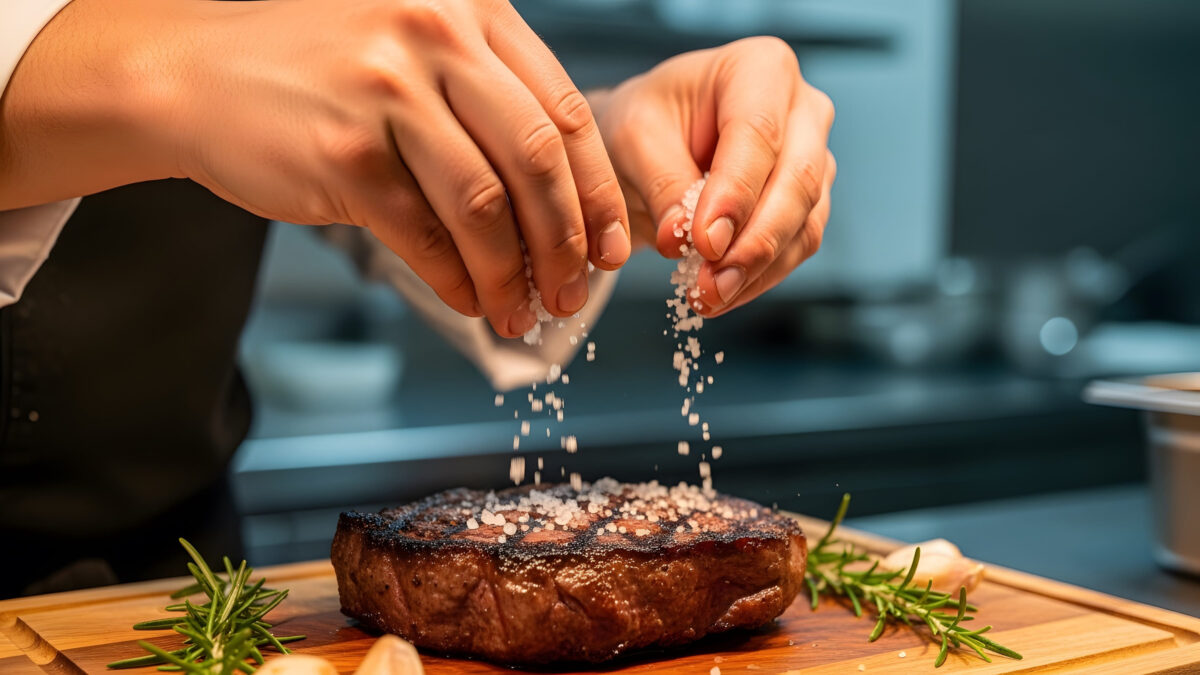
Salt can help the steak, but bad timing can hurt the crust. When salt first comes into contact with meat, it pulls moisture to the surface. Given enough time, that salty moisture can move back into the steak and improve flavor. But if we salt the steak and cook it during the middle stage, when the surface is wet, browning becomes harder, and the crust suffers.
There are two safer approaches. We can salt the steak right before it goes into the pan, then cook it immediately. Or we can salt it well ahead of time and give it enough time to dry again before cooking. The second method works especially well for thicker steaks because it seasons the meat more deeply and improves the surface. What we should avoid is salting randomly, walking away, and then dropping a damp steak into the pan.
Cooking Steak in a Pan That Is Not Hot Enough
A weak pan creates a weak steak. If the steak does not sizzle hard the moment it touches the surface, it will start releasing moisture before it browns. That results in a pale, soft exterior rather than a dark, flavorful crust. The difference between a good steak and a disappointing one often begins with pan temperature.
We should preheat the pan thoroughly before adding the steak. Cast iron, carbon steel, and heavy stainless steel pans work well because they hold heat when cold meat hits the surface. A thin or lightweight pan can cool too quickly, making it harder to brown the meat. The steak needs strong contact with intense heat so the crust forms fast while the inside stays tender. If the pan sounds quiet, the steak is already in trouble.
Guessing Doneness Instead of Using a Thermometer
Guessing steak doneness is a risky game, especially with expensive cuts. Time alone does not tell the full story because steak thickness, pan heat, starting temperature, and cut all change how quickly the meat cooks. Pressing the steak with a finger can help experienced cooks, but it is not reliable for everyone. Cutting into the steak to check the center is even worse, as it releases juices and ruins the presentation.
An instant-read thermometer gives us control. We should check the thickest part of the steak and remove it from the heat before it reaches the final temperature we want, since the steak will keep cooking as it rests. This carryover heat can push a perfect steak into overdone territory if we wait too long. A thermometer does not make cooking less skilled. It protects the steak from guesswork.
Slicing Steak Too Soon or the Wrong Way
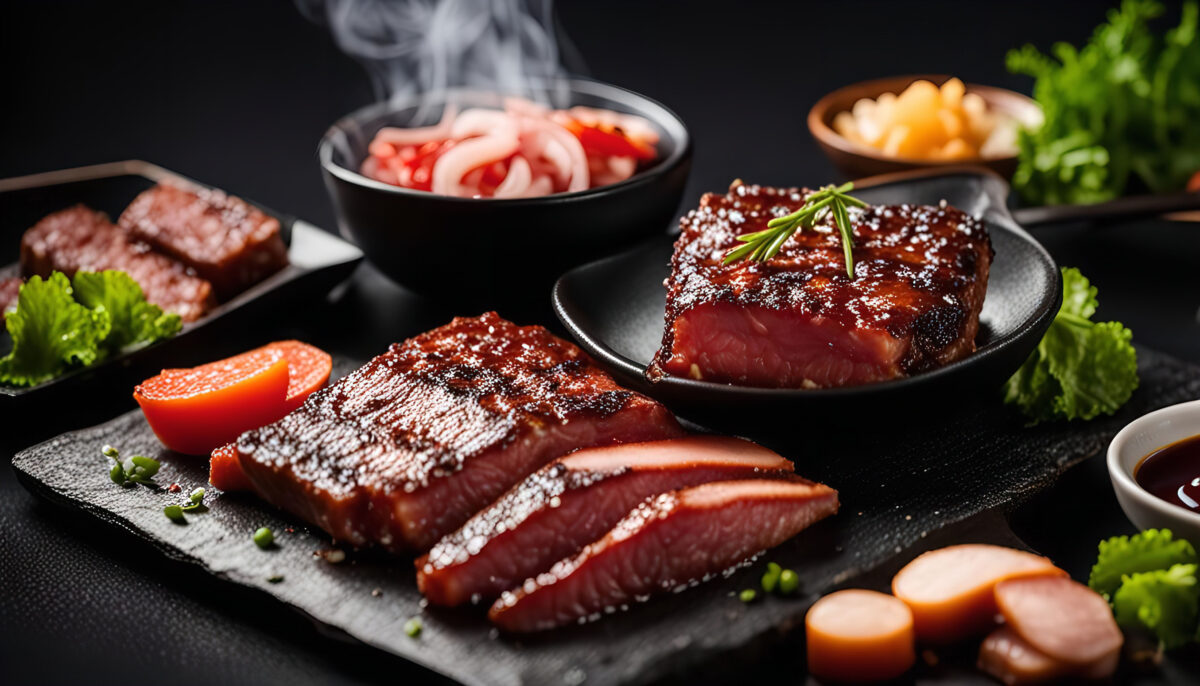
The final mistake happens after the steak is cooked, when patience is hardest. Cutting into the steak too soon causes juices to spill across the board rather than staying in the meat. Resting gives the muscle fibers time to relax, helping the steak stay juicier when sliced. A few minutes can make the difference between a moist bite and a dry one.
Slicing direction matters too, especially for flank, skirt, hanger, and flat-iron steak. We should look for the grain, which means the direction of the muscle fibers, then cut across it instead of along it. This shortens the fibers, making each bite easier to chew. A sharp knife also helps because it slices cleanly without tearing the meat. Even a perfectly cooked steak can taste tough if we rush the cut or slice it the wrong way.
Conclusion
Steak does not need complicated tricks, but it does demand attention. The biggest mistakes are usually basic ones, like choosing the wrong cut, skipping the dry surface step, under-seasoning, using too low a heat, or cutting too soon. Each mistake seems small, but together they can turn juicy beef into something gray, bland, and disappointing.
The good news is that a better steak is very achievable at home. We only need to choose wisely, season boldly, dry the surface, heat the pan properly, check doneness, rest the meat, and slice with care. Once these habits become routine, steak stops feeling like a risky splurge and becomes a dinner we can actually master.


