9 Unwritten Rules Of Being Poor That You Only Could Know About If You’ve Struggled Financially
Experiencing financial hardship teaches lessons no classroom can provide. These lessons go beyond dollars and cents; they shape resilience, ingenuity, and an understanding of priorities that only real-life struggle can instill.
People who have navigated financial instability develop unique strategies to survive, adapt, and even thrive despite constant constraints. From managing bills to creatively stretching resources, each step builds life skills that last well beyond temporary financial crises.
Always Prioritize Bills

When money is scarce, paying essential bills becomes the top priority. Rent, utilities, and basic living expenses cannot be neglected without serious consequences, and anyone living paycheck to paycheck quickly learns to juggle payment deadlines strategically.
This constant balancing act sharpens organizational skills, fosters negotiation ability with service providers, and strengthens a person’s capacity for strategic financial thinking under pressure. Ensuring these payments are made on time also teaches accountability and foresight.
Individuals learn to track due dates, forecast upcoming expenses, and anticipate potential emergencies. Over time, this habit of prioritizing essentials becomes second nature, helping individuals maintain stability and avoid cascading crises. The experience instills discipline and resilience, providing a framework for handling financial challenges long into the future.
Relying on Community Resources
Financial struggle often necessitates reliance on community resources such as food banks, free clinics, and local support programs. Learning how to access these services, navigate applications, and understand eligibility requirements is a skill acquired through experience.
It requires patience, persistence, and the humility to seek help when needed, cultivating a deeper sense of resilience and community awareness. Using these resources effectively also teaches strategic thinking and self-advocacy. Individuals learn to plan visits, track available services, and leverage support without overreliance.
Developing relationships with community organizations can provide long-term assistance, emotional support, and practical guidance, reinforcing the importance of networks in maintaining stability during challenging times.
Stretching Food

Food is both sustenance and strategy for those navigating poverty. Making meals last requires creativity, careful planning, and resourcefulness, transforming basic ingredients into multiple meals without sacrificing nutrition or taste. Staples like rice, beans, and pasta are repurposed in countless ways, leftovers are reinvented into new dishes, and bulk buying is leveraged whenever possible to maximize value.
This ingenuity is paired with discipline and patience. Cooking from scratch, learning preservation techniques, and using every ingredient efficiently are not merely cost-saving measures; they become daily exercises in mindfulness and resource optimization. The ability to transform modest ingredients into satisfying meals develops confidence, creativity, and pride, turning necessity into a skill set that serves well beyond the kitchen.
Making Do and Mending
Repairing items rather than discarding them is a hallmark of financial ingenuity. Clothing is patched, appliances are fixed, and furniture is refurbished to extend its usability. These acts require problem-solving, technical skill, and creativity, transforming what could be a limitation into an opportunity to learn and innovate.
The act of mending also fosters patience and pride. Successfully restoring a broken item creates tangible results, reinforcing self-reliance and confidence. Over time, the habit of “making do” becomes a philosophy that emphasizes resourcefulness and sustainability while minimizing unnecessary expenses and waste.
Secondhand Everything
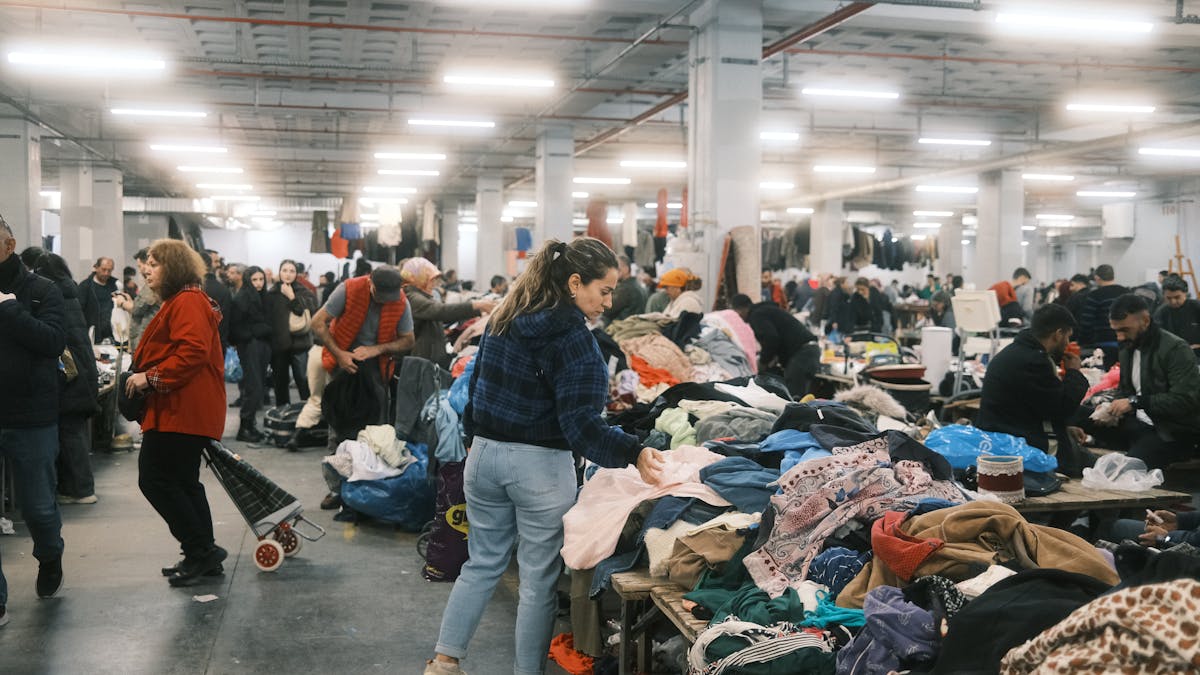
When finances are tight, buying new items often isn’t feasible, making secondhand goods essential. Clothing, furniture, appliances, and even electronics are sourced from thrift stores, online marketplaces, or donations, demanding patience and discernment to find quality items.
This approach teaches value assessment, bargaining skills, and appreciation for sustainable consumption while stretching limited budgets. Adopting a secondhand lifestyle also builds adaptability and creativity.
People learn to customize, repair, or combine items to meet their needs, turning pre-loved goods into functional and personalized possessions. Beyond financial savings, this practice encourages environmental responsibility and develops a mindset of resourcefulness that persists even after economic conditions improve.
DIY Solutions

Professional services are often unaffordable, so learning to do things yourself is crucial. From home repairs to car maintenance, acquiring these skills reduces costs and empowers individuals to take control of their environment.
Online tutorials, community forums, and borrowed tools become indispensable resources for mastering new tasks and solving problems independently.
DIY practices also foster critical thinking and adaptability. Each challenge demands assessing options, improvising solutions, and executing tasks effectively, often under resource constraints. Over time, the confidence gained from successfully completing DIY projects translates into broader self-efficacy and problem-solving abilities, enhancing both personal and professional life skills.
Creative Transportation
Transportation costs can be prohibitive, making alternative methods essential. Public transit, biking, walking, and carpooling become routine, requiring planning, flexibility, and endurance. Mastering these systems enables individuals to maintain mobility, access work or education, and meet personal needs despite financial limitations.
This reliance on creative transportation also develops independence and problem-solving abilities. Navigating schedules, routes, and logistical challenges builds time management skills and resourcefulness. Physical activity from walking or cycling offers health benefits, turning necessity into an advantage while reinforcing a mindset of self-sufficiency.
Living With Uncertainty
Constant financial instability brings stress, anxiety, and unpredictability into daily life. Coping mechanisms, such as cultivating support networks, planning for emergencies, and celebrating small victories, become vital to maintain mental health and motivation.
This experience fosters resilience, emotional intelligence, and strategic decision-making in uncertain environments. Living with uncertainty also strengthens resourcefulness and adaptability.
People learn to pivot when circumstances change, prioritize effectively, and remain proactive despite unpredictable outcomes. The capacity to endure and respond to instability becomes a foundational life skill, shaping confidence, patience, and problem-solving abilities that extend beyond financial survival.
Budgeting Down to the Penny

When every dollar matters, meticulous budgeting is crucial. Tracking expenses, forecasting income, and preparing for emergencies are daily priorities. Individuals develop tools ranging from handwritten ledgers to digital spreadsheets, creating a precise understanding of where money flows and how to stretch it for essential needs.
This hyper-awareness also cultivates strategic thinking and discipline. Decisions are made with foresight, considering long-term implications and potential trade-offs. The skill of budgeting under pressure not only prevents financial collapse but also instills confidence, self-control, and accountability that benefit future economic stability.