11 Reasons North Korea Has Not Had a Revolution Despite Decades of Fear
North Korea looks like the kind of country where people should have revolted long ago.
The poverty is deep, the surveillance is constant, the punishments are brutal, and the ruling Kim family has controlled the country for generations. From the outside, the question seems simple: why is there no revolution in North Korea?
The answer is much darker than simple fear. North Korea has built a system where rebellion is not just dangerous, but almost impossible to organize.
A revolution needs trust, communication, shared anger, leadership, and a belief that change can succeed. North Korea’s dictatorship attacks every one of those things before they can grow.
North Korea Blocks Revolution Before It Can Become an Idea
A revolution usually begins when people realize that others feel the same anger they feel. That shared awareness matters because one angry person can be arrested, but thousands of organized people can shake a government.
North Korea works hard to stop that first moment of recognition.
Citizens are taught that hardship comes from foreign enemies, sanctions, traitors, or personal failure. The regime presents the Kim family as the nation’s protector, not the source of suffering.
That does not mean every North Korean believes the propaganda, but it means public doubt becomes dangerous before it becomes collective action.
Fear Does Not Just Punish People, It Is Built Into Daily Life
In many dictatorships, fear appears during protests, elections, or crackdowns. In North Korea, fear is part of ordinary life. People learn to manage their words, facial expressions, friendships, family conversations, and even their silence.
This kind of fear is powerful because it becomes automatic. A person does not need to see a police officer on every corner if they already believe one careless sentence could destroy their family.
The dictatorship does not need every citizen to love the regime. It only needs enough people to stay quiet, cautious, and uncertain about everyone around them.
Family Punishment Makes Rebellion Feel Morally Impossible
One of the strongest barriers to revolt is collective punishment. In many accounts by defectors and human rights researchers, political punishment can extend beyond the accused and harm parents, spouses, children, siblings, and other relatives.
That changes the emotional cost of resistance.
A person may be willing to risk their own life, but risking a child’s future is different. North Korea understands this.
The regime turns family love into a weapon of control. It makes rebellion feel less like personal courage and more like a possible death sentence for innocent relatives.
Surveillance Breaks Trust Between Neighbors
Revolutions need networks. People must talk, plan, test loyalty, share information, and build courage together. North Korea makes that extremely hard by placing surveillance inside neighborhoods, workplaces, schools, military units, and social organizations.
The neighborhood watch system, often described through the inminban structure, helps the state monitor ordinary households. The danger is not only formal police surveillance. The greater danger is uncertainty.
If a neighbor, coworker, classmate, or even friend might report suspicious speech, people avoid political honesty. That destroys the trust a revolution needs.
Information Control Keeps People From Comparing Their Lives
A revolution often grows when people compare their suffering with another possible reality. Citizens begin to ask why others live better, why leaders lie, and why their country must remain trapped.
North Korea fights this comparison by controlling television, radio, newspapers, books, phones, internet access, foreign media, and cultural imports. This is why South Korean dramas, music, and outside news are treated as political threats.
Foreign media does more than entertain. It shows North Koreans that another Korean life exists: brighter cities, freer movement, full shops, private choices, and ordinary people speaking without worshiping a ruler. To a closed dictatorship, that comparison is dangerous.
The Regime Has Turned Markets Into a Pressure Valve
North Korea’s informal markets, often called jangmadang, became essential after the failures of the state rationing system. These markets gave many people a way to survive outside official distribution.
That survival economy quietly changed North Korean life, especially for women and families who learned to trade, bargain, and move goods.
But markets can also reduce revolutionary pressure. When people find small ways to survive, they may focus on protecting those fragile gains instead of risking everything in a political revolt.
The regime often tolerates, restricts, and exploits market activity as needed. This creates a tense balance in which people are frustrated but still tied to survival routines that discourage open rebellion.
North Korea Has No Legal Opposition to Rally Around
A revolution usually needs leaders or institutions that can gather public anger into a movement. That might be opposition parties, religious networks, labor unions, student groups, independent newspapers, civil society organizations, or defecting elites.
North Korea has crushed almost every space where those institutions could grow.
There is no legal opposition party waiting to speak. There is no independent press to investigate corruption.
There are no free unions to organize workers. There are no open churches, student groups, or civic organizations that can become political networks. Without those structures, anger remains scattered and private.
The Military Is Controlled Through Privilege and Fear
Many revolutions succeed only when the military refuses to shoot, joins protesters, or splits from the leadership. North Korea’s regime knows this well.
The military and security services are managed through loyalty checks, political indoctrination, surveillance, reward systems, purges, and fear.
This does not mean every soldier is loyal in their heart. It means disloyalty is difficult to express safely. Officers understand that a failed move against the leadership could destroy them and their families.
Soldiers are often isolated from independent information and placed inside strict command structures. A revolution becomes much harder when armed institutions remain controlled.
Geography and Borders Help the Regime Control Movement
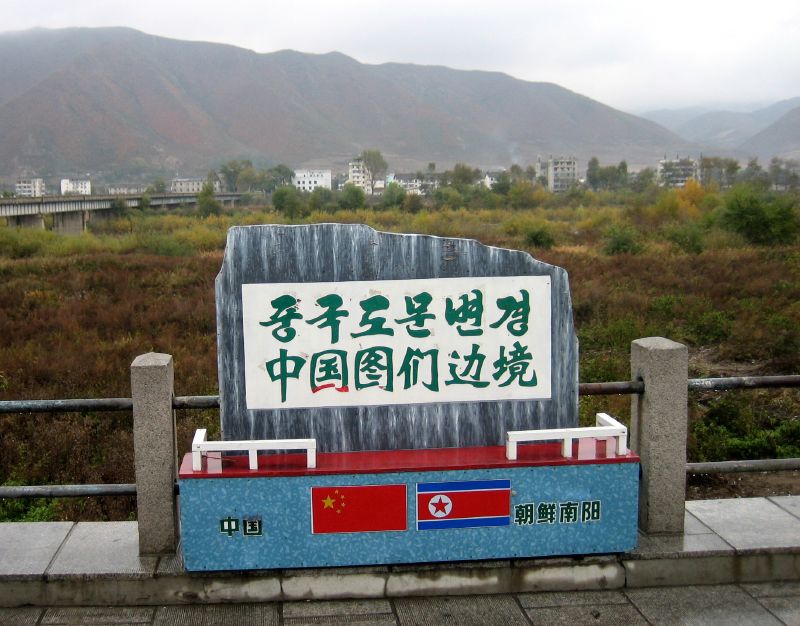
North Korea’s geography also makes revolt harder. The country is bordered by South Korea’s militarized frontier, China, Russia, and the sea. The Demilitarized Zone is one of the most heavily guarded borders in the world, and routes through China depend on secrecy, brokers, bribery, and luck.
Inside the country, movement is also controlled. Citizens often need permission to travel between regions, especially toward Pyongyang or sensitive border areas.
This limits people from different provinces’ ability to meet, coordinate, and quickly spread unrest. A revolution needs movement. North Korea restricts movement as a matter of political survival.
Pyongyang Is Protected From the Worst Visible Anger
Capitals matter in revolutions. When protests reach the capital, the world notices, elites panic, and regimes can suddenly look weak.
North Korea protects Pyongyang carefully by controlling who can live there, who can travel there, and who receives better access to food, housing, jobs, and privileges.
This creates a political shield around the regime’s most important stage. The people most likely to be seen by foreign visitors or state media are often more privileged than citizens in poorer provinces.
That does not remove suffering, but it reduces the chance that the capital becomes the first open center of rebellion.
The Regime Controls Time, Memory, and National Identity
North Korea’s dictatorship not only controls police and borders. It controls the national story. Citizens grow up within a political mythology that links the Kim family to survival, independence, military strength, and resistance to foreign domination.
This matters because revolutions need a new story. People must believe the country can exist without the ruling family. North Korea has spent decades making that idea feel forbidden, frightening, or unimaginable.
The state presents loyalty as patriotism and doubt as betrayal. That emotional control can be as important as physical control.
Why North Korea’s People Do Not Simply “Rise Up”
The question “Why don’t North Koreans revolt?” can sound simple, but it risks blaming the victims of one of the world’s most controlled societies. People do not need courage alone to rebel.
They need communication, trust, food security, leadership, safe networks, outside information, and a believable path to success.
North Korea has built a system designed to remove those ingredients. It isolates people from the world, separates them from one another, threatens their families, controls movement, criminalizes information, and makes survival itself a full-time struggle.
The result is not passive acceptance. It is enforced paralysis.
The Real Answer Is Control, Not Contentment
North Korea has not avoided revolution because its people are happy. It has avoided revolution because the regime has spent generations designing a society where rebellion becomes isolated, terrifying, and nearly impossible to coordinate.
The system attacks trust before it becomes an organization. It attacks information before it becomes a comparison. It attacks families before courage becomes action.
That is why the absence of revolution should not be mistaken for loyalty. Silence in North Korea is not proof of consent. It is often the sound of a population forced to survive inside one of the most carefully controlled political systems on earth.