Florida’s Housing Boom Raises Concerns as More Residents Live in Cars and Tents
Florida is often sold as a symbol of sunshine, opportunity, and rapid economic growth. Glass towers rise across Miami, Orlando, Tampa, Fort Lauderdale, and West Palm Beach, reshaping skylines with luxury apartments, high-end rentals, and modern developments aimed at affluent buyers and new arrivals.
But behind the polished marketing and booming construction, another reality is unfolding quietly in parking lots, under bridges, and along highway edges. Thousands of Floridians are now living in cars, RVs, and makeshift tents, not by choice but because housing has slipped out of reach.
This growing divide between luxury expansion and survival-level living has become one of the most striking social contrasts in the state’s modern history.
The housing gap that keeps widening
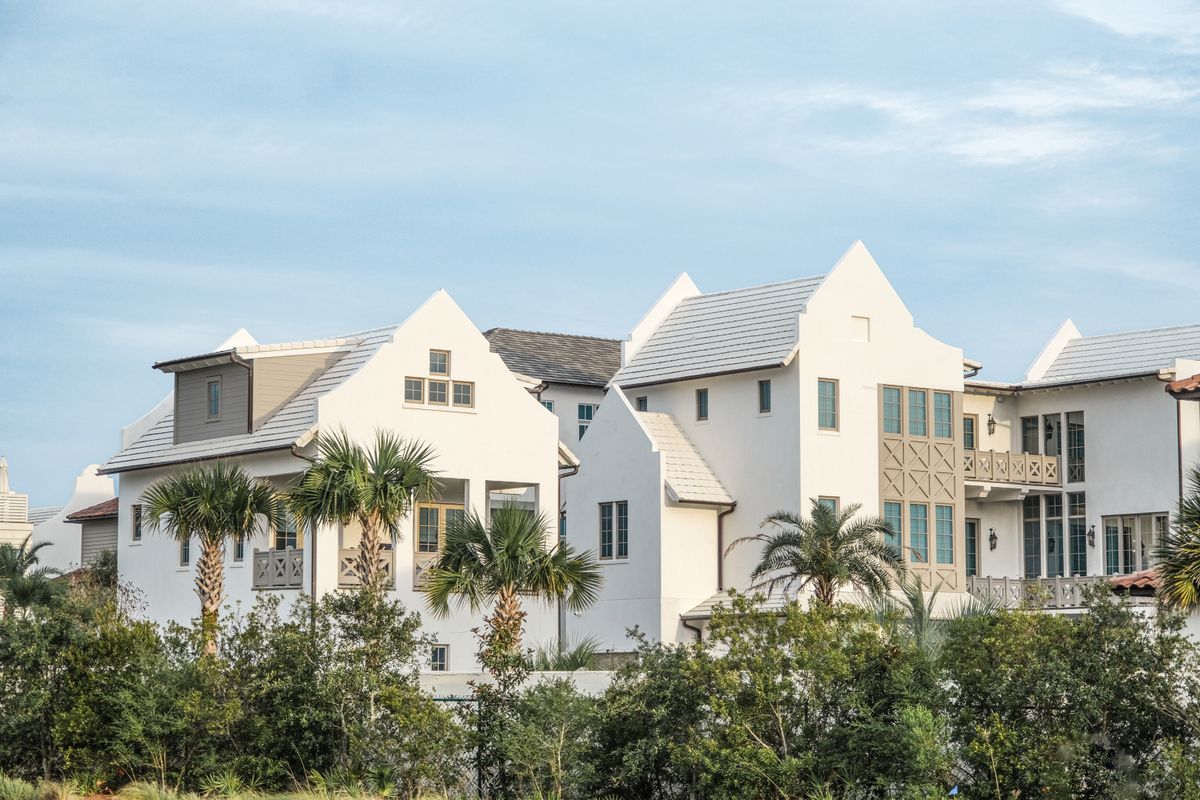
At the center of the crisis is a simple but urgent imbalance: housing costs are rising far faster than incomes. While developers continue to build high-end apartments with rents starting well above $2,000, or even $3,000, per month, affordable units are disappearing at a rapid pace.
Reports highlighted in the article show that nearly 60 percent of rental units under $1,000 have vanished over the past decade. At the same time, high-priced rentals have increased several fold, leaving working families, retirees, and low-income residents with fewer and fewer options.
The result is not just housing stress, it is displacement. Entire households are being pushed out of traditional rental markets and forced into unconventional living situations just to survive.
Living in cars, tents, and RVs is becoming a survival strategy.
Across Florida’s urban centers, vehicle living has become a visible but often ignored reality. Families sleep in cars parked behind grocery stores. Seniors rest in RVs in public parking lots. Workers commute from makeshift encampments, trying to maintain jobs while lacking basic stability.
This is not a temporary hardship for many; it is long-term survival.
Residents describe daily struggles that go far beyond housing insecurity. There is no guaranteed access to bathrooms, electricity, or safe storage. Meals are prepared on portable stoves. Children do homework in cramped back seats. Personal safety becomes a constant concern, especially during extreme weather conditions like Florida’s heat waves and hurricanes.
Outreach workers in cities like Orlando and Tampa report that many of these individuals are employed or caring for family members. The issue is not unemployment alone; it is that wages and housing costs no longer align.
Luxury towers rising while communities struggle below.
One of the most powerful contrasts highlighted in the article is the physical proximity between extreme wealth and extreme need. In Miami’s Brickell district, for example, new high-rise towers offer luxury living with rents starting above $3,000 per month. These buildings feature rooftop pools, concierge services, and panoramic city views.
Yet just blocks away, outreach teams report families sleeping in cars with blankets pulled tight around children. In some cases, parents wake early to clean up in gas station bathrooms before school drop-offs or work shifts.
This contrast has become a symbol of inequality that is impossible to ignore. Social media has amplified these images, fueling public frustration and debate about whether development is benefiting communities or widening the gap between income groups.
Affordable housing promises that fall short
Florida has introduced programs and policies to address housing shortages, including workforce housing initiatives. However, many of these projects still fall outside the reach of those most in need.
Workforce housing often targets households earning 80 to 120 percent of the area median income. While that may sound inclusive on paper, it excludes the lowest-income residents entirely, the very group now experiencing the highest rates of displacement and homelessness.
Developers also benefit from zoning incentives and tax breaks designed to encourage construction. But critics argue these incentives often prioritize profitability over accessibility, resulting in more luxury units and fewer truly affordable homes.
The gap between policy intention and lived reality continues to grow.
The hidden cost of living without stable housing
Life in a vehicle or tent carries risks that extend far beyond inconvenience. Health conditions often worsen due to a lack of sanitation and access to medical care. Children face emotional stress and instability that affect school performance and development. Seniors are particularly vulnerable to heat, cold, and untreated health emergencies.
Mental health challenges are also rising. Constant uncertainty creates chronic stress, anxiety, and trauma. Service providers report increased cases of depression and substance abuse among those living without a stable shelter.
What makes this crisis more difficult is its invisibility. Unlike traditional homelessness shelters or encampments, vehicle living spreads people across cities in ways that make them harder to count, track, or support consistently.
A system struggling to keep up.
Nonprofit organizations and outreach programs across Florida are working to respond, but demand far exceeds available resources. Food distributions, temporary shelters, hygiene kits, and mobile support services are stretched thin.
Volunteers describe long lines of people waiting for assistance, while nearby parking lots quietly fill with those who cannot find shelter for the night. Even with strong community effort, the scale of need continues to outpace support systems.
At the same time, construction costs, zoning restrictions, and lengthy approval processes slow down the development of affordable housing. Luxury developments, however, continue moving forward more quickly due to higher profitability and strong investor demand.
This imbalance has created a cycle in which luxury expands rapidly while affordability lags.
The broader question Florida now faces
At its core, the situation raises a difficult question: what kind of housing system is Florida building?
Is housing primarily a market-driven luxury commodity, or a basic human necessity that should remain accessible across income levels?
As luxury towers continue to rise across Florida’s skyline, thousands of residents remain in survival mode just below them. Families sleeping in cars are not invisible because they are rare; they are invisible because they are spread across everyday spaces that most people pass without noticing.
Without major policy shifts, increased investment in affordable housing, and stronger protections for low-income residents, the divide is likely to deepen further.
A state at a turning point
Florida’s growth story is real, but it is also uneven. The same state that attracts global investment and luxury development is also facing a growing humanitarian challenge that cannot be hidden behind glass towers.
The contrast between prosperity and struggle is now part of the same skyline. And as more families are pushed into vehicles and tents, the pressure on lawmakers, developers, and communities continues to rise.
Florida is not just building upward. It is also being forced to confront what is being left behind.