9 Reasons Walmart and Kroger’s Price Cuts Feel Like a Grocery War Shoppers Can’t Ignore
The grocery aisle has become one of America’s most stressful battlegrounds.
A shopper can walk in for eggs, milk, cereal, meat, fruit, and paper towels, then leave wondering how a regular cart can start to feel like a luxury purchase. That frustration is now forcing some of the country’s biggest grocery chains to do something customers have been demanding for years.
Lower the bill.
Walmart, Kroger, H-E-B, and other major retailers are cutting or promising to cut prices on thousands of items as they fight harder for shoppers who are tired of inflation, warehouse memberships, digital coupons, and confusing shelf tags. The move sounds like good news, but it also raises a sharper question.
If stores can suddenly lower prices now, why did so many shoppers have to feel squeezed for so long?
Shoppers Finally Hit Their Breaking Point

Gustavo Fring via Pexels
For many families, grocery shopping no longer feels routine. It feels like a weekly negotiation with reality.
Food prices are still higher than many Americans remember from just a few years ago, and even small increases add up fast when households are buying the same basics every week. Parents notice it. Retirees notice it. Young workers notice it.
That pressure has changed shopper behavior. People are switching stores, buying fewer name brands, hunting for digital coupons, and comparing prices with the seriousness of a part-time job.
Walmart Is Leaning Hard Into the Savings Message
Walmart has long built its grocery reputation around low prices, but the current market has made that reputation even more valuable.
According to KPRC Houston, Walmart says it has already reduced prices on more than 7,000 items. That is not a small adjustment. That is a direct message to shoppers who are walking into stores with tighter budgets and less patience.
The move also puts pressure on rivals. When Walmart cuts prices loudly, other chains cannot simply hope shoppers will stay loyal out of habit.
Kroger Knows It Cannot Look Expensive Right Now
Kroger is also preparing to cut prices across thousands of products, according to Reuters. New CEO Greg Foran has pushed the idea that the grocery basket needs to come down in price.
That phrase matters because shoppers do not think in corporate categories. They think in carts. They think in receipts. They think about whether the same family dinner now costs more than it should.
Kroger’s challenge is clear. If shoppers believe Walmart, Costco, Aldi, or Sam’s Club can save them more money, Kroger has to fight harder to keep them from leaving.
Warehouse Clubs Are Making Regular Grocery Stores Sweat
Costco and Sam’s Club have changed the way many families think about value.
A warehouse membership used to feel optional. Now, for some households, it feels like a survival strategy. Buying in bulk can make sense when families are trying to cut the cost per meal, per snack, or per household item.
That creates a problem for traditional grocery chains. They cannot always match the warehouse model, but they cannot ignore it either. If shoppers believe bulk buying gives them more power, regular supermarkets must prove they still deserve the weekly trip.
Aldi and Other Discounters Are Quietly Raising the Pressure
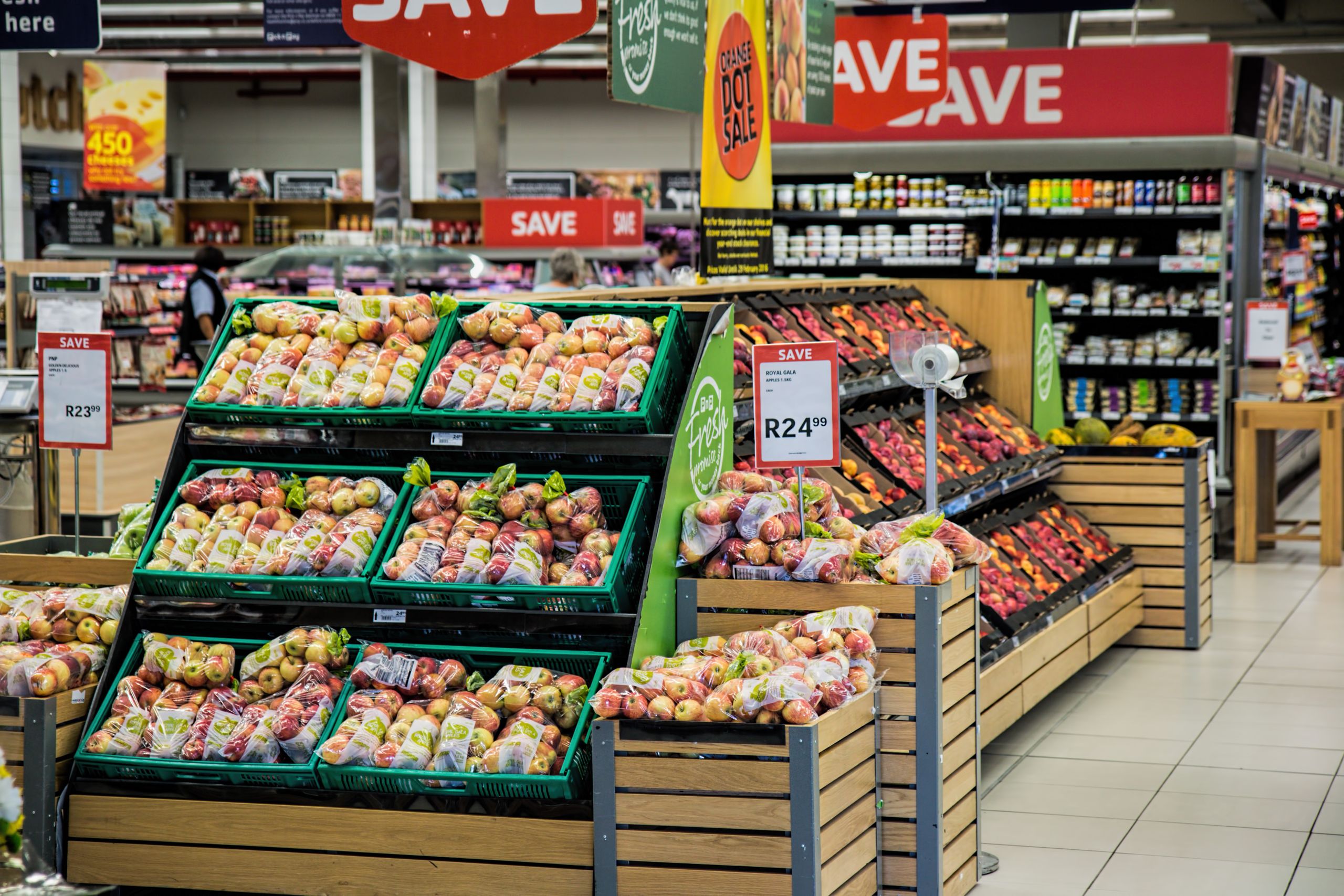
The grocery war is not only about Walmart versus Kroger.
Aldi, Lidl, dollar stores, regional chains, and store-brand heavy retailers have trained shoppers to question whether name-brand prices are worth it. Once customers learn that a cheaper private label product works just fine, some never fully go back.
That is dangerous for traditional grocers. Loyalty gets weaker when shoppers feel financially cornered. The store that saves them $20 this week may win their basket next week, too.
Store Brands Are Becoming the Real Weapon
The most powerful savings may not come from a flashy sale sign. It may come from the store brand sitting quietly beside the famous label.
Store brand groceries often cost less because retailers control more of the pricing, packaging, and supply chain. For shoppers, that can mean cheaper soup, cereal, cheese, milk, snacks, pasta, frozen food, and household basics.
This is where the grocery fight gets personal. If a family can save money without feeling like the quality has dropped, big national brands may lose shelf space in the cart.
The Price Cuts May Not Feel Equal Everywhere
Here is the part shoppers should watch carefully. A national announcement does not always mean every customer feels the same relief.
Prices can vary by region, store, product, supply chain, local competition, and timing. A shopper in Houston may see different savings than a shopper in Phoenix, Cincinnati, Atlanta, Los Angeles, or rural America.
That is why consumers should not assume one chain is automatically cheapest. The smarter move is to compare the items they actually buy most often, not just trust the headline.
Inflation Is Still the Shadow Over Every Receipt
The price cuts are arriving because consumers remain under pressure.
BLS data showed overall inflation at 4.2% for the year ending in May 2026. Food at home rose 2.7%, while restaurant prices rose even faster at 3.5%.
That matters because shoppers are feeling pressure on both sides. Cooking at home still costs more than many families want to pay. Eating out is not exactly a cheap escape either.
So when stores announce price cuts, the public reaction may be mixed. People may welcome relief, but they may also wonder why basic groceries had to become so painful before retailers moved more aggressively.
The Real Winner May Be the Shopper Who Refuses to Be Loyal
The old grocery habit was simple. Pick a store, shop there every week, and trust that convenience was worth it.
That habit is weaker now.
Today’s shopper may buy meat at one store, paper goods at a warehouse club, produce at a discount chain, snacks from a store brand line, and household staples wherever the app shows the best deal. That may sound exhausting, but for many families, it feels necessary.
This is the uncomfortable lesson for grocery giants. Shoppers are not just looking for lower prices. They are looking for proof that stores understand how tired they are of being squeezed.
Walmart, Kroger, and other chains may call these price cuts a response to competition. Shoppers may see something different.
They may see proof that pressure works.
And that is the conversation grocery stores probably do not want to loudly have in the aisle: if prices can come down when shoppers start leaving, how many other products were too high for too long?