President Trump’s Approval Rating Drops to Second-Term Low as New Poll Signals Midterm Warning for Republicans
Public support for President Donald Trump has slipped to its lowest point of his second term, according to a new NBC News poll released as political pressure builds ahead of the upcoming midterm elections.
While no legal or criminal allegations are involved, the sharp shift in voter sentiment is being closely watched in Washington because approval ratings often influence legislative power, party strategy, and election outcomes that shape federal policy.
What the new poll shows
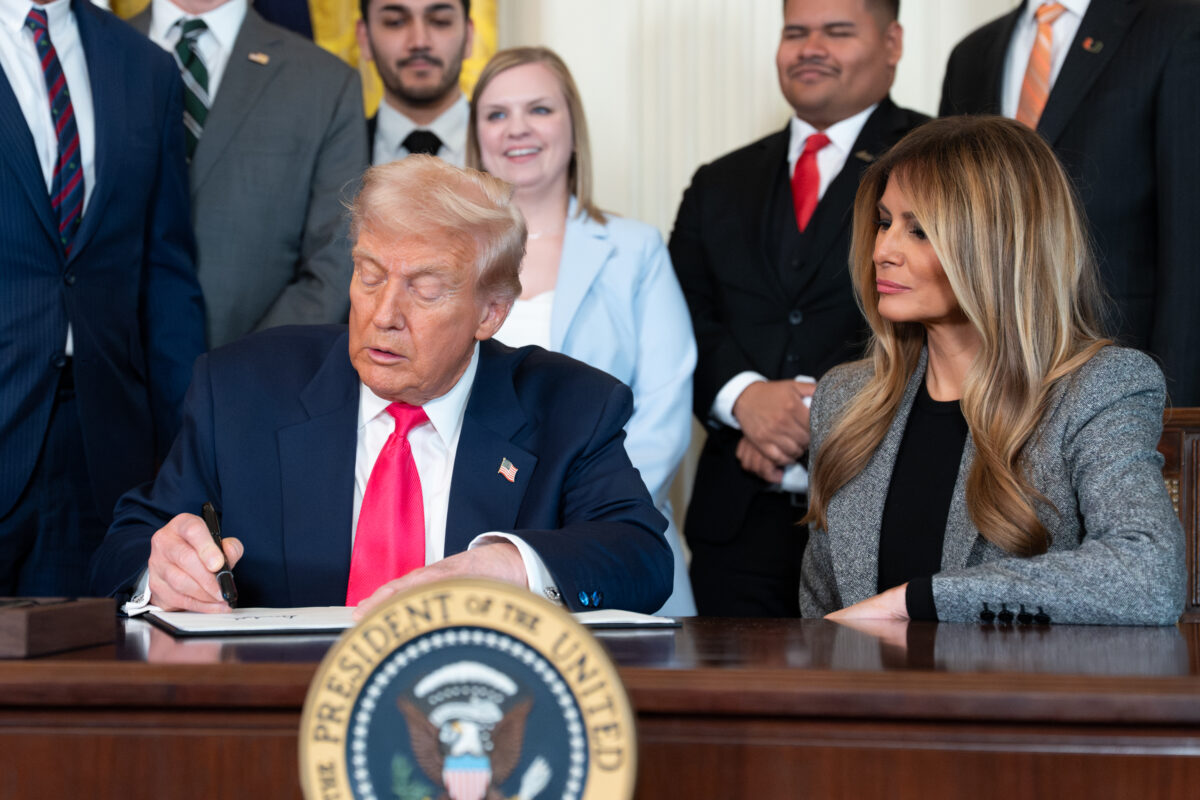
According to NBC News polling conducted with registered voters, Trump’s approval rating now stands at 39% among U.S. adults, marking a new second-term low. The survey was conducted between May 29 and June 7 and included about 2,400 registered voters.
The results also show a notable decline in support among rural voters, a key political base for Trump in both his 2016 and 2024 election victories. Approval in rural areas reportedly fell to around 50%, down significantly from earlier levels in the year.
Pollsters noted that while Republican support remains strong, it has softened slightly, with 82% of Republicans still approving of Trump’s performance, compared to higher levels earlier in the year.
Why this matters to voters and local communities
Approval ratings are more than just political numbers. They often signal how voters feel about issues that directly affect daily life, including the economy, inflation, and cost of living.
The NBC survey and related polling also highlight growing concern over economic pressure, including rising grocery and fuel prices. These concerns are increasingly shaping voter sentiment in rural and working-class communities that have traditionally formed a key part of Trump’s support base.
For many households, these shifts are not abstract political trends. They reflect real frustrations over budgets, wages, and financial stability heading into a critical election year.
Background: shifting political momentum ahead of the midterms
The new polling comes at a time when both parties are preparing for a tightly contested midterm election cycle. Democrats are hoping to regain control of Congress, while Republicans are working to maintain narrow majorities in both the House and Senate.
According to the NBC survey, 49% of registered voters said they prefer Democratic control of Congress, compared to 44% who favor Republican control. A small share of voters remains undecided.
Political analysts say these numbers suggest a competitive environment where small changes in voter turnout or public opinion could have a major impact on election results.
Historically, sitting presidents often see approval fluctuations during midterm cycles, especially when economic concerns dominate public discussion. In this case, inflation and cost-of-living pressures appear to be central issues influencing voter sentiment.
How Republicans and Democrats are reacting
Republican strategists acknowledged that the numbers present challenges, though they stopped short of describing the situation as a crisis.
One GOP-affiliated pollster described the results as “rocky but not catastrophic,” suggesting that while support has slipped, the party’s core base remains largely intact.
Democratic strategists, meanwhile, pointed to the same data as evidence that they remain competitive in key districts. They argue that ongoing concerns about the economy and household costs could give Democrats an opening in swing regions.
Despite the political divide, both sides appear to agree on one point: the midterms will be closely contested and heavily influenced by voter turnout.
What happens next in the political landscape
The next major checkpoint will be continued polling over the summer as campaigns ramp up messaging ahead of the November elections.
Candidates from both parties are expected to focus heavily on economic issues, including inflation, wages, and the cost of living, as they attempt to connect with undecided voters.
Party leadership in Congress will also be watching approval trends closely, as they often shape fundraising, candidate recruitment, and strategic targeting in competitive districts.
While no immediate policy changes are tied directly to the poll results, political observers say sustained declines in approval can increase pressure on administrations to adjust messaging or policy priorities heading into election season.
Why this matters going forward
At its core, the new NBC poll highlights a familiar but critical dynamic in American politics: public approval can shift quickly, especially when economic conditions feel uncertain.
For voters, the numbers reflect more than political competition. They signal how people experience everyday pressures and how those experiences shape trust in leadership.
With the midterms approaching, both parties now face a familiar reality. Voter sentiment is fluid, competition is tightening, and small shifts in approval could translate into major changes in political control.
As the campaign season intensifies, this poll serves as an early warning sign that the political landscape heading into November is far from settled.