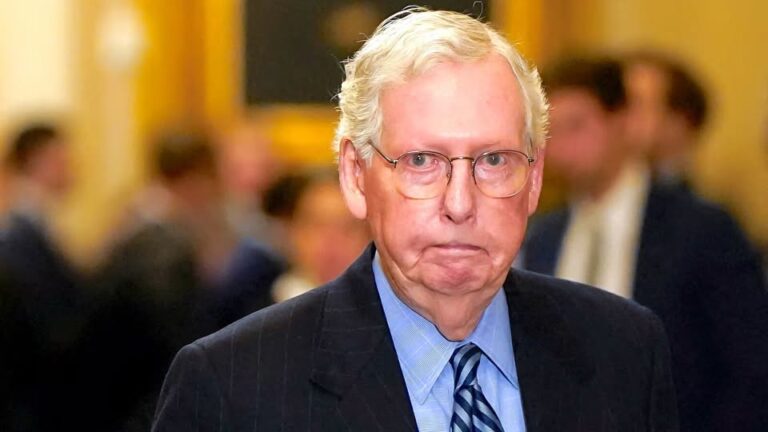
Trump Gave Up the Easy Life. His Supporters Say That Is the Point.
Donald Trump did not enter American politics as a hungry unknown trying to climb the ladder. That is what makes his story so unusual, so divisive, and, to his supporters, so magnetic.
Before politics swallowed his life whole, Trump was already famous, rich, loud, branded, televised, and surrounded by the kind of luxury most politicians spend their careers pretending not to enjoy. He had towers with his name on them, golf courses, a prime-time television identity, private clubs, and the freedom to spend his days doing what billionaires usually do: making deals, picking fights when convenient, and living comfortably behind velvet ropes.
Then he walked into politics.
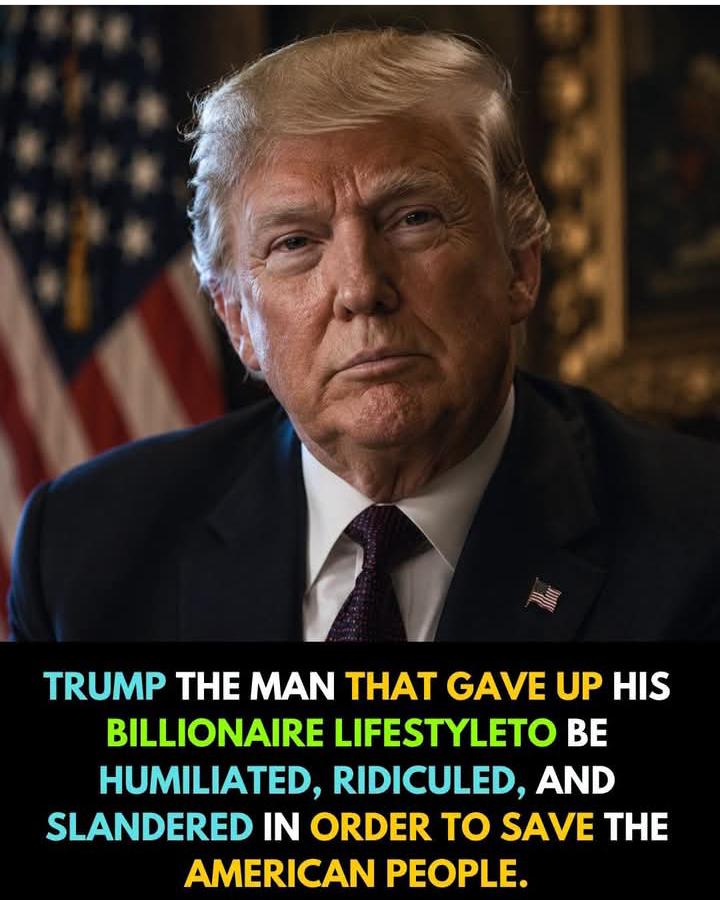
And politics did what politics does. It chewed him up, mocked him, investigated him, impeached him twice, indicted him, convicted him, turned him into the center of America’s loudest family argument, and still could not push him off the stage. For Trump’s most loyal supporters, that is the whole story in one sentence: a billionaire with an easy life stepped into the fire because he believed the country was worth the beating.
The trick is separating the legend from the record. Trump did not become poor. He did not disappear from luxury. He remained a wealthy man. But it is also true that he traded a celebrity-business life for a public life of constant political warfare. Whether that was sacrifice, ambition, duty, ego, or some explosive cocktail of all four depends on whom you ask.
From Gold Elevators to Political Grenades
Trump’s political origin story still feels like a scene written too dramatically for television. On June 16, 2015, he came down the escalator at Trump Tower and announced he was running for president. He told the crowd, “I am officially running for president of the United States,” then added the line that became the engine of a movement: “we are going to make our country great again.”
That was not a quiet career change. It was a grenade rolled into the marble lobby of American politics.
At the time, Trump was not selling himself as a polished statesman. He was selling himself as the outsider who knew the system because he had played around it, through it, and above it. He talked like a businessman, not a senator. He bragged. He insulted. He exaggerated. He entertained. And millions of voters who felt ignored by Washington heard something they had been waiting to hear: someone was finally saying the quiet part loudly.
By the 2016 Republican National Convention, Trump had sharpened the message into a promise. “I’m With You,” he told Americans, “and I will fight for you, and I will win for you.” That line became more than campaign poetry. It became the emotional contract between Trump and his base.
Supporters heard loyalty. Critics heard strongman politics. Either way, nobody missed the message. Trump was no longer just a rich celebrity with opinions. He was the Republican nominee, and the old political class had failed to stop him.
That is where the “he gave up his lifestyle” argument begins. It is not really about money. It is about comfort. Trump had status before he ran. He had fame before he ran. He had access before he ran. He did not need Washington to make him famous. Washington needed to figure out what to do with him.
The Cost of Becoming the Main Character
Once Trump became president, the old celebrity rules vanished. A bad headline was no longer just a bad headline. A joke on late-night television became part of a national argument. A lawsuit became a campaign issue. A criminal case became a political earthquake.
Trump’s supporters often describe the years since 2015 as proof that he walked into a trap meant for anyone who challenged the establishment. His critics argue that much of the trouble came from Trump’s own conduct, choices, and refusal to follow political norms. Both sides agree on one basic fact: no modern American politician has lived under a spotlight quite like his.
The record is heavy. Trump was impeached twice during his first term. After leaving office, he faced multiple criminal and civil cases. In May 2024, a New York jury found him guilty on 34 counts of falsifying business records. Trump rejected the case as political, calling the trial “rigged” and “a disgrace.” President Joe Biden answered with the opposite message, saying the verdict reaffirmed that “no one is above the law.”
That contrast explains the Trump era better than almost anything else. To his base, every charge proves the system is terrified of him. To his opponents, every charge proves the system is finally holding him accountable. Same facts. Different movie.
Then came Butler, Pennsylvania, in July 2024, when Trump survived an assassination attempt at a campaign rally. One attendee, Corey Comperatore, was killed, and others were injured. The image of Trump standing with blood on his face and his fist raised became one of the defining images of his political life. To supporters, it looked like defiance. To critics, it was another moment that deepened the country’s already dangerous political temperature.
This is why the “sacrifice” story lands so powerfully with his voters. They see a man who could have stayed on television, played golf, cut deals, and enjoyed applause from polite society. Instead, they see someone who chose a path where every word became a weapon and every courtroom became a battlefield.
The Bigger Question: Sacrifice, Ego, or Mission?
The honest answer is that Trump’s motivation cannot be proven from the outside. No journalist, critic, supporter, or historian can climb inside his head and declare with certainty that he did it only to save America, only to feed his ego, or only to protect his brand.
What can be verified is what Trump has said about himself. In a 2024 interview with Joe Rogan, he described his pre-political life as “very wonderful,” while saying he still wanted to run. He also recalled being told, “Nobody gives up prime time,” because “The Apprentice” was still part of his public identity.
That quote matters because it captures the strange comedy of Trump’s rise. Most politicians spend years begging television producers to notice them. Trump already had a television. Most candidates want donor networks. Trump already had his own name as a fundraising machine. Most public figures dream of being recognized. Trump could barely walk into a room unnoticed.
So why do it?
His supporters answer simply: because America needed him.
His critics answer just as simply: because Trump needed the stage.
The truth may be messier, more human, and more American than either slogan. Trump is a man of enormous appetites: for attention, loyalty, combat, victory, and legacy. But he is also a man who tapped into something real. Millions of Americans did feel mocked, priced out, talked down to, and politically abandoned. Trump gave those voters a champion who sounded angry enough to match their frustration.
That is why his story still works with his base. They do not see a billionaire playing victim. They see a wealthy man who had every reason to avoid the mess and jumped into it anyway.
When Trump returned to office in 2025, he declared, “The golden age of America begins right now,” and promised to “put America first.” For supporters, it was the comeback chapter. For opponents, it was a warning sign. For everyone else, it was proof that the Trump story was not finished.
Love him or loathe him, Trump changed what Americans expect from politics. He turned campaigns into combat sports, press conferences into cliffhangers, and personal loyalty into a governing force. He made politics feel less like a polite debate and more like a street fight with better lighting.
Did Donald Trump give up a billionaire lifestyle to save the American people? That is a belief, not a fact, a reporter can certify.
But did he leave behind a far easier life to become the most attacked, defended, investigated, celebrated, mocked, and impossible-to-ignore political figure in modern America? That part is hard to deny.
And for his supporters, that is enough.