Trump Threatens Canada With Tariff Bill Over Wildfire Smoke
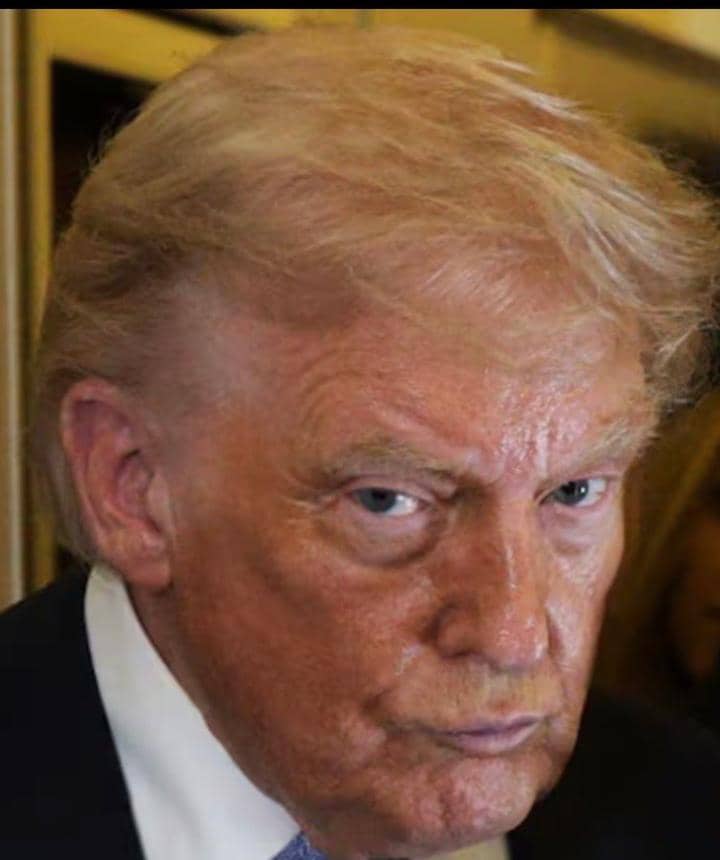
Wildfire smoke does not stop at customs checkpoints, show a passport, or ask permission before crossing an international border. But President Donald Trump says Canada should pay a financial price for the thick haze that has spread across much of the United States.
In a Truth Social post on Friday, July 17, 2026, Trump accused Canada of failing to maintain its forests and described the drifting smoke as an unacceptable invasion of American airspace.
“We are holding Canada responsible for the fact that they are not properly maintaining their Forests,” Trump wrote. He said the United States was being “unnecessarily invaded by filthy, polluted, and unhealthy air,” calling the conditions dangerous and unacceptable.
Trump went further by describing Canada’s response as “Willful Negligence.” He claimed the smoke was costing the United States billions of dollars and said those costs should be added to tariffs already imposed on Canadian goods. His post did not identify a proposed tariff rate, explain how pollution costs would be calculated, or establish when any new charges might begin.
Smoke Turns Into a Trade Dispute
The president’s statement arrived as smoke from hundreds of Canadian wildfires covered a massive section of the United States, stretching from the Great Lakes through the Northeast and into the Mid-Atlantic.
More than 100 million Americans were under some form of air quality alert. Residents in several communities were told to limit outdoor exercise or remain inside as unhealthy air settled over major population centers. Chicago temporarily closed parks and beaches along Lake Michigan, while smoke turned skylines from Minneapolis to Washington, D.C., an unsettling orange-brown.
The danger is not simply the smell or the reduced visibility. Wildfire smoke contains extremely small particles known as PM2.5, which can travel deep into the lungs and enter the bloodstream. According to AirNow, these particles can irritate the eyes and respiratory system, aggravate heart and lung conditions, and contribute to serious health problems among vulnerable people.
Children, older adults, pregnant people, outdoor workers, and those with asthma or cardiovascular disease face greater risks. However, even healthy adults can experience coughing, headaches, burning eyes, shortness of breath, or reduced lung function during severe smoke events.
Trump’s tariff proposal adds an economic weapon to what has traditionally been treated as a shared environmental emergency. Although political leaders frequently describe tariffs as money paid by another country, U.S. Customs and Border Protection says the importer of record pays estimated duties when products enter the United States. Those costs may later be absorbed by businesses or passed along to consumers.
Canada Says It Is Already Fighting Back
Canadian officials rejected the suggestion that the country has simply allowed its forests to burn unchecked.
Canada’s emergency management minister, Eleanor Olszewski, said the government had invested about 12 billion Canadian dollars in forest sustainability and fire prevention since 2020. She also pointed to the long history of American and Canadian agencies helping one another fight fires on both sides of the border.
“At this time, our first priority is protecting Canadians and keeping communities safe,” Olszewski said.
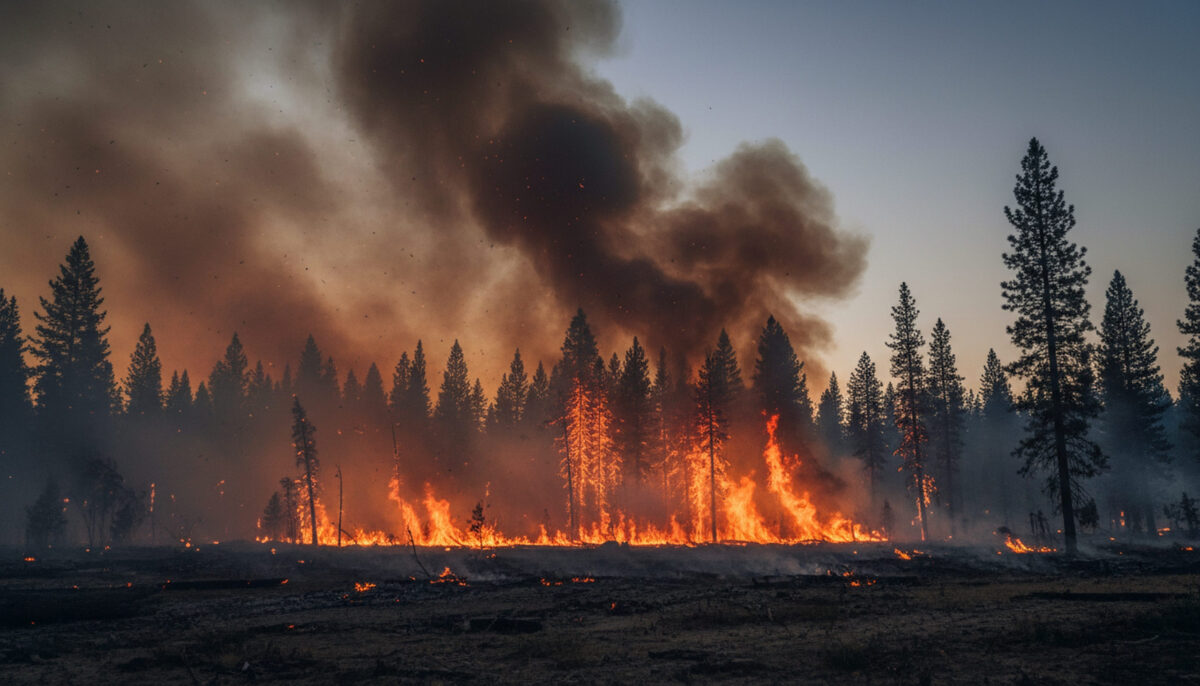
The crisis has already devastated Canadian communities. In northwestern Ontario, the Namaygoosisagagun First Nation was destroyed, forcing residents to flee by boat. Thousands of people have been evacuated across the province, and Thunder Bay officials said the city had reached capacity while sheltering displaced residents.
Ontario Premier Doug Ford announced that the province would purchase 11 additional aircraft to strengthen its firefighting fleet. About 650,000 acres had burned in Ontario by July 17, exceeding the area burned at the same point in 2025.
Scientists say forest management is only one part of the picture. Warmer temperatures pull moisture from soil, trees, and other vegetation, creating dry fuel that allows fires to ignite more easily and spread more aggressively.
“As our climate warms, we’re seeing more extreme weather, and we’re going to see more fire,” wildland fire professor Mike Flannigan told Reuters.
America Is Fighting Its Own Flames
Trump’s criticism also comes as the United States confronts an intense wildfire season of its own.
As of July 17, American crews were suppressing 68 large fires. More than 17,000 firefighters and support personnel had been deployed, while approximately 3.7 million acres had burned nationwide during 2026. The National Interagency Fire Center placed the country at Preparedness Level Four, one step below the highest level.
That reality complicates attempts to assign the entire crisis to one government. Canada can review forest policies, expand prescribed burning, purchase aircraft, and strengthen emergency services. Yet neither country can fully control lightning, drought, extreme heat, shifting winds, or the enormous remote forests where many fires begin.
Trump said he planned to contact Canadian Prime Minister Mark Carney about the smoke. Whether that conversation produces new cooperation or another round of tariffs remains uncertain.
The smoke is real, the health risks are serious, and communities on both sides of the border are paying the price. But tariffs cannot clear the sky. Only preparation, firefighting resources, responsible land management, and cross-border cooperation can begin addressing a danger carried freely by the wind.