Hidden Cameras Found in Vacation Rentals Spark New Privacy Concerns: Here’s How Florida Travelers Can Protect Themselves.
For many travelers, a vacation rental is supposed to feel like a home away from home, a private place to relax after a long day of exploring, spend time with family, or enjoy a quiet getaway. But growing concerns about hidden cameras in rental properties are changing the way people think about travel safety.
Stories of guests discovering unauthorized recording devices have sparked renewed fears about privacy in short-term rentals, hotels, and private accommodations. While incidents involving hidden cameras remain uncommon compared with the millions of safe stays booked every year, the possibility of being secretly recorded has become a serious concern for many travelers.
The issue has gained attention because modern technology has made surveillance devices smaller, cheaper, and easier to hide. A camera that once required obvious equipment can now be disguised inside everyday objects, creating new challenges for guests who want to protect their personal space.
The question many travelers are now asking is simple: How can people enjoy the convenience of vacation rentals while making sure their privacy is protected?
The Growing Concern Over Hidden Cameras in Vacation Rentals

The popularity of short-term rental platforms has completely changed the travel industry.
Instead of choosing only traditional hotels, millions of people now stay in private homes, apartments, cabins, and vacation properties. These rentals often provide more space, kitchens, unique locations, and a more personal travel experience.
But private accommodations also create a different type of privacy challenge.
A hotel usually has established security procedures, employees, and management systems. Vacation rentals, however, can vary greatly depending on the individual host, property manager, and location.
Most hosts respect guest privacy and follow platform rules. However, reports of hidden cameras have raised concerns because guests often have limited knowledge of the devices present in a property before arriving.
The fear becomes especially serious when cameras are placed in areas where people expect complete privacy, such as bedrooms, bathrooms, or changing areas.
For travelers, the issue is not just about technology. It is about trust.
Why Hidden Cameras Are Becoming Easier to Hide
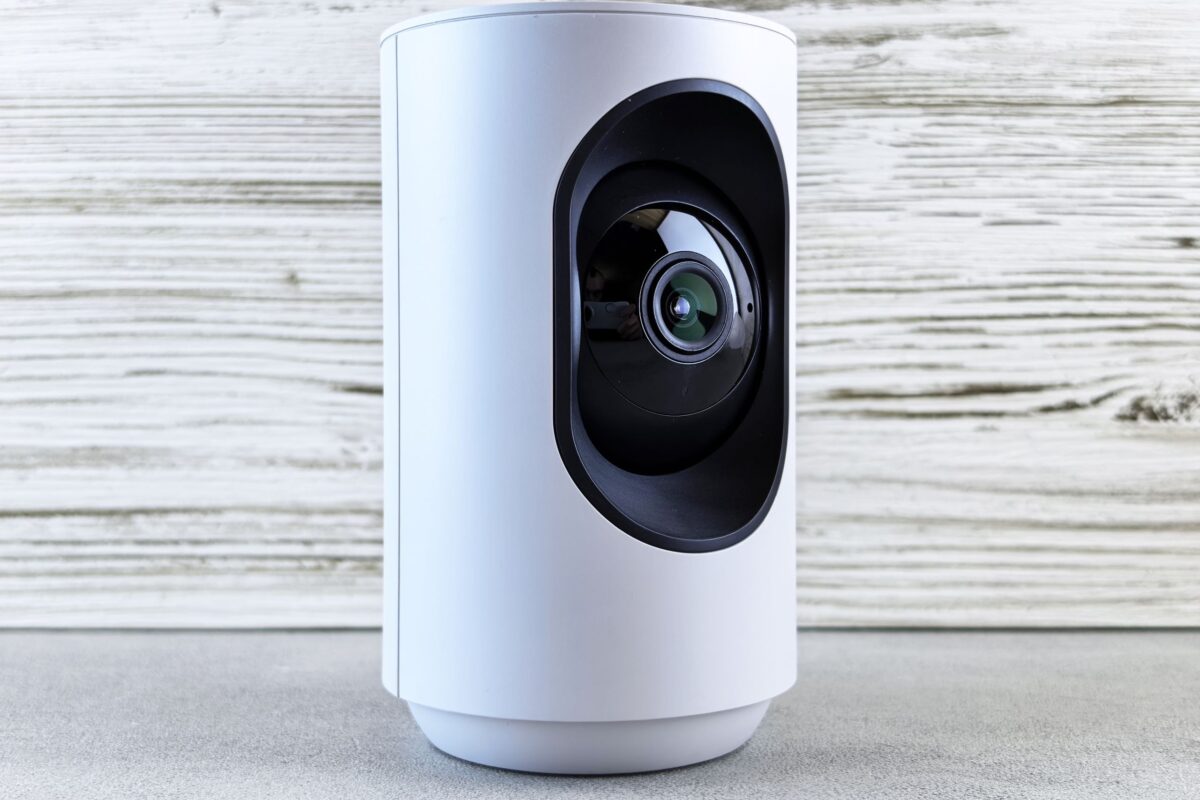
One reason concerns about hidden cameras have increased is the rapid development of surveillance technology.
Small cameras are now widely available and can be built into objects that appear completely ordinary. Some devices are designed to blend into their surroundings, making them difficult for an untrained person to notice.
Potential hiding places reported in privacy cases have included:
- Alarm clocks
- Smoke detectors
- USB chargers
- Power adapters
- Decorative objects
- Electronic devices
- Wall fixtures
However, experts emphasize that travelers should not assume every unusual object is a threat.
Many normal household devices contain sensors, lights, or cameras for legitimate reasons. The goal is not to become suspicious of everything inside a rental property.
Instead, travelers should pay attention to objects that seem unnecessary, unusually positioned, or directed toward private areas.
A simple awareness check can help guests feel more confident without creating unnecessary fear.
The Legal Problem Behind Secret Surveillance

Hidden cameras are not only a privacy concern they can also create serious legal consequences.
In many regions, recording someone in a private setting without their knowledge may violate surveillance and privacy laws. The rules vary depending on location, but the general principle is consistent: people have a right to privacy in spaces where they reasonably expect to be alone.
Bathrooms and bedrooms are among the most protected areas because guests expect those spaces to remain private.
Short-term rental companies have responded by adopting policies requiring hosts to disclose the presence of certain recording devices.
For example, many platforms allow security cameras in some outdoor areas when properly disclosed but prohibit hidden cameras or undisclosed recording equipment inside private spaces.
Despite these policies, enforcement remains difficult because illegal activity can happen without the rental company’s knowledge.
That is why personal awareness remains important.
How Travelers Can Check a Vacation Rental for Privacy Risks
Experts recommend that travelers take simple steps when entering a rental property.
The first step is a basic visual inspection.
Guests can look around the property and ask practical questions:
- Is there any device facing a bed or private area?
- Does an object appear unusual or unnecessary?
- Are there electronics positioned where they would not normally belong?
Travelers can also pay attention to small details, such as unexpected holes, blinking lights, or objects placed at unusual angles.
Some privacy experts suggest using a flashlight to look for reflections from camera lenses. Because camera lenses can reflect light differently from surrounding surfaces, this method may help identify suspicious devices.
Another method involves checking connected devices.
Some travelers use network scanning tools to see what devices are connected to the property’s Wi-Fi. While this does not guarantee detection, it can reveal unfamiliar devices that deserve further attention.
However, technology is not perfect. The most important tool remains careful observation and common sense.
What To Do If You Discover a Suspicious Camera
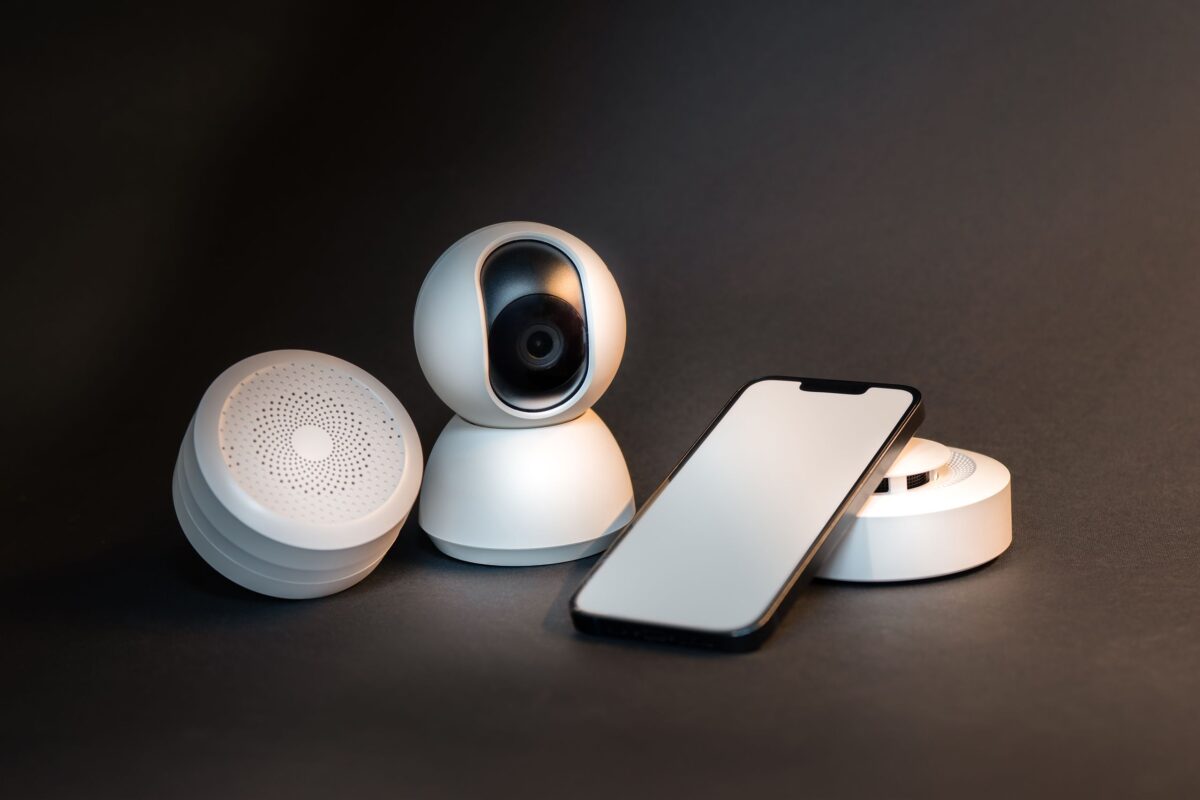
Finding what appears to be a hidden camera can be frightening. However, experts recommend staying calm and documenting the situation carefully.
Travelers who discover a suspicious device should consider the following steps:
- Do Not Immediately Destroy the Device
Although the first reaction may be anger or fear, damaging the equipment could remove important evidence.
Instead, take photographs or videos showing where the device was located and how it was positioned.
- Contact the Rental Platform
Guests should report suspected privacy violations through the platform they used for booking.
Companies often have procedures for investigating complaints and protecting affected travelers.
- 3. Consider Contacting Local Authorities
If a device appears to be recording private activity without consent, reporting it to local law enforcement may be appropriate.
- 4. Protect Personal Information
Travelers should also consider whether sensitive information, conversations, or personal images may have been exposed.
The situation should be treated seriously, but claims should be based on evidence rather than assumptions.
Social Media Has Made Hidden Camera Stories Spread Faster
In recent years, social media has changed how travelers share safety concerns. A single post about a suspected hidden camera can reach millions of people within hours. These stories often create important conversations about privacy and consumer protection.
They also encourage travelers to become more informed. However, experts warn that viral posts should be carefully examined.
A strange-looking object does not automatically mean someone is being recorded. False accusations can damage property owners and create unnecessary panic.
Responsible reporting matters. Travelers should document what they find, seek confirmation, and use proper channels when reporting concerns.
The Bigger Privacy Debate Behind Vacation Rentals
The hidden camera issue reflects a much larger conversation about privacy in the digital age. Modern homes and rental properties increasingly rely on smart technology. Connected doorbells, automated systems, security devices, and internet-enabled appliances can improve convenience and safety.
But these technologies also raise questions about transparency. Guests want to know what devices are operating around them. They want clear rules. They want confidence that the private spaces they temporarily occupy are truly private.
As technology continues to advance, privacy expectations will likely become an even bigger part of the travel industry.
How Travelers Can Stay Safe Without Losing the Joy of Travel
The possibility of hidden cameras should not stop people from enjoying vacations. Millions of travelers safely use rental properties every year. Most hosts provide comfortable, respectful experiences for their guests.
The key is awareness. Travelers can protect themselves by understanding rental policies, inspecting unfamiliar spaces, and knowing what steps to take if something feels wrong. Privacy does not require fear.
It requires preparation. The future of travel will continue to involve technology, convenience, and new ways of experiencing the world. But as rental properties become smarter, protecting personal privacy must remain a priority.
A vacation should be about exploring new places, creating memories, and taking a break from everyday stress. The one thing travelers should never have to worry about is whether their private moments are being watched.