Netanyahu and Zohran Mamdani Clash Over ICC Warrant as New York Becomes the Center of America’s Israel Debate
The Netanyahu-Zohran Mamdani clash has turned a dispute over one possible visit into a defining political battle over international law, U.S. foreign policy, and the future of America’s relationship with Israel. What began as a disagreement over an International Criminal Court warrant has expanded into a wider debate about accountability, diplomatic immunity, and the limits of local government power.
The conflict between Israeli Prime Minister Benjamin Netanyahu and New York City Mayor Zohran Mamdani has placed New York at the center of a global political storm. Netanyahu says he plans to visit the city in September for the United Nations General Assembly despite Mamdani’s statement that he should not be welcomed because of the ICC warrant against him.
The Netanyahu-Mamdani clash is not simply a disagreement between two political figures. It reflects a deeper divide emerging across the United States over Israel, Gaza, international justice, and the role American leaders should play in global conflicts.
At the heart of the controversy is a difficult question: Can a city leader challenge a foreign leader accused by an international court, or does national authority always outweigh local political demands?
The Arrest Demand That Revealed the Limits of City Power

The most unusual part of the Netanyahu and Zohran Mamdani clash is that the central action driving the controversy is unlikely to happen. Mamdani has called for Netanyahu to face arrest if he enters New York, but legal experts have pointed out that the city does not have the authority to enforce an ICC warrant against a foreign prime minister.
The International Criminal Court operates under the Rome Statute, a treaty that the United States has not joined. Because Washington does not recognize the ICC’s general authority, American cities cannot simply act as enforcement arms for the court.
This legal barrier has created a major gap between political expectations and government reality. Many voters want leaders accused of serious crimes to face consequences, but international enforcement depends on national governments rather than municipal officials.
The dispute shows how modern political campaigns increasingly involve global issues that local leaders cannot directly control. Climate policy, immigration, foreign wars, and international justice often become local election issues even when city governments have limited authority.
Mamdani’s position reflects frustration among activists who believe powerful leaders should not avoid accountability. His critics argue that promising action beyond a mayor’s legal reach creates unrealistic expectations among voters.
The controversy has therefore become about more than Netanyahu’s possible arrest. It has become a debate about whether political leaders should promise symbolic action or focus only on policies they can legally implement.
Netanyahu’s UN Visit Could Turn Manhattan Into a Global Political Stage
Netanyahu’s expected appearance at the United Nations General Assembly has raised the stakes of the dispute. The annual gathering already attracts world leaders, diplomats, journalists, protesters, and security officials from around the world.
A Netanyahu visit would likely draw demonstrations from supporters and opponents of Israel’s government. New York has historically served as a major location for international protests because of its role as a global diplomatic center.
The Netanyahu and Zohran Mamdani clash could therefore become a visible symbol of the larger Gaza debate. The streets surrounding the United Nations may become a place where competing views on security, human rights, and international law collide.
For Netanyahu’s supporters, the visit represents Israel’s right to participate in international diplomacy without interference from what they describe as politically motivated legal campaigns. They argue that Israel’s military actions followed the Hamas attack of October 7, 2023, and were aimed at protecting Israeli citizens.
For critics of Netanyahu, the visit represents a challenge to international accountability. They argue that civilian suffering in Gaza requires scrutiny and that political influence should not prevent investigations into alleged violations.
The situation places New York officials in a difficult position. They must protect free expression while preventing protests from becoming threats against Jewish, Muslim, Arab, or Palestinian communities.
A Foreign Policy Divide That Has Entered American Cities

The Netanyahu and Zohran Mamdani clash reflects a major shift in American political attitudes toward Israel. For decades, support for Israel remained one of the few foreign policy issues that received significant bipartisan support.
That consensus has weakened in recent years. Younger Americans and progressive voters have increasingly questioned traditional U.S. policy toward Israel, especially following the scale of destruction and humanitarian concerns in Gaza.
At the same time, many Republican voters continue to view Israel as a critical U.S. ally. They emphasize security cooperation, shared democratic values, and Israel’s response to Hamas attacks.
This political divide has changed the way Americans discuss the Middle East. Foreign policy debates that once happened mainly in Washington now appear in mayoral elections, on university campuses, at community meetings, and in local protests.
Mamdani represents a newer political movement that places greater emphasis on human rights and international accountability. Netanyahu represents a traditional security-focused approach that views strong support for Israel as essential to American interests.
The disagreement between the two leaders demonstrates how international conflicts increasingly influence domestic politics. Cities are becoming places where global debates are fought through local elections and public demonstrations.
The ICC Warrant Became the Symbol of a Larger Justice Debate

The International Criminal Court warrant against Netanyahu has become the centerpiece of the controversy. The court accused Netanyahu and former Israeli Defense Minister Yoav Gallant of responsibility for alleged crimes connected to the Gaza war.
Netanyahu has rejected the accusations and described the case as politically motivated. Israel has argued that the ICC does not have proper authority over the situation and that its military operations were a response to Hamas’ October 7 attack.
The debate over the warrant highlights a long-running challenge facing international justice. Courts can investigate alleged crimes, but enforcement becomes difficult when accused leaders are protected by powerful governments.
History provides similar examples of tensions between international courts and national sovereignty. Leaders accused of wrongdoing have often challenged the authority of international institutions, arguing that outside bodies should not interfere with domestic security decisions.
Supporters of the ICC argue that international courts exist precisely because powerful figures cannot always be held accountable through national systems. Critics argue that such courts can become political tools when major powers reject their legitimacy.
The Netanyahu and Zohran Mamdani clash has brought this global debate into the heart of New York politics.
Jewish and Muslim Communities Face the Consequences of Political Conflict
While Netanyahu and Mamdani debate international issues, New York residents must deal with the local impact of the conflict. The city contains large Jewish, Muslim, Arab, and Palestinian communities with deeply personal connections to events in the Middle East.
Netanyahu has warned about rising antisemitism in Western countries. Many Jewish communities have expressed concerns about threats against synagogues, community centers, and individuals following intense debates about Israel and Gaza.
At the same time, many Muslim and Palestinian residents say criticism of Israel should not be confused with hostility toward Jewish people. They argue that discussions about Gaza must include the experiences of Palestinian civilians.
This creates one of the greatest challenges for political leaders. They must allow strong criticism of governments and military decisions while preventing hatred directed at entire communities.
The Netanyahu and Zohran Mamdani clash has highlighted the difficulty of maintaining social unity during a period of intense international disagreement.
New York’s leaders face pressure to protect different groups while acknowledging the emotional reality behind the conflict. Political language can influence whether communities feel represented or targeted.
Both Leaders Face Political Risks From the Confrontation
The Netanyahu and Zohran Mamdani clash may provide political advantages for both leaders, but it also carries significant risks.
For Netanyahu, the controversy strengthens his argument that Israel faces unfair treatment from international institutions and political opponents abroad. His supporters view the dispute as part of a broader effort to weaken Israel’s position.
However, critics argue that Netanyahu’s government faces growing international criticism because of the humanitarian impact of the Gaza war. They believe the ICC controversy reflects deeper concerns about Israel’s military strategy.
For Mamdani, challenging Netanyahu strengthens his connection with progressive voters who want stronger action on Palestinian rights. His position reflects the views of activists who believe American cities should speak clearly on global issues.
However, the dispute also raises questions about whether a mayor should dedicate political attention to international conflicts when local concerns such as housing, crime, transportation, and public services remain urgent.
The political challenge for Mamdani will be balancing international advocacy with the practical responsibilities of running New York City.
The political challenge for Netanyahu will be maintaining international support while defending Israel’s actions during a highly controversial war.
The Future of U.S.-Israel Relations Is Being Debated in Real Time
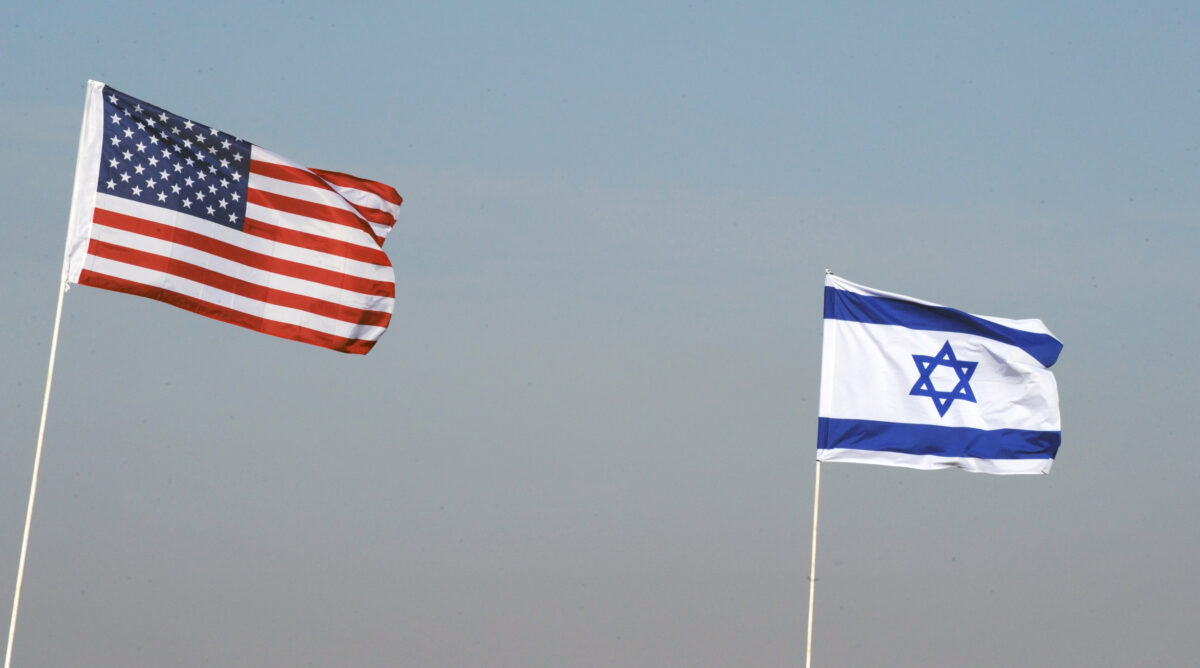
The Netanyahu and Zohran Mamdani clash reveals that the relationship between the United States and Israel is entering a new political era. The disagreement is not only about one prime minister or one mayor.
It represents a broader generational and ideological change. Younger Americans often view international conflicts through the lens of human rights and humanitarian protection, while older political traditions have focused more heavily on alliances and national security.
Public opinion data has shown growing differences between political parties and age groups regarding the Israeli-Palestinian conflict. Those differences are reshaping elections, political movements, and public discussions across the country.
The debate also raises questions about the future role of international institutions. Can global courts influence powerful leaders without support from major governments? Can countries maintain alliances while facing pressure over human rights concerns?
These questions will continue beyond Netanyahu’s visit to New York. The political arguments surrounding the ICC warrant are unlikely to disappear quickly.
The Real Battle Is Not About an Arrest, But About Power and Accountability
The Netanyahu and Zohran Mamdani clash began with a question about whether Netanyahu could be arrested in New York. The answer appears clear: under current U.S. law, that is highly unlikely.
But the significance of the dispute goes far beyond legal authority.
The confrontation has exposed a growing struggle over how America understands justice, diplomacy, and responsibility. Netanyahu’s supporters argue that elected leaders should not be targeted by international institutions they consider illegitimate. Mamdani’s supporters argue that political power should not shield leaders from accountability.
When Netanyahu arrives for the United Nations General Assembly, the biggest outcome may not happen inside a courtroom. It may happen in public opinion, political debates, and the changing relationship between America, Israel, and international justice.
The lasting question may not be whether one mayor can stop one prime minister from entering New York. It may be whether the United States can find common ground as its citizens increasingly disagree about the meaning of justice, security, and accountability.