ICE Airport Arrests Expand as TSA Data Sharing Targets Visa Overstays and Travelers With Pending Cases
The airport has always been a place where identity becomes unavoidable. A traveler hands over a name, birth date, identification, and itinerary before reaching the gate. Now, that routine exchange is taking on a second purpose. For some immigrants, a boarding pass may function less like permission to travel and more like an alert telling federal agents where and when to find them.
Federal immigration authorities are increasingly using airports to arrest people whose lawful status has expired, including some travelers with pending asylum, green card, or status-adjustment applications. ABC News reported at least 27 arrests connected to the tactic across nine states. Immigration lawyers said some detained travelers had no criminal records and carried valid work authorization or advance parole documents.
A Boarding Pass Can Now Trigger a Status Check
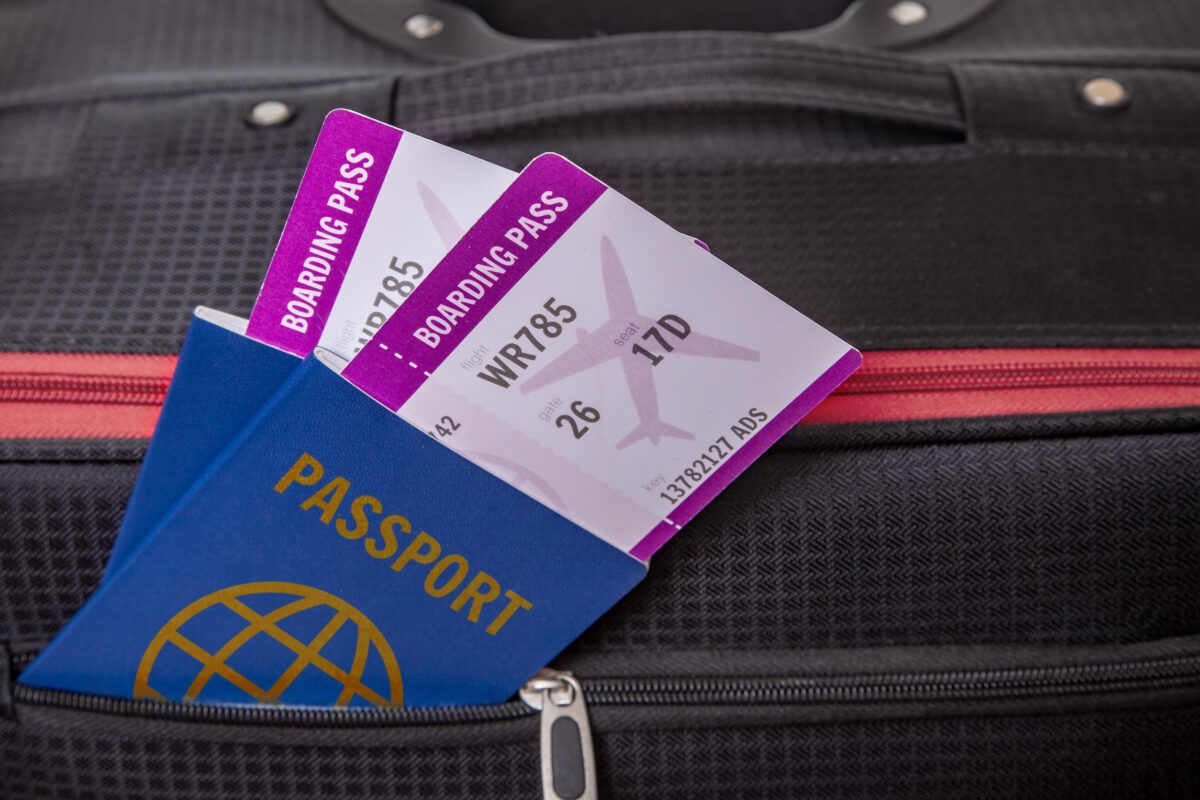
What makes this strategy different is not simply that ICE officers are present at airports. Immigration authorities have long had the power to arrest people with final removal orders or expired status. The difference is efficiency. Instead of locating someone through a home visit or surveillance operation, agents can reportedly use passenger information to identify a match and wait at a check-in counter, security area or boarding gate.
That turns the modern airport into an enforcement chokepoint. Travelers must identify themselves, follow a fixed itinerary and appear at a predictable time. Reuters reported that TSA shared records involving more than 31,000 travelers with ICE from the beginning of President Donald Trump’s second term through February 2026. Those referrals were linked to more than 800 arrests, although Reuters could not determine how many happened inside airports.
The TSA and ICE Partnership Changes Routine Travel
The deeper story is about data collected for one government purpose being used for another. TSA’s Secure Flight program was built to compare passenger information with government watchlists and strengthen aviation security. Reuters reported that the counterterrorism program has also supplied leads for routine immigration enforcement.
A memorandum signed in May 2025 formalized information sharing between TSA and ICE. American Oversight, which obtained the agreement through a public-records lawsuit, said it permits the agencies to exchange, store, and manage agreed-upon data. The specific data fields remain largely redacted, leaving travelers unable to know exactly what information can prompt a referral or how long their records may remain in an ICE repository.
Pending Cases Offer Less Protection Than Many Assume

The most striking cases involve people who appear to be following the immigration process. A traveler may have filed an asylum application, requested an extension, applied for a green card, or received permission to work. Those documents can create the understandable belief that the person is protected from arrest while the government considers the case.
Immigration law is less forgiving. USCIS guidance says filing an application generally does not create lawful immigration status. A pending petition may allow a period of authorized stay or continued employment, but it does not automatically prevent removal proceedings once the person’s underlying status expires. That technical divide explains how someone can hold government-issued documents and still become an ICE target.
The American Immigration Lawyers Association said its members recently reported airport detentions in California, Colorado, Florida, Illinois, Kansas, Michigan, New Jersey, Texas and Virginia. The affected group reportedly includes people with pending adjustment or asylum applications, valid work permits, advance parole documents and no criminal records.
Airports Are Becoming Immigration Enforcement Zones
DHS has defended the policy in forceful terms. The department told ABC News that the administration would no longer tolerate people it considers unlawfully present flying around the country. A spokesperson said such travelers should use air travel only to leave the United States through self-deportation.
Supporters will view the strategy as direct enforcement. Airlines already collect passenger information, TSA confirms identity, and ICE has authority to arrest certain removable noncitizens. Critics see something more consequential: a security system designed to protect aircraft becoming part of a domestic immigration dragnet, one that may discourage people with active cases from traveling for work, medical care or family emergencies.
The Real Shift Is From Physical Raids to Digital Location
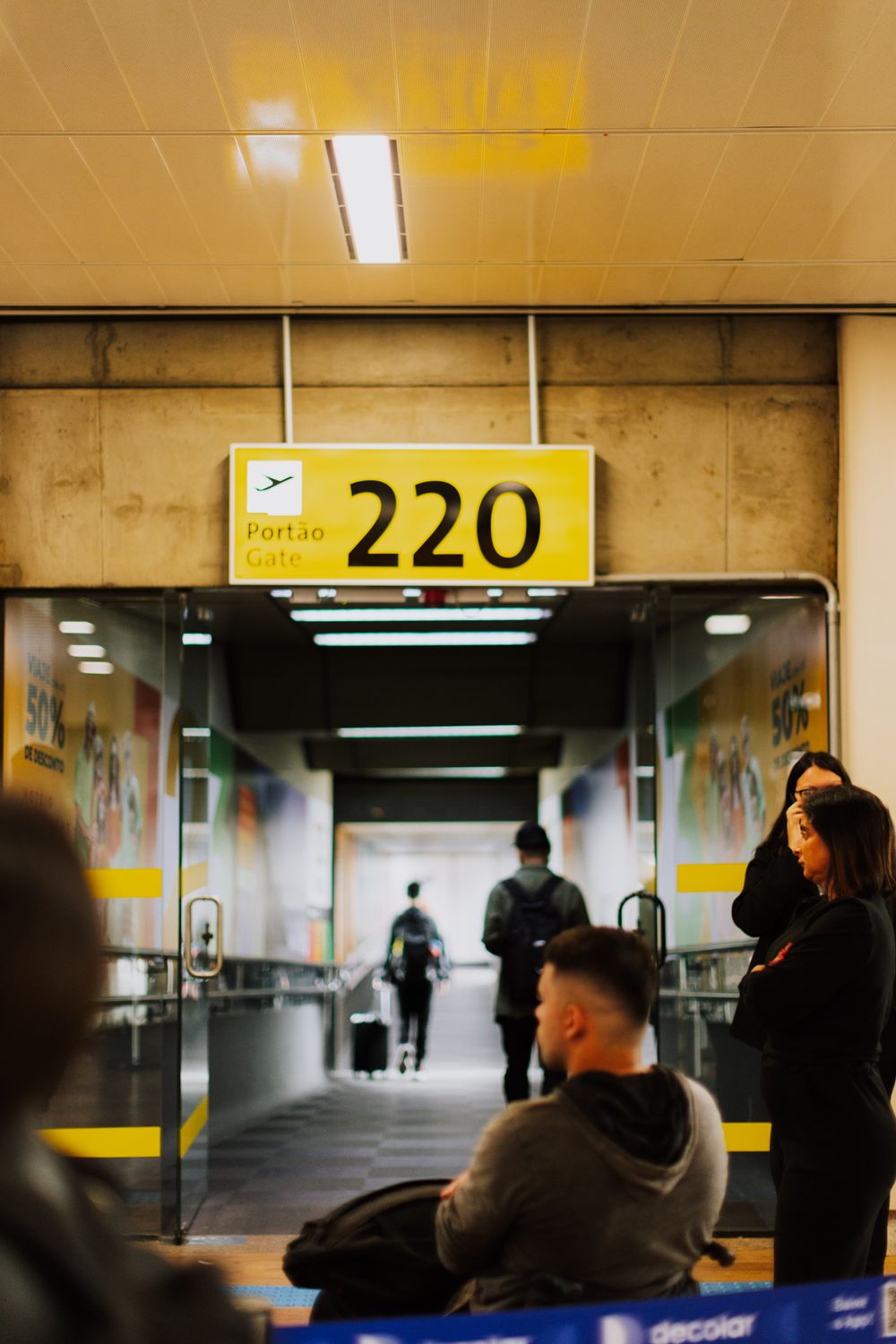
The image most Americans associate with immigration enforcement is an officer knocking on a door. Airport arrests reveal a quieter model. The government does not always need to search neighborhoods or monitor homes when databases can reveal where a person plans to be.
That is what makes this story larger than the current arrest count. Airports combine verified identity, exact timing, controlled movement, and government screening in one location. Once passenger data becomes an enforcement trigger, ordinary domestic travel can operate as a recurring immigration-status audit for foreign nationals.
For travelers with uncertain status, the message is stark: a pending case is not the same as an approved case, and a valid work permit is not always the same as lawful immigration status. For everyone else, the broader question is whether information surrendered for flight security should quietly become a tool for locating people for civil immigration arrests.
The airport checkpoint still asks travelers to remove their shoes, empty their pockets and show identification. But for a growing number of people, the most important screening may happen inside a government database before they ever reach the metal detector.