Milei Expands Argentina’s Immigration Powers to Bar or Deport Foreigners Over Hate Speech Claims
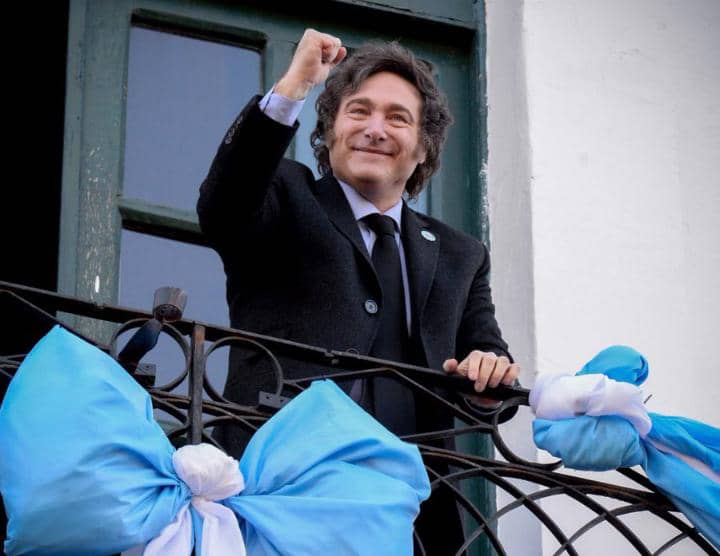
Argentina has opened a new debate over immigration, free expression and national identity after President Javier Milei approved a decree expanding the government’s ability to deny entry, cancel residency or remove foreigners accused of promoting hatred against Argentines.
The measure, published in Argentina’s Official Gazette, adds new grounds for immigration authorities to act against foreign nationals accused of encouraging violence based on nationality, promoting hateful messages against Argentines or taking actions involving the desecration of national symbols.
The decree does not create a general ban on criticism of Argentina or its government. It specifically states that legitimate political, academic and civic expressions protected by Argentina’s Constitution should not be considered grounds for immigration action.
The move has drawn attention both inside Argentina and abroad because of questions surrounding how officials will define the difference between protected speech and conduct that qualifies as hate-based expression.
Argentina Gives Immigration Officials New Authority
Decree 681/2026 modifies parts of Argentina’s immigration law, including provisions that outline when authorities may refuse entry or revoke residency.
According to the official text, immigration officials may take action against foreigners whose conduct involves hateful messages directed at Argentines because of their nationality, calls for violence or acts involving national symbols.
The decree also allows authorities to consider these actions when deciding whether a foreign resident should maintain legal status in Argentina.
If residency is canceled, officials may order the person to leave the country or proceed with removal procedures under existing immigration rules.
The measure does not state that every offensive comment automatically leads to removal. Authorities must evaluate the circumstances of each case and apply the law based on the specific facts involved.
Argentina’s government said the policy is designed to protect citizens, national symbols and public order.
“The defense of the nation, its citizens and its symbols is non-negotiable,” the presidential office said in announcing the measure. “Anyone who attacks the Argentine Republic is not welcome in our country.”
The Decree Protects Political And Academic Debate
A key part of the measure focuses on limiting how the new rules should be applied.
The decree states that ideological disagreement, political opinions and legitimate criticism should remain protected under constitutional guarantees.
That distinction could become important because Argentina has a long history of political debate, protests and public criticism involving government officials and national policies.
The decree does not provide a detailed explanation of every situation that would qualify as prohibited conduct. Because of that, legal experts and political observers are likely to examine how immigration authorities interpret the new rules.
Questions may arise about the evidence required, the role of social media activity and how officials determine when speech crosses from criticism into legally punishable behavior.
The Associated Press reported that the government has not provided detailed guidance on how the policy will be enforced in individual cases.
Policy Arrives During A Period Of International Tensions
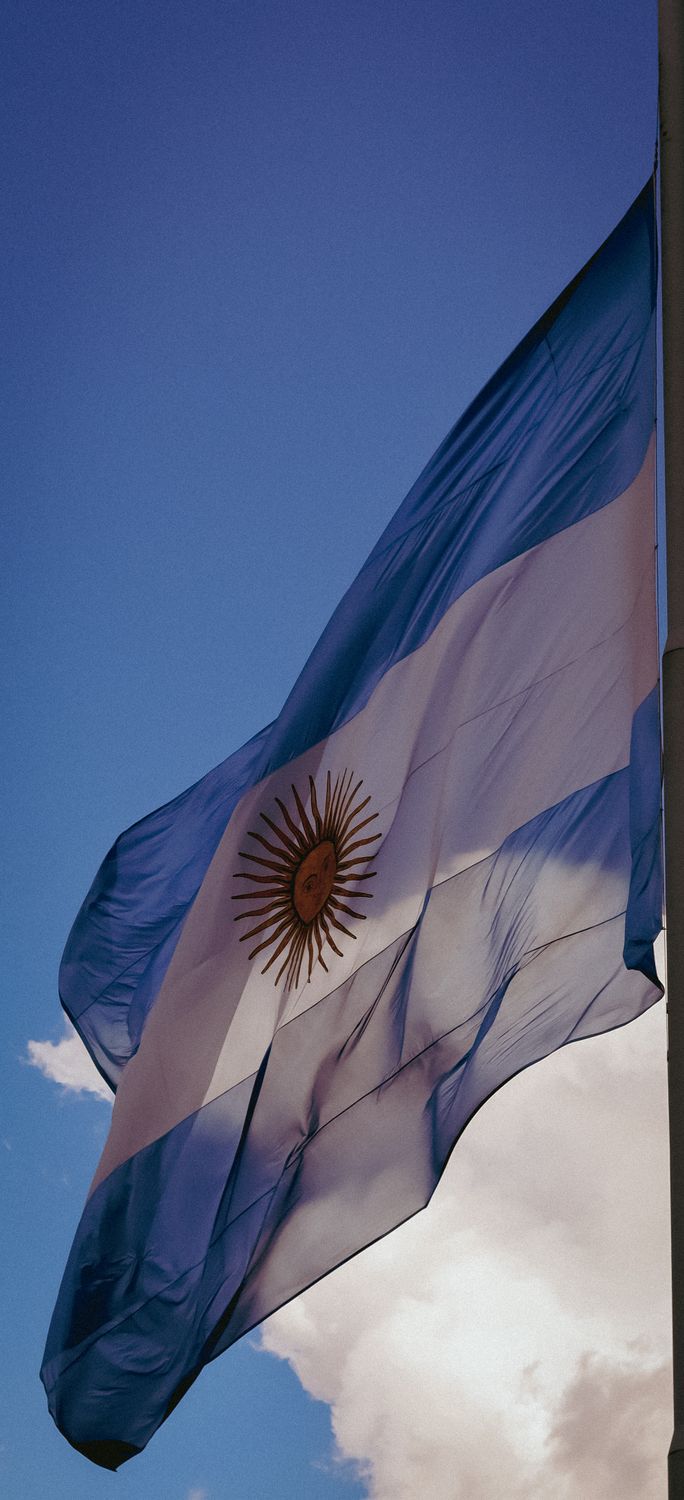
The immigration change comes during a period of heightened debate over criticism directed toward Argentina and its national identity.
The controversy intensified after disputes surrounding international soccer, including criticism involving Argentina’s national team and supporters.
Milei described some criticism of Argentina as part of what he called an “anti-Argentina campaign.” The president has also made broader claims about political forces opposing his administration, though those claims have not been independently verified.
Government officials have presented the decree as a response to what they describe as attacks against Argentina’s dignity and public order.
Critics have questioned whether broad language around hate speech could create uncertainty if applied in politically sensitive situations.
Opposition Voices Raise Questions Over Free Speech
Opposition lawmakers and legal commentators have questioned whether the decree provides enough clarity about enforcement and whether the executive branch should have acted through an emergency measure.
Some Argentine lawmaker criticized the policy, arguing that it conflicted with the country’s tradition of protecting individual freedoms.
Other opponents questioned whether the government should use an emergency decree instead of seeking approval through Argentina’s legislative process.
Supporters of the measure argue that governments have the right to control immigration rules and prevent people from entering or remaining in the country if authorities believe they pose a threat to public order.
The debate now centers on how Argentina balances immigration control with constitutional protections for expression.
Argentina’s Immigration Policy Faces A New Test
Argentina has historically promoted itself as a country open to immigrants. The nation’s Constitution includes language encouraging people from around the world to settle in Argentina.
Milei’s administration has argued that openness does not remove the government’s authority to establish conditions for entry and residency.
The practical impact of the policy will depend on how immigration officials apply it and how courts respond if legal challenges are filed.
For now, the decree represents a significant expansion of Argentina’s immigration powers while leaving important questions about enforcement and interpretation to future cases.