Jay Clayton takes over as Trump’s intelligence chief as Bill Pulte exits before another wave of agency cuts.
A major leadership shift is underway inside America’s intelligence community as Jay Clayton officially takes control of the nation’s top intelligence office while Bill Pulte steps away after a controversial two-month tenure marked by sweeping staff reductions, political battles, and questions about the future direction of U.S. intelligence.
Clayton was sworn in Monday as President Donald Trump’s new director of national intelligence, replacing Pulte sooner than many expected. The transition comes at a sensitive moment for the intelligence community, which has faced internal restructuring and political scrutiny.
The new DNI now takes charge of 18 intelligence agencies. His first challenge will be balancing Trump’s demand for reform with concerns from critics who fear political pressure could influence intelligence decisions.
Clayton inherits an intelligence agency transformed by sudden cuts.
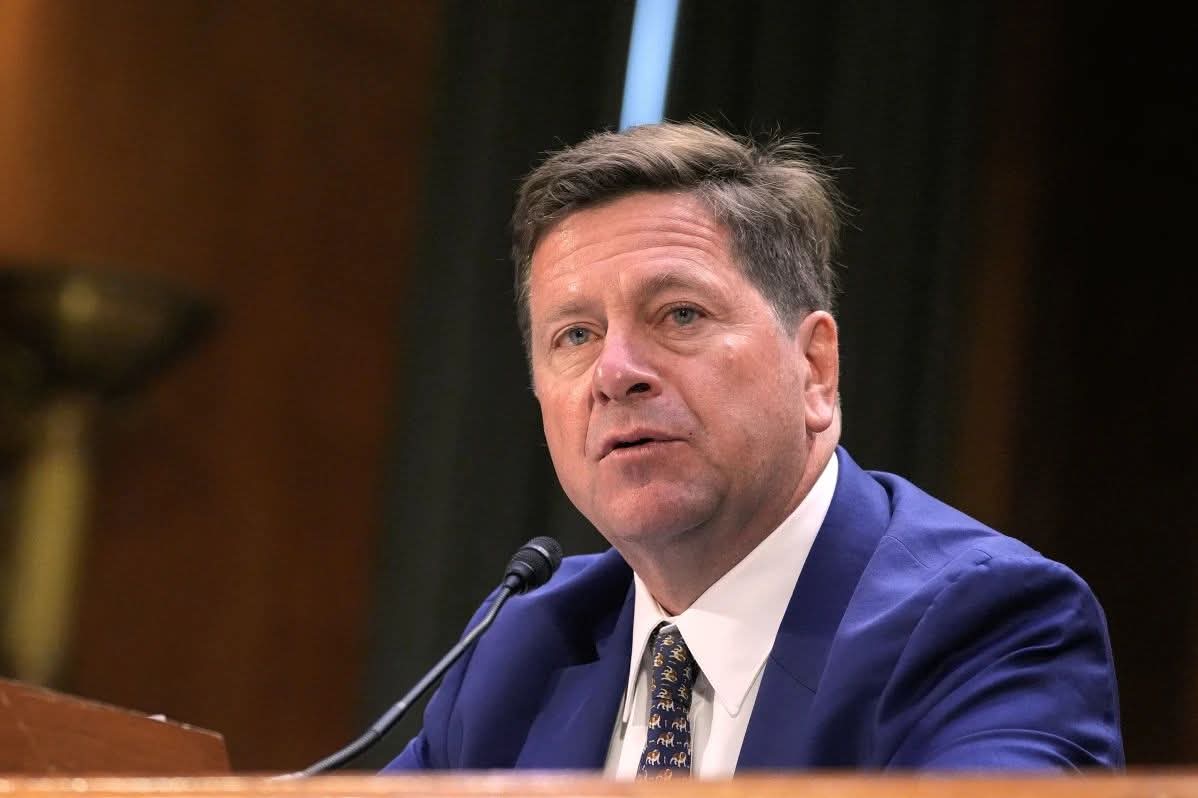
Before Clayton arrived, Bill Pulte had already reshaped the Office of the Director of National Intelligence. During his short time as acting director, Pulte pushed through major staffing reductions and said the office had been reduced by roughly 30 percent.
The cuts became one of the defining moments of his leadership. Supporters argued that the intelligence community had become too large and needed a more efficient structure focused on national security priorities.
However, critics warned that reducing personnel so quickly could create risks inside an organization where expertise, experience, and institutional knowledge often take years to build. Intelligence officials rely heavily on long-term relationships, specialized skills, and classified knowledge that cannot easily be replaced.
Pulte had planned to remain in the role longer while continuing the restructuring process. However, after discussions with Trump and Clayton, he announced that the leadership transfer would happen sooner.
That decision ended speculation about whether Pulte would oversee another round of layoffs after Clayton’s confirmation.
Bill Pulte’s unusual path to becoming acting spy chief
Pulte’s appointment was controversial from the beginning. Before joining the intelligence community, he was best known as the director of the Federal Housing Finance Agency, not as a national security official.
His selection surprised lawmakers because the DNI role traditionally goes to individuals with extensive intelligence, military, diplomatic, or national security experience. Republican and Democratic lawmakers questioned whether his background prepared him to oversee America’s intelligence agencies.
Despite those concerns, Pulte moved quickly. His tenure included personnel changes and the release of intelligence documents connected to claims about foreign interference in the 2020 election.
The documents focused on China’s ability to influence American politics and vulnerabilities within election systems. However, critics argued that much of the information was already known and that the release reflected the administration’s broader effort to revisit election security debates.
Jay Clayton arrives with a different background and a political storm behind him.
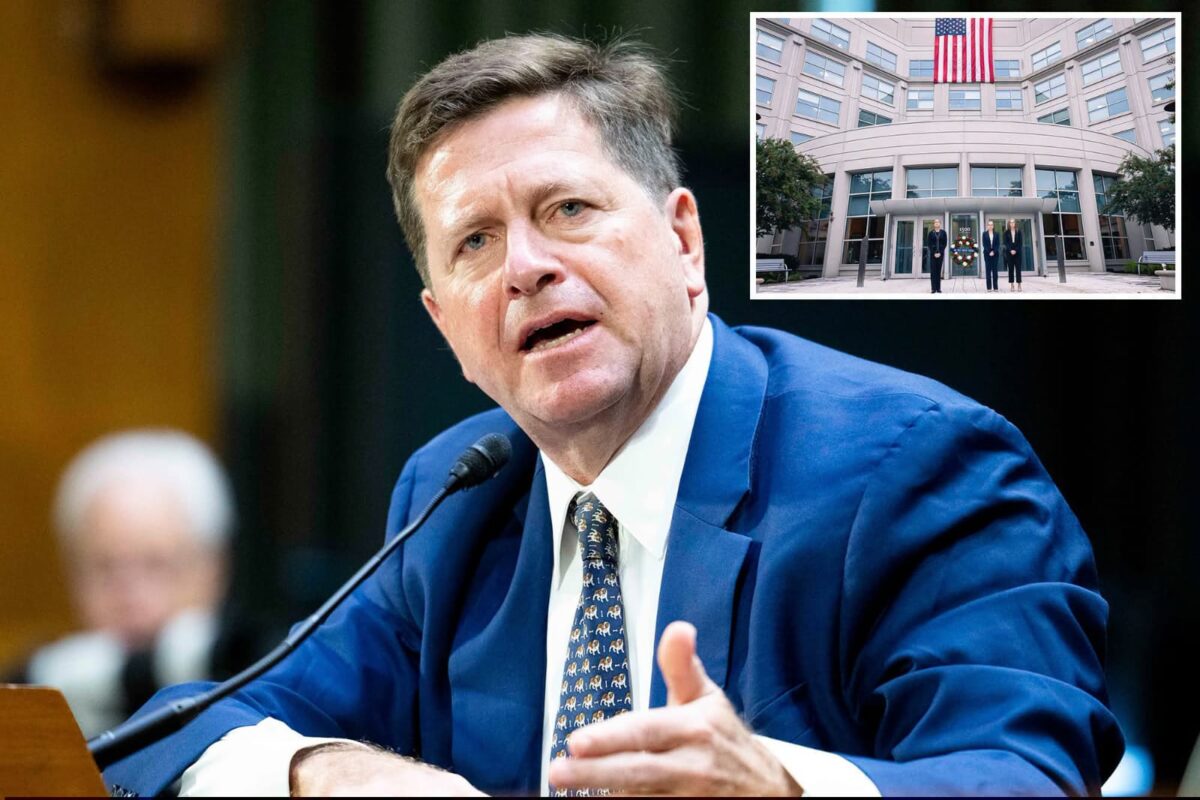
Unlike Pulte, Clayton enters the DNI position with decades of experience in federal law and financial regulation.
He previously served as chairman of the Securities and Exchange Commission and later became the U.S. attorney for the Southern District of New York. During his time as a prosecutor, he handled major financial crime cases and international investigations.
Supporters say that background gives Clayton valuable experience dealing with complex threats involving money, technology, sanctions, and international networks.
Still, his nomination faced intense political opposition. The Senate confirmed Clayton by a narrow 51-to-47 vote, with Republicans supporting him and Democrats opposing him.
The biggest controversy came during his confirmation hearing when Democratic senators pressed him on the 2020 presidential election. Clayton declined to directly state that Joe Biden won the election, raising concerns among critics about whether he could remain independent of political influence.
Trump gives Clayton room to reshape the intelligence community.
President Trump has publicly expressed confidence in Clayton but has not laid out a detailed public mission for his leadership.
That gives Clayton significant freedom to decide how the intelligence community moves forward after months of disruption. His decisions on staffing, internal reforms, and intelligence priorities will determine whether the agency continues Pulte’s aggressive restructuring or takes a different approach.
One of Clayton’s biggest tests will be restoring confidence among intelligence professionals while maintaining support from the White House.
The DNI position requires managing a difficult balance. The director must provide the president with intelligence assessments while ensuring analysts can deliver conclusions based on evidence rather than political expectations.
The future of America’s intelligence agencies now hangs in the balance.
The leadership change comes during a period of growing global challenges. The United States continues to face threats from foreign governments, cybercriminal organizations, terrorist networks, and international conflicts.
A smaller intelligence workforce could mean a more efficient system if reforms are carefully designed. However, critics argue that deep cuts could leave agencies struggling to respond quickly during a crisis.
Clayton’s arrival represents a turning point for an intelligence community pulled into broader political fights over government size, election security, and institutional trust.
For employees inside the intelligence world, the question is no longer just who leads the agency. The bigger question is what kind of intelligence system will emerge after months of dramatic change and whether it can regain stability.
Clayton now has the responsibility of proving that reform and reliability can exist together. His success or failure will likely shape America’s intelligence structure for years to come.