7 U.S. Vice Presidents Who Died In Office
The vice presidency is often described as a position waiting in the wings, but history has shown that the office can become a place of unexpected tragedy.
Seven U.S. vice presidents died while serving, forcing presidents, Congress, and the nation to confront moments of uncertainty during some of America’s most difficult eras.
For most Americans, the vice president is known as the person who stands one heartbeat away from the presidency. Yet behind that familiar phrase is a long history of vice presidents who never had the chance to complete their terms.
From early American leaders battling illness to vice presidents who died during periods of war and political tension, these deaths changed the course of presidential administrations and highlighted the importance of succession planning.
Here are the seven vice presidents who died while still holding office.
George Clinton
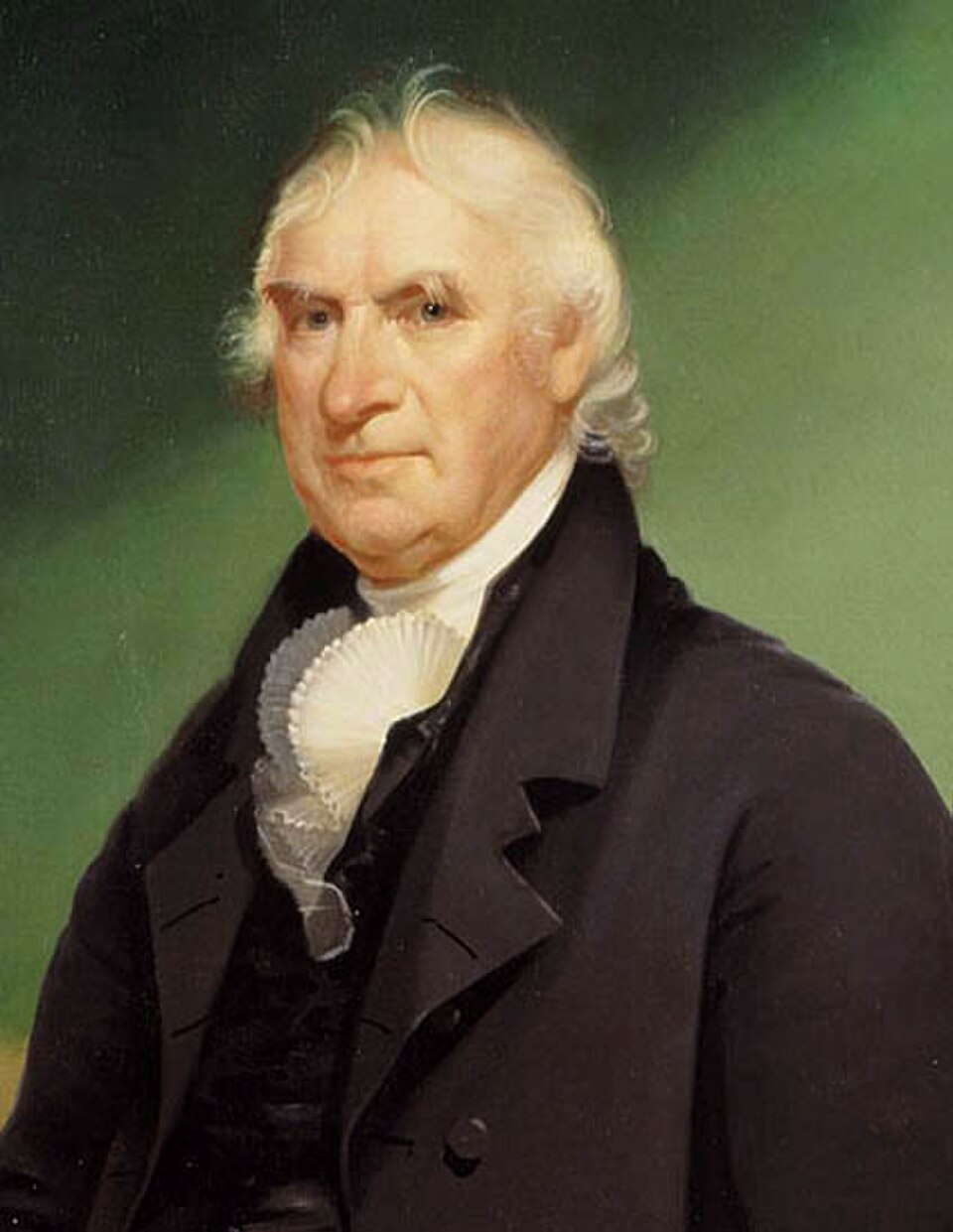
George Clinton became the first vice president in U.S. history to die while serving, creating a constitutional challenge for the young nation.
George Clinton, who served as vice president under Presidents Thomas Jefferson and James Madison, died on April 20, 1812, at the age of 72.
Clinton was one of the most influential political figures of the early republic. Before becoming vice president, he served as governor of New York for several terms and became a major figure in the Anti-Federalist movement.
His death occurred during Madison’s first term, just months before the United States entered the War of 1812 against Britain. At the time, there was no constitutional process for replacing a vice president. The office remained vacant until the next election.
Clinton’s death exposed a weakness in America’s early government structure. While the Constitution explained how to replace a president, it did not provide instructions for filling an empty vice presidency.
Elbridge Gerry
Elbridge Gerry’s death left the vice presidency vacant during a period when America was preparing for another presidential transition.
Elbridge Gerry, vice president under President James Madison, died on November 23, 1814, at the age of 70. Before becoming vice president, Gerry had already lived a remarkable political life. He was a signer of the Declaration of Independence and served as governor of Massachusetts.
His vice presidency came during one of America’s most challenging periods: the War of 1812. Gerry became vice president in 1813, but his health declined quickly. He died in Washington, D.C., after becoming ill while still in office.
His death marked the second time in just two years that the nation had lost a vice president. The repeated vacancies raised concerns about how the government would function if a president died suddenly. Those concerns would continue for generations.
William R. King
William R. King holds the unfortunate distinction of having the shortest vice presidential tenure in American history. William R. King was elected vice president alongside President Franklin Pierce in 1852.
However, King never fully carried out the duties of the office. Suffering from serious health problems, King traveled to Cuba in hopes that the warmer climate would improve his condition. He returned to the United States but was too ill to travel to Washington for his inauguration.
Congress passed a special measure allowing him to take the oath of office in Cuba, making him the only vice president sworn in outside the United States.
King died on April 18, 1853, just 45 days after becoming vice president. His death created another vacancy at a time when tensions over slavery were growing, and the nation was moving closer toward the Civil War.
Henry Wilson
Henry Wilson’s death came during a period of political scandals and uncertainty in Washington. Henry Wilson served as vice president under President Ulysses S. Grant from 1873 until his death in 1875.
Before becoming vice president, Wilson was a longtime senator from Massachusetts and a strong supporter of the abolition of slavery. He played an important role during the Civil War era and later worked on civil rights issues.
Wilson suffered a stroke in 1870 and experienced ongoing health problems afterward. On November 22, 1875, Wilson died at the U.S. Capitol while working in the vice president’s office. He was 63 years old.
His death left President Grant without a vice president for the final years of his administration. At the time, there was still no constitutional method for filling the vacancy.
Thomas A. Hendricks
Thomas A. Hendricks’ death shocked the country because he had only recently become vice president. He was elected vice president in 1884 alongside President Grover Cleveland.
A former governor of Indiana and U.S. senator, Hendricks was a respected Democratic leader who had spent decades in public service.
However, his time as vice president lasted only eight months. Hendricks died on November 25, 1885, at his home in Indianapolis at age 66. His death came during Cleveland’s first presidency and again left the nation with an empty vice presidential seat.
The repeated pattern of vice presidents dying in office showed lawmakers that the country needed stronger succession rules.
Garret Hobart
Garret Hobart’s death marked the end of a political partnership that helped shape President William McKinley’s administration.
Garret Hobart served as vice president under President William McKinley from 1897 until his death in 1899. Unlike many earlier vice presidents, Hobart had a close working relationship with the president. McKinley reportedly relied heavily on his advice, making Hobart one of the more influential vice presidents of his era.
Hobart suffered from heart problems and died on November 21, 1899, at age 55. His death came at a critical moment, only a year after the Spanish-American War and during McKinley’s efforts to manage America’s growing role on the world stage.
McKinley’s next running mate would be Theodore Roosevelt, who later became president after McKinley’s assassination in 1901.
James Sherman
James Sherman became the last U.S. vice president to die while serving, but his death created an unusual election situation.
James Sherman served as vice president under President William Howard Taft. Sherman had already been selected as Taft’s running mate for the 1912 election campaign when his health began failing.
He died on October 30, 1912, just six days before Election Day. Sherman’s death occurred during a dramatic election year that included Taft, Democrat Woodrow Wilson, and former president Theodore Roosevelt competing under the Progressive Party.
Because the election was already underway, Republicans had little time to replace him on the ticket. The election ended with Wilson winning the presidency.
Why These Deaths Changed The Vice Presidency Forever
The deaths of seven vice presidents revealed a major gap in America’s constitutional system. For much of U.S. history, the vice presidency could simply remain empty after a death. There was no process for selecting a replacement, leaving presidents without a second-in-command.
That changed after President John F. Kennedy’s assassination in 1963 and the creation of the 25th Amendment, which was ratified in 1967.
The amendment established a process allowing presidents to nominate a new vice president when the position becomes vacant, with approval from Congress.
The modern vice presidency exists because earlier generations experienced moments when the nation’s second-highest office suddenly disappeared.
These seven deaths were reminders that government continuity depends not only on elections, but also on preparation for unexpected moments.