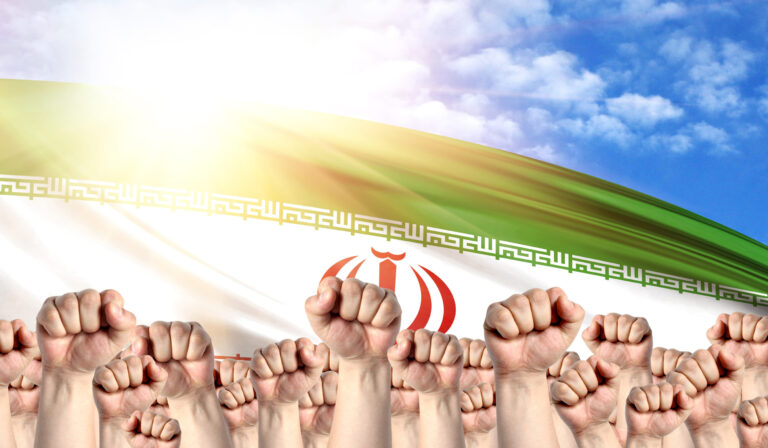
Sen. Banks Says Trump Is “The First President in 47 Years Who Has Had the Guts to Stand Up” to Iran: Calls It a New Era of “Peace Through Strength”.
Sen. Jim Banks is praising President Donald Trump’s approach toward Iran, saying the president has shown the determination previous administrations lacked and calling the strategy a return to “peace through strength.”
The Indiana Republican’s comments highlight a central foreign policy debate: whether confronting hostile governments with overwhelming pressure creates stability or risks deeper conflict.
Banks argued that Trump’s willingness to challenge Iran represents a major shift after decades of warnings, negotiations, and failed attempts to change Tehran’s behavior. He said the United States cannot allow Iran to become a nuclear power and praised Trump for taking action instead of relying only on diplomatic pressure.
The senator’s remarks reflect a broader argument among Trump supporters that strength and deterrence are the best tools for preventing future wars.
Banks Frames Trump’s Iran Policy as a Historic Turning Point
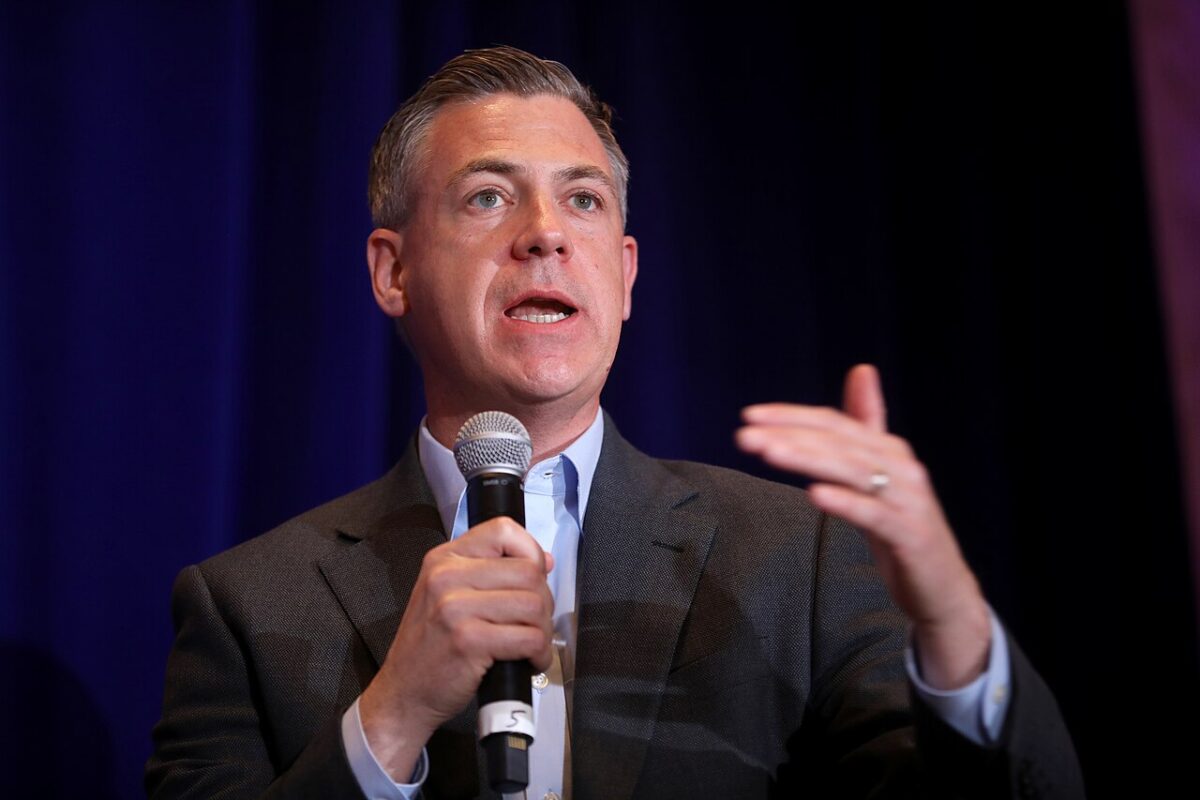
During his remarks, Banks presented Trump’s Iran strategy as a break from decades of hesitation. The senator said previous presidents had allowed Iran’s influence to grow while repeatedly warning about the dangers posed by its nuclear ambitions and regional activities.
Banks, an Afghanistan veteran, has frequently emphasized national security issues and argued that protecting Americans requires confronting threats before they become larger crises. His comments about Iran focused heavily on the possibility of a nuclear-armed Iranian government and what that could mean for the United States and its allies.
The phrase “peace through strength” has long been associated with conservative foreign policy arguments. Supporters say a powerful military and clear consequences can discourage enemies from testing American resolve.
For Banks and other Trump allies, the central argument is that avoiding confrontation does not always prevent conflict.
The Long Shadow of the U.S.-Iran Conflict
The conflict between Washington and Tehran has shaped international politics for more than four decades.
Relations collapsed after Iran’s 1979 Islamic Revolution and the hostage crisis, creating a lasting divide between the two countries. Since then, disputes over Iran’s nuclear program, missile development, regional influence, and support for armed groups have remained major concerns for American officials.
The Obama administration reached the 2015 Joint Comprehensive Plan of Action, known as the Iran nuclear deal, which placed limits on Iran’s nuclear activities in exchange for sanctions relief. Trump later withdrew the United States from the agreement in 2018, arguing that the deal did not go far enough to restrict Iran’s military ambitions.
The Trump administration then launched a “maximum pressure” campaign that increased economic sanctions against Iran. Supporters argued that the policy weakened Tehran’s ability to fund military operations and forced Iranian leaders to face greater pressure. Critics argued that sanctions alone could not solve the deeper political disagreements between the two countries.
Why Supporters Believe Trump’s Approach Is Different
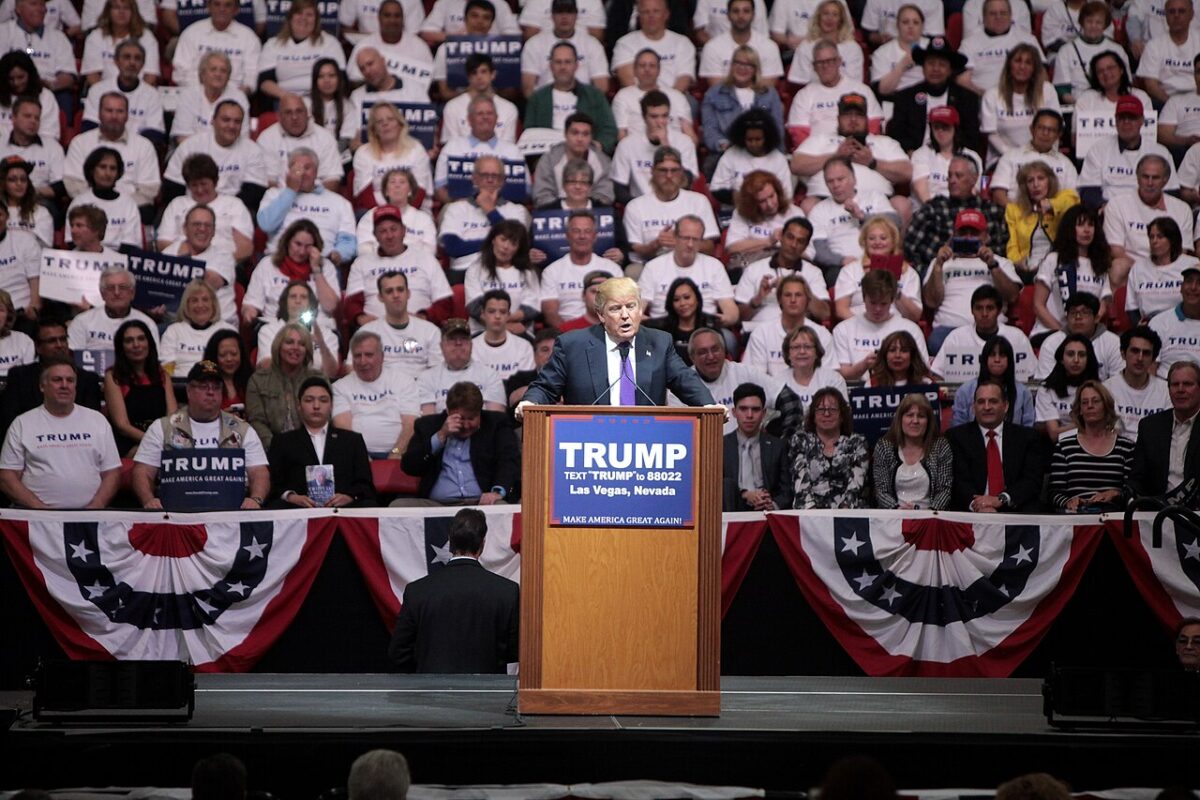
Trump’s supporters argue that previous strategies gave Iran too much room to expand its influence.
They point to Iran’s missile development, support for regional allies and armed groups, and continued tensions with U.S. partners in the Middle East as reasons why stronger action was needed.
Banks’ argument is built around deterrence. Supporters of this view believe Iran must understand that aggressive actions will carry significant consequences.
The senator’s comments also connect with a larger Republican message that America’s military strength is not only about fighting wars but preventing them.
Trump allies have repeatedly used this message when discussing Iran, saying that a firm approach creates leverage that diplomacy alone cannot achieve.
Critics Warn That Strength Must Be Balanced With Strategy
While Banks and Trump supporters celebrate the administration’s approach, critics argue that military pressure carries risks.
Foreign policy experts have long debated whether aggressive pressure campaigns produce long-term results. Some argue that sanctions and military threats can push governments into negotiations, while others warn they can increase hostility and create unpredictable consequences.
The challenge for any U.S. administration is balancing deterrence with avoiding a conflict that becomes difficult to control.
Recent developments have shown how complicated the situation remains. Reports indicate that the Trump administration has continued using economic and diplomatic pressure while keeping military options available as tensions with Iran continue.
The debate reflects a familiar divide in Washington. Some lawmakers believe America’s greatest mistake is showing restraint toward hostile governments. Others believe careful diplomacy is necessary to prevent conflicts from escalating.
A Message Designed for American Voters
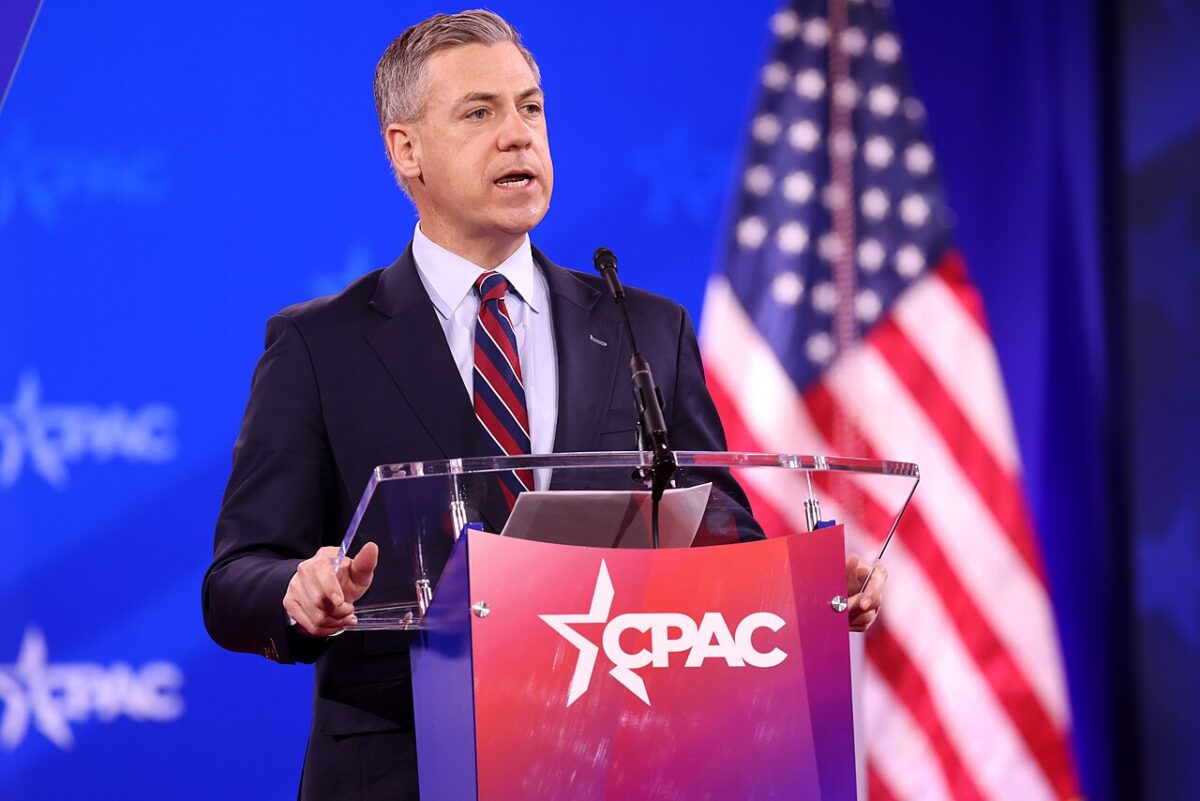
Banks’ comments are not only about foreign policy. They also reflect a broader political message about America’s role on the world stage.
For many Trump supporters, the Iran issue represents a test of whether the United States is willing to defend its interests without apology. They believe previous administrations sent mixed signals that encouraged opponents to challenge American power.
By describing Trump as the first president in nearly half a century willing to stand up to Iran, Banks presents the current approach as a historic correction rather than simply another foreign policy decision.
The message appeals to voters who believe national security requires decisive leadership and clear consequences for America’s enemies.
The Future of America’s Iran Strategy Remains Uncertain
The debate over Trump’s Iran policy is unlikely to end soon.
Supporters see the strategy as a necessary demonstration of American power. They argue that preventing Iran from obtaining a nuclear weapon requires a leader willing to act rather than simply issue warnings.
Critics remain concerned about escalation and question whether pressure alone can create lasting stability in the Middle East.
The coming months will reveal whether the strategy produces the results its supporters expect or creates new challenges for U.S. foreign policy.
For Sen. Jim Banks and those who share his view, the message is straightforward: strength creates peace because adversaries understand the cost of confrontation.
For critics, the question is whether strength can be maintained while keeping diplomacy alive.
Either way, the argument over Iran has become one of the defining foreign policy battles of this era, shaping not only America’s relationship with Tehran but also a larger debate about how the United States uses its power around the world.