6 Mistakes That Make Roasted Vegetables Soggy
Roasted vegetables can be one of the simplest ways to bring out deep color and texture, yet many home cooks end up with vegetables that are pale, soft, or watery instead of browned and tender. The issue is often not the seasoning; it is moisture.
Roasting depends on hot, relatively dry conditions that allow moisture to escape so the surface of the vegetables can brown. When that moisture gets trapped, vegetables may cook through while staying soft instead of developing golden edges.
Here are six common mistakes that can stand between you and better roasted vegetables.
Overcrowding the Pan
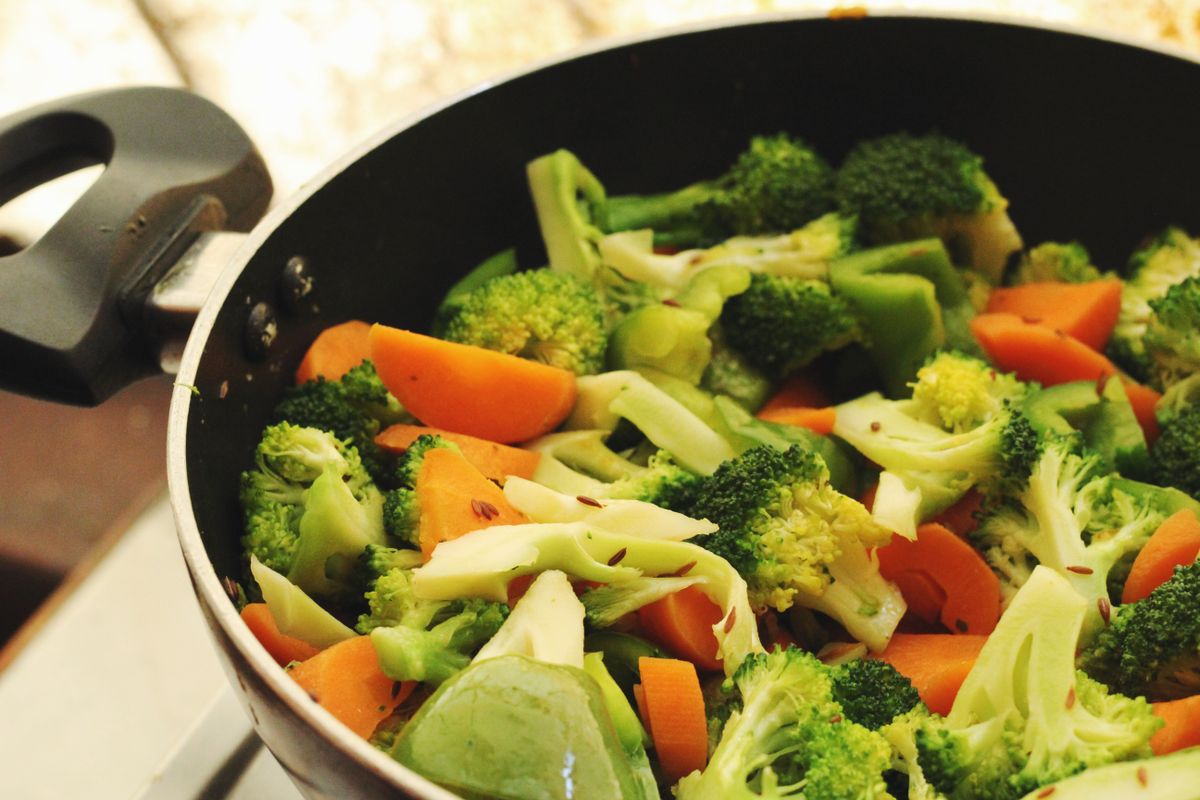
A crowded sheet pan is one of the easiest ways to end up with steamed vegetables instead of roasted ones. When pieces are packed tightly together or piled on top of one another, the water they release has less room to evaporate. The cooking environment becomes more humid, which can leave vegetables soft and less browned.
The fix is simple: spread vegetables into a single layer with visible space between pieces whenever possible. If the pan looks full before it goes into the oven, divide the vegetables between two pans or roast them in batches. When using two pans at the same time, rotating their rack positions halfway through can help them cook more evenly. Simply Recipes notes that crowded vegetables steam because their moisture cannot evaporate effectively.
Roasting Vegetables While They’re Still Wet
Freshly washed vegetables need more than a quick shake before they go into the oven. Surface water has to evaporate before browning can really begin, so damp vegetables may spend part of their roasting time simply drying off rather than developing color.
Before roasting, pat vegetables dry thoroughly after washing. If you have cooked vegetables briefly before roasting them, make sure excess moisture has drained away and allow steam to escape before adding oil and placing them in the oven. Starting with a dry surface gives the vegetables a better chance to brown.
Setting the Oven Too Low, or Not Fully Preheating It
Roasting needs enough heat to encourage browning. When the oven temperature is too low, vegetables can gradually become tender without developing as much exterior color. A not-fully-preheated oven can create a similar problem at the beginning of cooking.
For many everyday roasted vegetable recipes, a range around 400–450°F can work well, with 425°F serving as a useful starting point in many situations. The best choice still depends on the vegetable and recipe rather than following one temperature rule for everything. Food Network’s general roasting guidance, for example, commonly uses 425°F and emphasizes that harder vegetables and larger pieces take longer to cook. Food Network’s roasted-vegetable guide illustrates the 425°F approach.
Make sure the oven is fully heated before the vegetables go in. If browning is consistently weaker than expected, an oven thermometer can also help check whether the oven is reaching the temperature you expect.
Using Too Much Oil
Oil plays an important role in roasting by helping conduct heat, reducing sticking, and supporting browning. But vegetables should be lightly and evenly coated rather than sitting in excess oil. When oil pools underneath the vegetables, the finished texture can become heavier and less like a clean roast.
Instead of adding a large amount all at once, coat the vegetables evenly and start modestly. If pieces still look dry or unevenly coated, you can add a little more. The amount needed depends on the type and amount of vegetables as well as the pan setup, so there is no single measurement that works for every batch.
Choosing the Wrong Pan Setup
The pan you choose can affect how much moisture stays around the vegetables. A sturdy, rimmed sheet pan provides broad contact with heat and gives moisture more room to escape. A deeper casserole-style dish can hold steam closer to the vegetables, especially when it is crowded.
That does not mean a deep baking dish is always the wrong choice. Some dishes are better suited to that type of pan. But when the goal is maximum browning, a shallow sheet pan is often a better setup because it allows more open space around the vegetables. A standard roasting method from Food Network likewise calls for spreading vegetables on a baking sheet rather than enclosing them in a deep dish.
Treating Every Vegetable as if It Cooks at the Same Rate
Not all vegetables roast the same way, and pieces of different sizes will not necessarily finish together. Small broccoli florets, thick carrot pieces, dense potato chunks, and watery zucchini all behave differently in the oven. Mixing vegetables with very different cooking rates can leave some pieces overdone while others are still catching up.
A few simple adjustments can help. Cut similar vegetables into consistent sizes, separate dense vegetables from faster-cooking or more watery ones when needed, and consider adding quicker-cooking vegetables later in the roasting process. Test-kitchen guidance similarly recommends pairing vegetables with comparable cooking times and adding faster-cooking items later when needed. Allrecipes explains why vegetables with differing cook times should be staggered.
It is also helpful to remember that texture depends on the vegetable itself. Broccoli, Brussels sprouts, potatoes, carrots, cauliflower, and squash can develop browned or crisped edges, while zucchini, mushrooms, tomatoes, and eggplant naturally contain more water and will generally become tender rather than truly crisp.
Give vegetables enough space, start with dry surfaces, and use enough heat for moisture to escape so your next pan comes out roasted rather than steamed.