The Costco Foods Dietitians Keep Buying, And Why They Make Sense in a Real Kitchen
Costco can be overwhelming: giant packages, endless aisles, and enough snack options to derail even the most organized shopping list. But when dietitians talk about what they actually put in their carts, the answers are surprisingly practical. The current conversation around dietitian-recommended Costco staples isn’t really about chasing the latest “superfood.” It is about buying foods that can become several meals without making cooking feel like another full-time job.
Wild Alaskan Sockeye Salmon
Costco’s most useful dinner shortcut might be hiding in the freezer.
Dietitian Samantha Peterson regularly buys Kirkland Signature Wild Alaskan Sockeye Salmon because the fillets are individually portioned and easy to prepare without thawing an entire package. Salmon also brings protein and omega-3 fatty acids to the plate, making it a useful foundation for a quick dinner. Her simple approach—olive oil, lemon juice, and Dijon mustard before baking—shows why versatile ingredients matter more than complicated recipes.
A fillet can become dinner with roasted vegetables one night, then flake into a grain bowl or salad the next. That kind of flexibility is exactly what makes a bulk purchase worthwhile.
Organic Hummus Cups
Small portions can solve a surprisingly big problem: actually using what you buy.
Individual Kirkland Signature Organic Hummus Cups caught the attention of dietitian Kaytee Hadley because they are convenient and reduce the pressure to finish a large tub before it goes bad. Hummus also pairs naturally with carrots, apples, crackers, and nuts, turning a few simple ingredients into a satisfying snack plate.
It is a good reminder that healthy eating doesn’t always require elaborate meal preparation. Sometimes the smartest grocery purchase is the one that makes the nutritious choice easier when you’re hungry and short on time.
Medium Roast Coffee
19lion/ 123RF
For some dietitians, the Costco staple isn’t a “health food” at all—it’s simply part of real life.
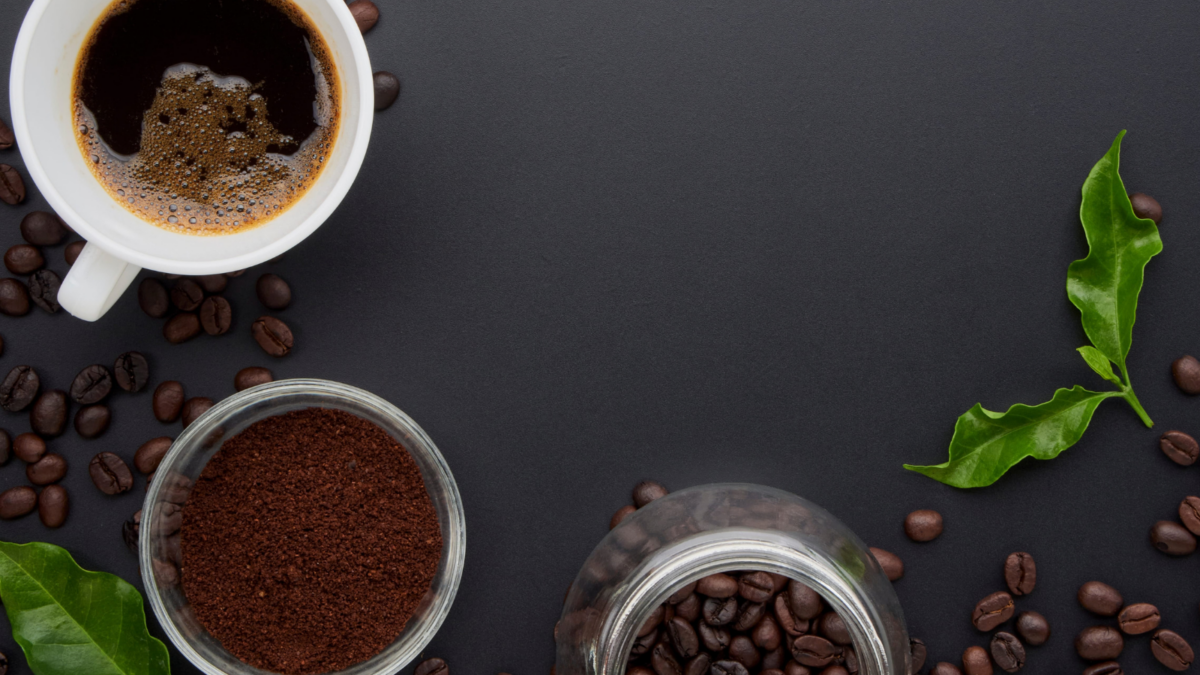
Jordan Langhough, RD, keeps Kirkland Signature Medium Roast Ground Coffee around because coffee is part of her morning routine and buying a larger package means fewer emergency grocery runs. The important distinction is that coffee isn’t being presented as a major source of nutrition; it is a practical household staple.
That is a useful way to think about warehouse shopping. Not everything in the cart needs to earn a nutrition trophy. Some things make everyday routines easier, and those simple kitchen habits can add up.
Chocolate-Covered Almonds
Dietitians aren’t pretending dessert doesn’t exist—and that makes this pick particularly relatable.
Kirkland Signature Milk Chocolate Covered Almonds combine a sweet coating with almonds, which provide protein, fat, and fiber. Langhough points out that the combination can make the treat more satisfying than reaching for candy alone. However, portion size still matters because chocolate-covered nuts remain an energy-dense snack.
The bigger lesson is that nutritious shopping doesn’t have to mean banning enjoyable foods. A pantry can make room for something sweet while still containing plenty of ingredients that build balanced meals.
Rotisserie Chicken
The famous $5 Costco chicken earns its reputation by solving dinner before you even get home.
Costco’s rotisserie chicken is one of those foods that can completely change a busy week. Eat it hot with vegetables, shred it into tacos, fold it into soup, or pile it onto a salad. Dietitian Jordan Langhough specifically highlights it as a convenient protein, and the low price has long made it one of Costco’s most recognizable food offerings.
Its real trick is leftovers. One purchase can become several different meals, which is where warehouse-store value becomes much more interesting than simply buying the biggest package available.
Organic Blueberries
Frozen fruit quietly solves one of the biggest problems with buying fresh produce: time.
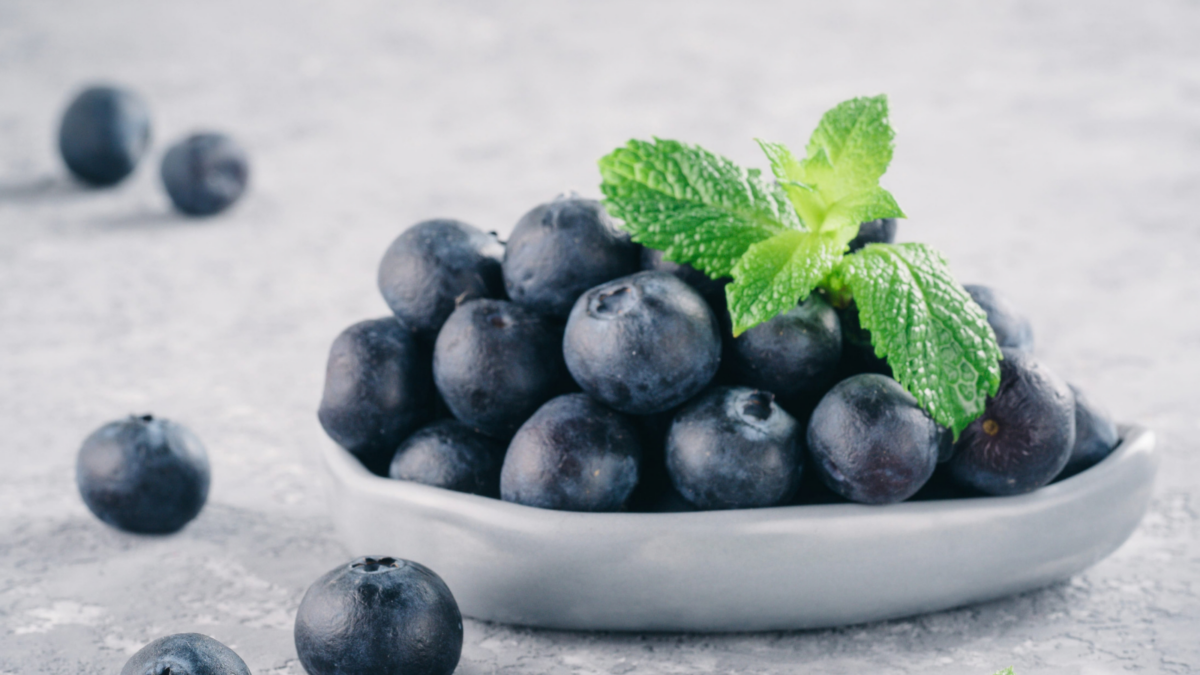
Dietitian Samantha Peterson keeps Costco’s frozen organic blueberries in her freezer because they can sit there for weeks instead of demanding immediate attention. Frozen berries work beautifully in smoothies, oatmeal and yogurt bowls, and can also be added to muffins, pancakes, or quick desserts.
That makes them especially useful for households where fresh fruit sometimes gets forgotten at the back of the refrigerator. Pairing them with other foods that can make everyday meals more interesting turns a basic breakfast into something that feels far more complete.
Organic Extra Virgin Olive Oil
One of the smartest Costco purchases may be something you use a tablespoon at a time.
Kirkland Signature Organic Extra Virgin Olive Oil is another dietitian favorite because it works in almost every part of the kitchen. Jordan Langhough uses it for sautéing, roasted vegetables, and salad dressings, and notes that dietary fat helps the body absorb fat-soluble vitamins such as A, D, E, and K.
Unlike a novelty Costco find, olive oil doesn’t sit waiting for a special occasion. It can quietly become the everyday cooking fat that ties dozens of meals together.
The interesting thing about these dietitian picks is how ordinary most of them are. Salmon, eggs, vegetables, fruit, yogurt, nuts, and cooking oil may not look exciting on a warehouse shelf, but their versatility is exactly what makes them useful. The best bulk purchase isn’t necessarily the biggest package—it is the food you can realistically imagine using before you’re tired of seeing it.
Which of these seven Costco staples would you actually put in your cart on your next warehouse run?