Kikkoman’s $560 Million Wisconsin Plant Shows America’s Growing Appetite for Global Flavors
Soy sauce might seem like a small item in your kitchen, but Kikkoman is making a big investment to ensure its future in the United States. The Japanese food company has opened a new 240,000-square-foot production facility in Jefferson, Wisconsin, with about $560 million invested over the past decade. This move shows how global flavors, once seen as specialty items, are now becoming everyday staples in American homes and restaurants.
For shoppers, not much will seem different. Soy sauce bottles will still look the same on store shelves. But there is a bigger story behind that bottle, involving food production, supply chains, local jobs, and the rising demand for international flavors in the U.S.
Kikkoman’s new Wisconsin plant is part of the company’s plan to bring production closer to its customers and better supply retailers, restaurants, and food makers across North America.
A Major Investment in American Food Manufacturing
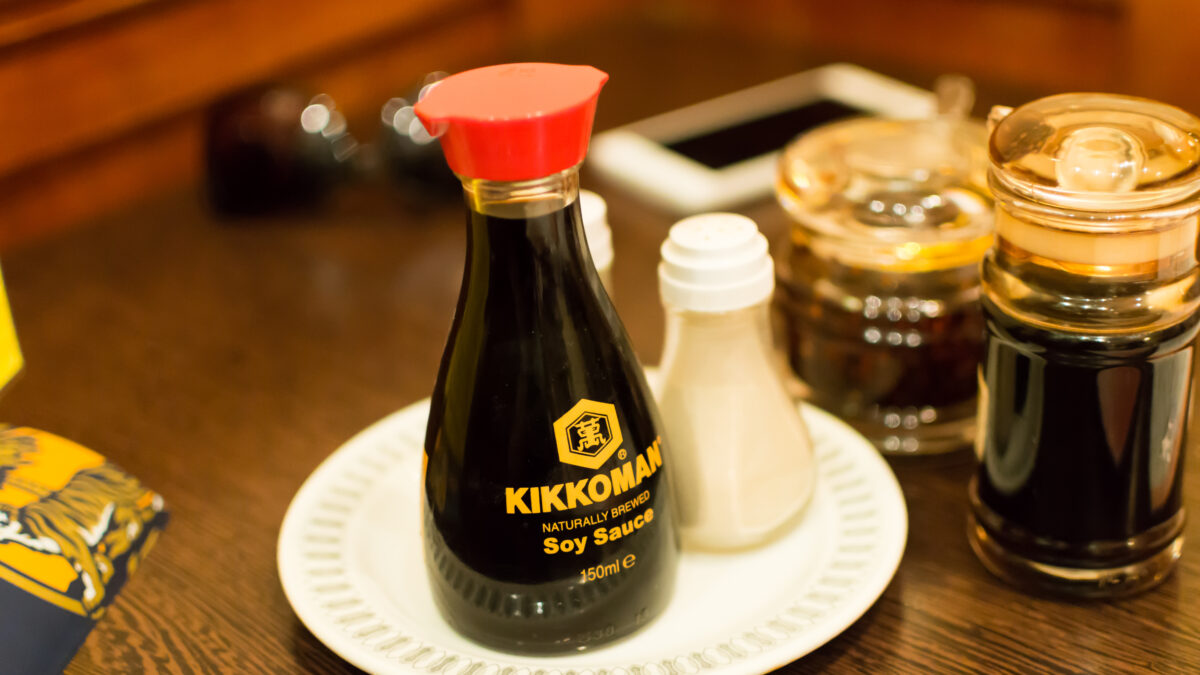
Kikkoman Foods Inc., the company’s U.S. manufacturing division, officially opened the Jefferson facility on September 18. Soy sauce production began at the plant in May, with shipments expected to begin in October.
Located on a 100-acre site, the facility will produce soy sauce and related seasonings, including teriyaki sauce. The products will serve multiple markets, from grocery store shoppers to restaurants and large-scale food companies that use sauces as ingredients. The plant was built to be flexible. It can produce not just regular soy sauce bottles, but also glass bottles, plastic containers, bulk packages, and larger supplies for industry.
This flexibility lets Kikkoman serve a range of customers, from people buying a bottle for home cooking to manufacturers using soy sauce in ready-made meals and sauces. The investment is more than just one new factory. With upgrades to Kikkoman’s existing Walworth, Wisconsin site, the company’s total spending in the state will top $800 million.
Kikkoman’s Long History in the U.S.
Kikkoman is a Japanese company with over 350 years of history, but its story in American manufacturing has grown over many decades. The company started making soy sauce in Walworth, Wisconsin, in 1973, making it one of the first Japanese companies to set up manufacturing in the U.S. It later opened another plant in Folsom, California, in 1998.
The Jefferson plant is Kikkoman’s third production site in the U.S. and marks another big step in its global growth plans. Kikkoman’s growth shows that more people want soy sauce and other Asian-inspired flavors. The company says its North American soy sauce business has grown by over 6% each year for the past decade. For a company known for one famous condiment, expanding production like this shows Kikkoman believes demand for global flavors will keep rising.
Why Soy Sauce Has Become an American Kitchen Staple
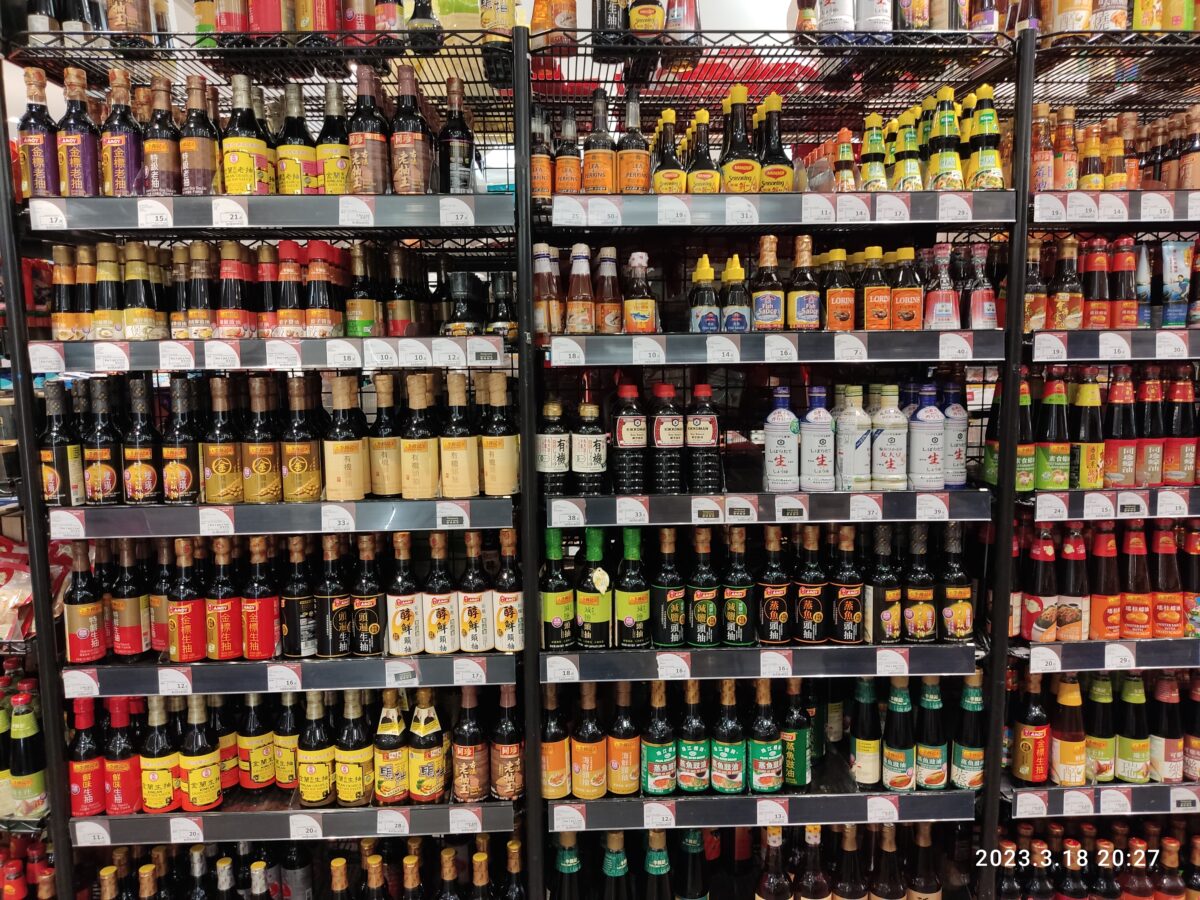
Soy sauce used to be linked mainly to certain cuisines and restaurant meals. Now, it’s a regular ingredient in American kitchens. People use soy sauce in marinades, stir-fries, sauces, grilled dishes, soups, and many home recipes. Restaurants add it to all kinds of meals, and food makers use it in prepared foods and flavor mixes.
This shift is part of a bigger trend: Americans are getting more interested in global flavors and trying out ingredients from other cultures. Asian-inspired foods and ingredients such as soy sauce, Asian-inspired foods and ingredients like soy sauce, miso, sesame oil, chili crisp, and other sauces are now found in regular grocery stores, not just specialty shops.rs to explore restaurant-style flavors in their own kitchens.
For Kikkoman, this means new opportunities in many parts of the food industry. One bottle of soy sauce could be for a home cook testing a new recipe, a restaurant creating a new dish, or a manufacturer making a packaged food. The Jefferson plant is built to serve all these different customers.
Why Wisconsin Became the Right Location
Kikkoman looked at several places before choosing Jefferson, Wisconsin. The company chose the area for several reasons, like access to farm suppliers, good water quality for production, and a skilled workforce for advanced food manufacturing. The plant is also in Jefferson’s Food and Beverage Innovation Campus, an area set up to attract food and drink companies.
The project should create over 80 jobs and boost work in construction, transportation, packaging, maintenance, and local services. Wisconsin has also offered tax incentives for the project, with benefits tied to investment and job creation goals. Big manufacturing projects like this can bring jobs and new economic activity to local communities.
A Factory Built for the Future
Today, food manufacturing is about more than just making more products. Companies are now investing in technology, efficiency, and better supply chain management. Kikkoman says its Jefferson plant uses digital systems for paperless operations, real-time data monitoring, and better product tracking.
These technologies help manufacturers improve quality control, spot problems faster, and manage complex supply chains. The company has also tied the plant to bigger environmental goals, like cutting emissions, using less water, and recycling more throughout its operations.
What Kikkoman’s Expansion Really Means
Kikkoman’s new Wisconsin plant is about more than just soy sauce. It shows a bigger shift in the food industry, with companies moving production closer to customers, investing in flexible manufacturing, and adapting to changing tastes. Global flavors are now part of everyday American meals, and companies are changing to keep up with that demand.
The Jefferson plant doesn’t change Kikkoman’s identity as a Japanese company with global reach. Instead, it helps the company serve North American customers better by producing locally. A simple bottle of soy sauce might seem ordinary. But behind it is a bigger story about globalization, manufacturing, and how people’s tastes are changing the future of food.