The Kitchen Warning Signs Every Home Cook Should Know After New Food Alerts
I still vividly remember the evening a slightly undercooked batch of chicken transformed our Sunday family dinner into an all-night ER visit. It was a stark, miserable reminder of just how fast a simple, well-intentioned home meal can turn into a dangerous health crisis.
With new food alerts making headlines daily, even small, everyday cooking habits can pose serious risks if you ignore the warning signs. According to the CDC, roughly 48 million Americans suffer from foodborne illnesses every year a sobering statistic that underscores why safe food handling isn’t just best practice, but essential.
Fortunately, protecting your home doesn’t require a culinary degree. By mastering a few quick kitchen checks focused on smart storage, spotless preparation, and precise cooking temperatures, you can effortlessly shield your family and keep every meal safe.
Keep your fridge at the right temperature
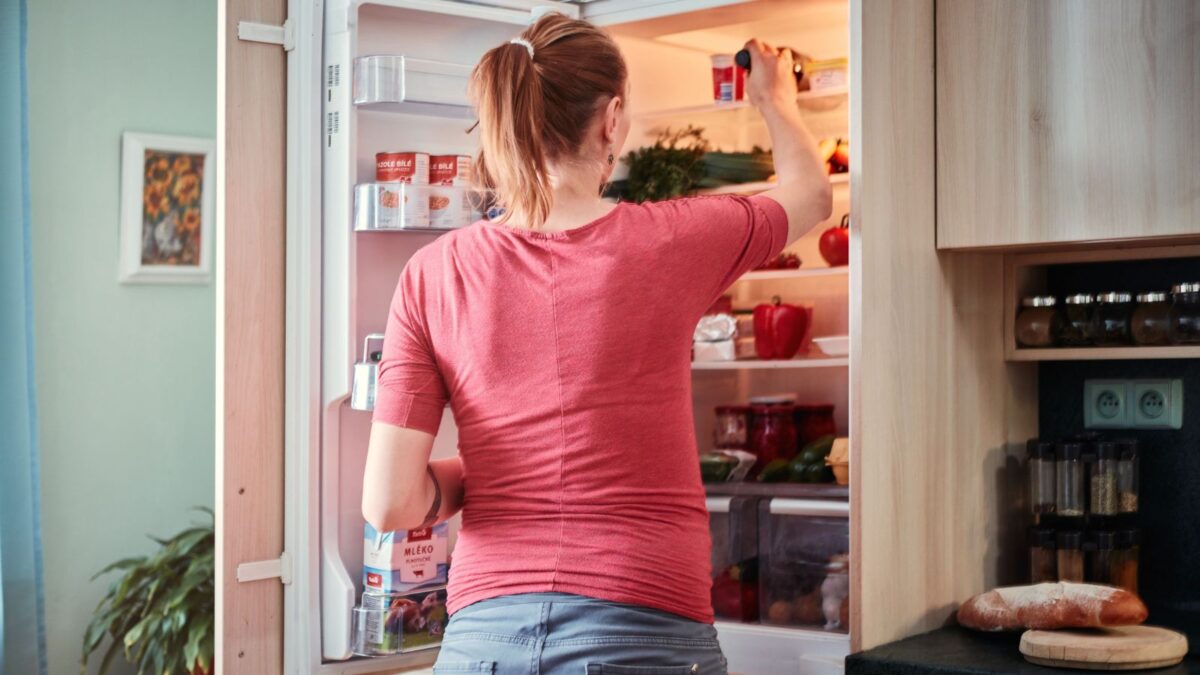
A refrigerator that runs too warm can give bacteria more time to grow. A fridge dial may not show the real temperature, so home cooks should use an appliance thermometer to check the actual reading. A warm refrigerator can put meat, dairy, eggs, seafood, and leftovers at risk.
Check the temperature after power interruptions, unusual noises, or changes in cooling performance. If the fridge reaches unsafe levels, don’t guess based on smell or appearance. A quick temperature check can prevent a hidden food safety problem before it reaches the dinner table.
Watch food left on the counter
Food sitting out too long can enter the bacterial danger zone and create a safety risk. The U.S. Department of Agriculture explains that the temperature range between 40°F and 140°F (4°C and 60°C) is known as the Temperature Danger Zone. Home cooks often leave dishes out during parties, family meals, or busy cooking sessions. Meat, poultry, seafood, eggs, dairy products, cooked dishes, and leftovers need prompt refrigeration.
Don’t taste food to decide if it’s still safe, because harmful bacteria may not change the smell, flavor, or appearance. A simple timer can help families track food sitting on counters and serving tables.
Keep raw food tools separate
Think of raw meat juices as sticky microscopic paint: touch a board, knife, or plate, and suddenly your crisp garden salad is wearing an unwanted bacteria coat! Cross-contamination is the sneaky villain of home cooking, but beating it is absurdly simple. Assign dedicated cutting boards for produce and meats, and treat raw-meat plates like toxic waste until you scrub them thoroughly.
Always wash your hands before leaping into a new task. A little kitchen spatial awareness keeps your salads fresh, your cooked dishes pristine, and your dinner guests entirely out of the bathroom. Simple habits, zero food drama.
Stop guessing about cooked meat
A cooked-looking meal does not always mean it reached a safe temperature. A food thermometer reliably checks meat, poultry, seafood, and egg products. Different foods require different temperature targets to be safe to eat.
Whole cuts of beef, pork, veal, and lamb require a minimum internal temperature of 145°F (62.8°C) followed by at least a three-minute rest time, according to guidance from the USDA Food Safety and Inspection Service. Ground meats need higher heat because grinding can spread bacteria throughout the product. Reheat leftovers and casseroles thoroughly before serving. Insert a thermometer into the thickest part of the food and avoid touching bone, fat, or gristle. A small kitchen thermometer can replace guesswork with a clear safety check every time.
Related: 6 Meats That Are Now Illegal to Eat in the United States
Cool leftovers the safe way
Large containers of leftovers can hold heat for too long and create uneven cooling. Warm centers inside deep containers can allow bacteria to multiply before the refrigerator lowers the temperature.
Home cooks should divide large portions into smaller containers before storage. Reheating also requires attention because food can feel warm while cold spots remain inside. Soups, sauces, and gravies should reach a strong boil during reheating. Proper storage helps families enjoy leftovers safely instead of wasting good food.
Skip rinsing raw chicken
Rinsing raw chicken doesn’t wash away danger; it gives germs an all-inclusive splash park pass to your sink, counters, and nearby prep tools. Food safety agencies agree it’s time to retire this old-school habit, since proper cooking temperatures destroy bacteria completely. If you’ve already given your poultry a bath, don’t panic.
The USDA Food Safety and Inspection Service recommends mixing 1 tablespoon of unscented, liquid chlorine bleach with 1 gallon of water to sanitize food-contact surfaces. Dry the area, wash your hands thoroughly, and stop bacteria from staging a stealth takeover of your kitchen!
Check food after a power outage

A refrigerator without power can create a hidden food safety issue because food may look normal after warming. After that period, perishable foods may become unsafe if temperatures rise too high. Meat, poultry, seafood, milk, eggs, and cooked leftovers need careful evaluation after an outage.
Don’t rely on smell, taste, or appearance, because unsafe bacteria can exist without obvious signs. If you have one, use a food thermometer and check temperatures before deciding what to keep.