10 Texas Wines That Show How Far the State’s Wine Scene Has Come
Texas wine has moved beyond a mere emerging curiosity. The state has eight federally recognized American Viticultural Areas, or AVAs, with vineyards stretching from the elevated Texas High Plains to the Hill Country and the state’s warmer regions.
Those varied conditions bring challenges including heat, freezes, and disease pressure, making grape selection especially important. Italian, Spanish, Portuguese, and southern French varieties have become increasingly significant, alongside hybrids such as Blanc du Bois, valued for resistance to Pierce’s disease.
International recognition is following. At the 2026 Decanter World Wine Awards, Texas earned 122 medals, the second-highest total among U.S. states after California. Four Texas wines received Gold medals, the state’s first Golds at the competition. Decanter also named Texas one of its “Regions on the Rise,” a sign the broader wine world is paying closer attention.
For drinkers curious about what Texas can do, these wines and producers offer a useful introduction.
Elisa Christopher Wines: Sparkling Wine
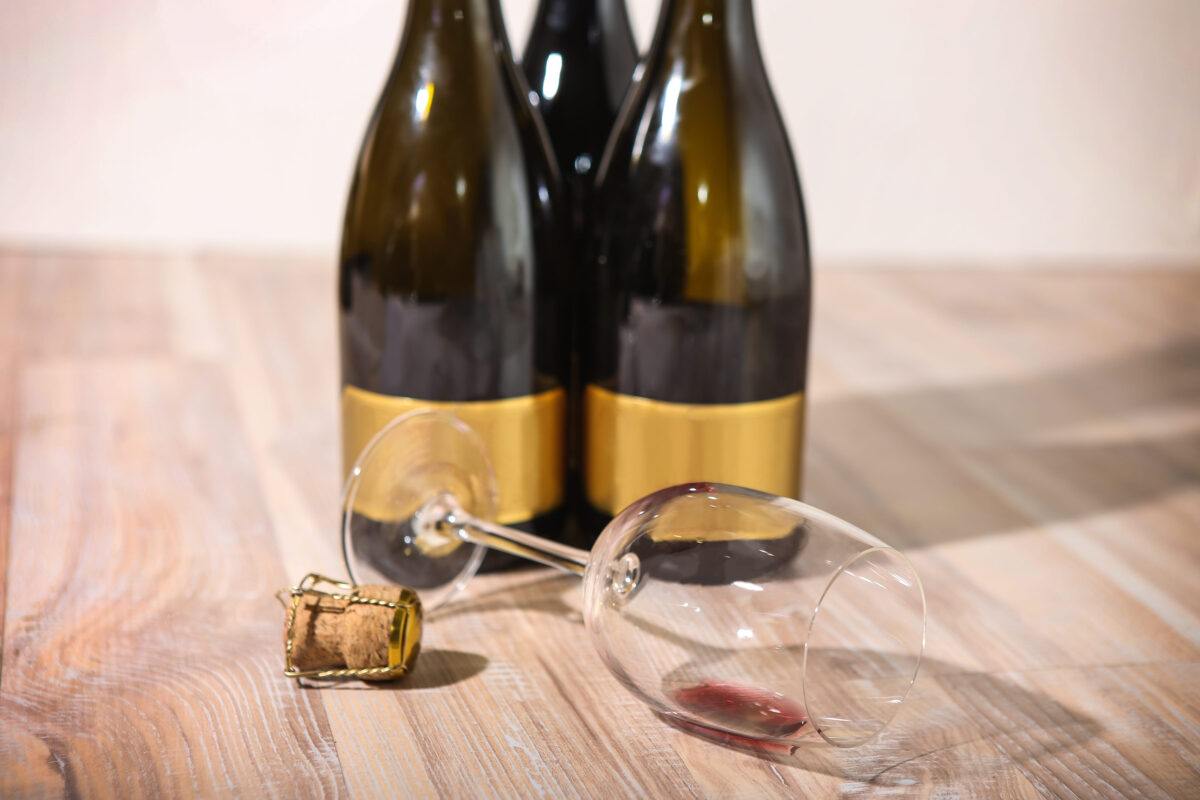
Elisa Christopher Wines has made traditional-method sparkling wine central to its identity. Founders Elisa and Chris Jones purchased their 43-acre property in 2022, and the winery says it uses only Texas-grown grapes. Its sparkling program has included varieties that are unconventional by Champagne standards, including Trebbiano, Blanc du Bois, Pinot Noir, and Picpoul. The producer has invested in equipment for riddling, disgorging, and other steps associated with traditional-method sparkling production.
The approach shows how Texas producers are adapting classic sparkling techniques to local fruit.
Duchman Family Winery: Vermentino
Duchman Family Winery was founded in 2004 by Lisa and Stan Duchman with a focus on Italian grape varieties grown in Texas. The winery works extensively with fruit from the Texas High Plains and has made Vermentino one of the varieties closely associated with its Italian-inspired approach.
Duchman points to the High Plains’ cooler temperatures and continental conditions as important to its program. Vermentino illustrates how producers are building an identity around varieties suited to Texas conditions.
Ab Astris Winery: Picpoul Blanc
Ab Astris is a family-owned winery in Stonewall, in the Texas Hill Country. Founded in 2018, it produces wines from Texas-grown fruit and maintains a 12-acre vineyard planted with varieties including Tannat, Souzao, Clairette Blanche, Petite Sirah, and Montepulciano.
The winery also has a track record with Picpoul Blanc. Earlier vintages of its Texas High Plains Picpoul have earned competition recognition. More broadly, Ab Astris drew major attention in 2026 when its 2022 Souzao earned a Gold medal and 96 points at the Decanter World Wine Awards.
Lewis Wines: Swim Spot
Swim Spot from Lewis Wines is one of the more distinctive Blanc du Bois expressions in the state. Current trade information identifies the wine as 100 percent Blanc du Bois, fermented in stainless steel with carbon dioxide added before bottling for light effervescence. It draws inspiration from the refreshing style of Portugal’s Vinho Verde.
Blanc du Bois is important in Texas because it resists Pierce’s disease, a serious bacterial threat to vineyards. Swim Spot shows that a disease-resistant hybrid can serve not only as a viticultural solution, but as the basis for an intentionally fresh, dry, lightly sparkling wine.
Wine for the People: Dandy Rosé
Winemaker Rae Wilson’s Wine for the People label centers on Texas-grown grapes. The 2025 Dandy Rosé is a dry still rosé made from 90 percent Mourvèdre and 10 percent Cinsault from La Pradera Vineyard in the Texas High Plains AVA.
Those varieties connect Texas to the wine traditions of southern France and the Mediterranean, where grapes suited to warm conditions have long played an important role. Dandy demonstrates how Texas rosé can develop a distinctive identity around varieties that work well in the state.
William Chris Vineyards: Cinsault
William Chris Vineyards has become one of the most internationally visible names in Texas wine. The winery reached No. 31 on the World’s Best Vineyards list in 2025, becoming the first Texas winery to enter the ranking’s top 50.
Its 2024 Lost Draw Vineyard Cinsault is made entirely from Cinsault grown in the Texas High Plains. William Chris describes notes of strawberry, red plum, tomato, cinnamon, and cedar, and recommends serving the wine at 59°F.
The bottle offers a different perspective on Texas red wine, emphasizing a Mediterranean variety rather than a Cabernet-centered model.
Lightsome Wines: Montepulciano
Lightsome Wines’ 2024 Montepulciano is another example of Italian grapes finding a place in Texas winemaking. The producer confirms that the wine is made from 100 percent Montepulciano and describes Bing cherry, cedar, and long pepper in its flavor profile.
Its presence alongside other Mediterranean varieties in the Lightsome portfolio reflects the experimentation that has become one of the most interesting features of the Texas wine scene.
Related article: 6-creative-ways-to-repurpose-old-wine-bottles/
Ron Yates Wines: Friesen Tempranillo
Tempranillo has become an important variety in Texas, and Ron Yates Wines offers a clear example with its 2021 Friesen Tempranillo from the Texas High Plains. The winery describes it as a bold wine with concentrated dark berry and cassis flavors and subtle leather notes.
The wine has also received competition recognition, reinforcing Tempranillo’s place in the state’s developing red-wine identity.
Bending Branch Winery: Tallent Vineyards Tannat
Bending Branch has made Tannat central to its reputation. Founded in 2009 by Robert W. Young, M.D., Brenda Young, and Alison Young, the winery combines traditional approaches with techniques such as cryo-maceration and Thermoflash fermentation.
Its 2022 Tallent Vineyards Tannat comes from the Texas Hill Country and was aged for more than 24 months. The winery describes earthy, cherry, black walnut, plum, eucalyptus, and sage characteristics and recommends pairings including smoked beef brisket.
It is a distinctly Texas presentation of a grape with roots in southwestern France.
Messina Hof: Bonarrigo Heritage Reserve
Messina Hof brings one of the deepest family histories to Texas wine. The Bonarrigo family traces more than 200 years and seven generations of winemaking heritage to Messina, Sicily. Paul Vincent and Merrill Bonarrigo established Messina Hof in Bryan in 1977.
The Bonarrigo Heritage Reserve continues that Italian connection. Messina Hof identifies the wine as a blend of Sagrantino, Primitivo, and Sangiovese, with savory herbs, spice, dark fruit, and structured tannins.
Together, these wines show why Texas is difficult to define with a single grape or style. Sparkling wine, crisp whites, rosé, lighter Mediterranean reds and powerful Tannat-based wines all have a place.
The common thread is adaptation. Rather than forcing Texas into another region’s model, many of its most interesting producers are choosing grapes and winemaking techniques that make sense for Texas itself. The state’s showing at the 2026 Decanter World Wine Awards suggests that those decisions are increasingly attracting attention far beyond its borders.
Other articles you may like:
– 9-fascinating-and-bizarre-stories-about-wine/
– what-happens-to-your-body-when-you-drink-wine-every-day/
– how-comfort-stacking-became-the-simple-trick-turning-ordinary-rooms-into-cozy-retreats/