The Sandwich Is Getting a New Home: Why Some New Shops Are Moving Into Existing Businesses
A sandwich shop no longer needs its own front door to get noticed. Across the country, food entrepreneurs are setting up inside bars, restaurants, cafés, and other existing businesses, turning underused kitchens, daytime-only spaces, and familiar hangouts into places where one visit can cover lunch, drinks, coffee, or a late-night bite.
The appeal is simple: the host business gets food without taking on the full burden of running a separate kitchen, while the sandwich maker can start serving customers without building an entire restaurant from scratch. In Columbus, Ohio, that model is becoming increasingly visible, with local reporting describing “restaurants inside restaurants” as common across the area.
One Door, Two Businesses
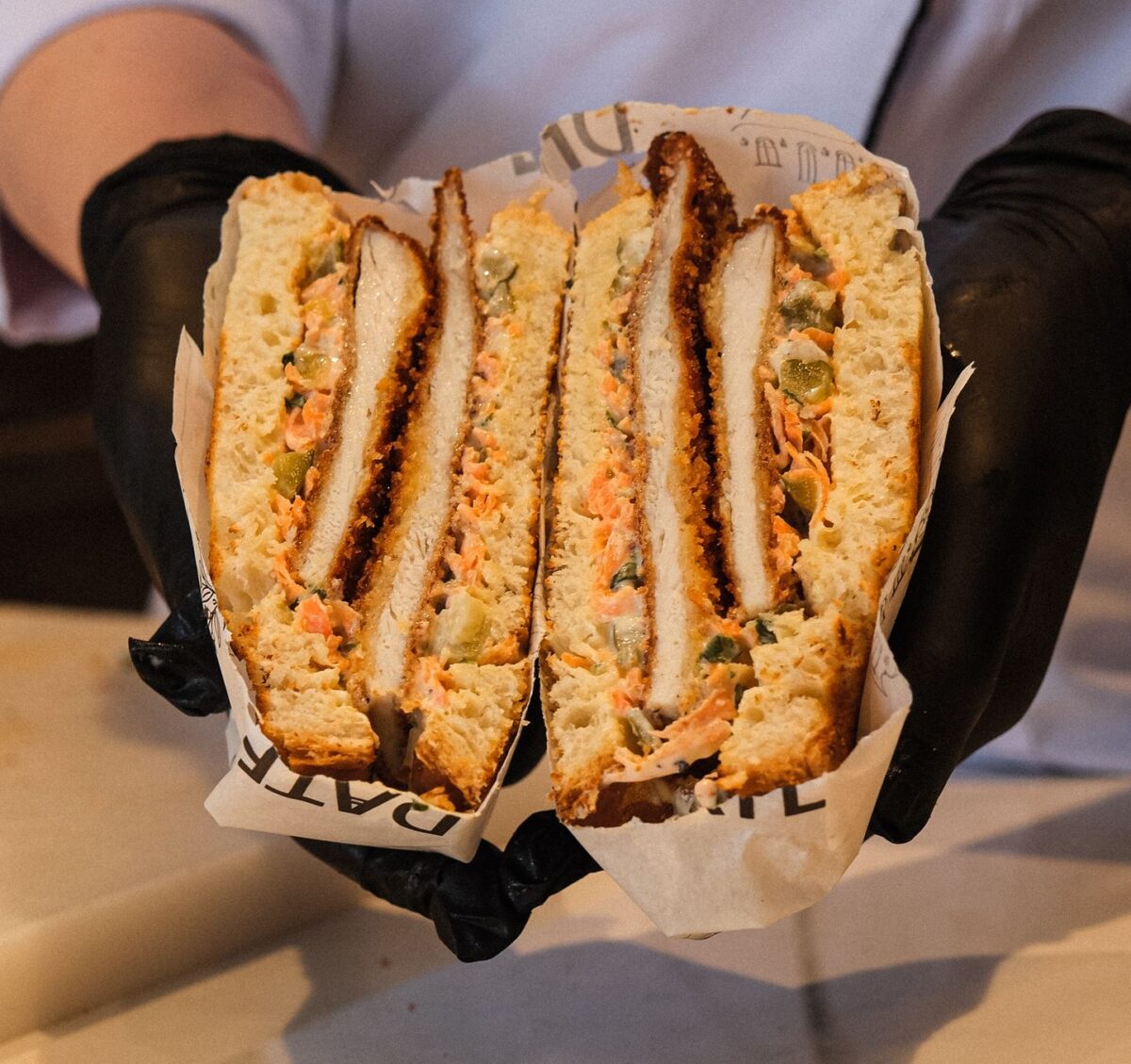
The arrangement can look different from place to place. A bar may bring in a sandwich operation to handle food, a restaurant may host a coffee business during hours when its own kitchen is quiet, or a food entrepreneur may move from a truck or pop-up into an established venue. The businesses remain distinct, but customers experience them as a convenient pairing: grab a drink, order a sandwich, and avoid the old question of whether a bar has anything more exciting than chips on the counter.
Central Ohio offers several recent examples. Fat Arnie’s Sandwich Shop has operated inside Rafter’s Beer Pub in Clintonville, while Bobby Jo’s Pizza has worked from Donerick’s Pub. In September, JamJam, previously a food truck and catering business, opened inside Sweet Harmony Canal, a bar and music venue in Canal Winchester. The business serves customers Tuesday through Friday, adding food service to a space that already had its own reason for visitors to stop by.
The arrangement can also give a food business a new lease on life after a disruption. Park Service Coffee reopened on Sept. 25 inside Metsi’s in Columbus’ Italian Village after its prior host, Woodhouse Vegan Cafe, closed in July. The coffee operation is open Wednesday through Sunday from 8 a.m. to 2 p.m., functioning as a daytime café and offering grab-and-go items from Metsi’s, including sandwiches, wraps, salads, and baked goods.
That kind of flexibility is the headline here. A business doesn’t always have to wait for the perfect vacant storefront, negotiate a large buildout, and install every piece of equipment from scratch before it can begin serving people. If a suitable host already has a functional space, a kitchen, or a customer base, the next sandwich shop may arrive through a side door rather than a grand opening in a standalone building.
Related: The “Sandwich Generation”: 8 Ways Families Share the Load of Caring for Parents and Kids
Why the Setup Makes Sense
For a bar, bringing in an independent food operator can solve a very practical problem: customers often want something to eat, but the bar owner may not want to manage a kitchen. The Columbus Dispatch described the trade-off directly, noting that tenants such as Fat Arnie’s Sandwich Shop and Bobby Jo’s Pizza take “running a kitchen off the worry list” for host bars while giving patrons another reason to visit. That is a neatly matched incentive, not a magic formula.
For new food businesses, sharing a location can reduce launch costs compared with opening an entirely separate restaurant. The Dispatch reported that operating inside someone else’s establishment “reduces the cost of doing business significantly” for guest chefs. The potential savings can be meaningful because a standalone restaurant often involves a lease, construction, equipment, utilities, permits, staffing, and a long stretch of expenses before the first sandwich crosses the counter.
Commercial real estate conditions add another layer to the appeal. A 2026 retail-and-restaurant outlook from Audiense said retail vacancy remains near historic lows, with limited new construction keeping competition for quality space elevated. The report also pointed to “recycled” or second-generation spaces, locations made available by closures, as selective opportunities for restaurant and retail brands. In that environment, a smaller, more adaptable setup can be a practical option for an operator who doesn’t need a massive dining room to make a memorable Italian sub.
There is also a consumer benefit that is less about spreadsheets and more about timing. A host venue can extend its usefulness across the day. Coffee operators can work morning hours in a restaurant that comes alive at dinner, while a sandwich counter can give a bar a proper lunch or late-night food option. That does not guarantee success, but it can make a space feel active during hours when it might otherwise be quiet. Park Service Coffee’s daytime schedule inside Metsi’s is a clear recent example of that kind of complementary use.
A Good Match Takes More Than Rent

Sharing a roof does not mean sharing every decision. The host and the food operator need clarity about who runs the kitchen, who employs the staff, how orders are handled, what happens with cleaning and inventory, and whether the brands complement each other. Customers may not care about the behind-the-scenes agreement, but they will notice if the ordering process is confusing or if they cannot tell whether the sandwich counter is open.
The food-service industry itself emphasizes the importance of fit. Guidance from restaurant supplier WebstaurantStore advises businesses considering an in-house restaurant to closely examine their existing customer base and choose food that complements, rather than undermines, the main operation. Its examples include a farm-to-table café in a grocery store, a coffee shop in a bookstore, and a casual gastropub in a movie theater. A sandwich business inside a bar or café can follow that same logic: it should add something the location’s customers are likely to want, not compete with the reason they came in the first place.
The details also have legal and operational consequences. WebstaurantStore notes that adding food service may require permits and licenses, building approvals, compliance with zoning rules, and landlord approval if the property is leased. Requirements differ by location, so an arrangement that works in one neighborhood may require a different set of approvals elsewhere. The menu board may be exciting, but the less glamorous paperwork is still part of putting a sandwich shop inside another business.
For diners, the trend can make a favorite neighborhood place feel newly useful. A pub with a serious sandwich counter, a restaurant with morning coffee service, or a bar-and-music venue that now offers food can turn a one-purpose stop into an easy destination. It also reminds us that “new restaurant” does not always mean a newly built restaurant. Sometimes it means a sharp sandwich idea finding the right host, the right kitchen, and a crowd already waiting on the other side of the door.