8 Grocery Store Features That Have Slowly Disappeared
Grocery shopping used to involve more than filling a cart and heading for the checkout. In many supermarkets, shoppers could ask a butcher for a custom cut, scoop just enough beans or flour for a recipe, pick up a printed dinner idea, or build a meal from an open salad or hot-food bar.
Those experiences have not disappeared everywhere. Many still survive at regional chains, specialty grocers, premium supermarkets, and independent stores. But they have become less central as food retail has moved toward self-service, prepackaged products, centralized preparation, grab-and-go meals, and digital shopping tools.
Here are eight once-familiar grocery store food experiences that are now less common in many supermarkets.
Full-Service Butcher Counters
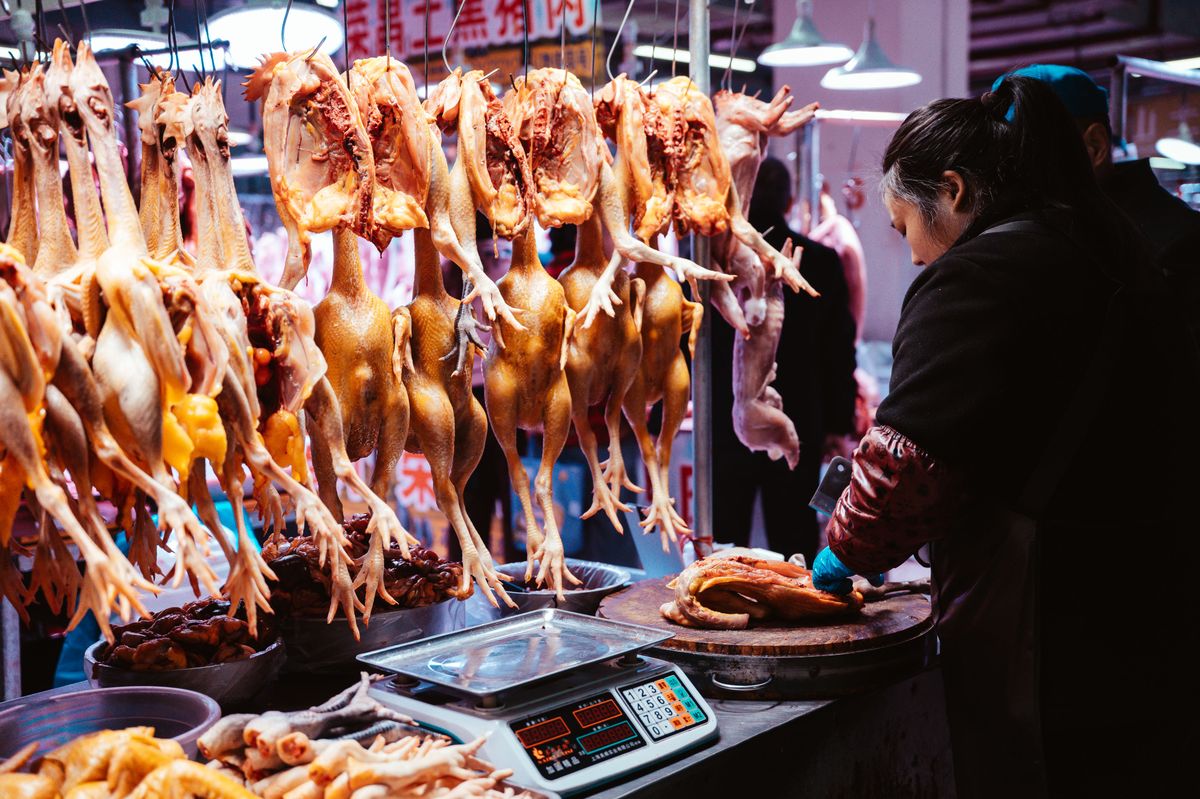
A traditional meat counter gave shoppers something a sealed package could not; a conversation. You could ask for steaks cut to a certain thickness, have meat trimmed or ground, request a particular quantity, and sometimes get advice about which cut would work best for dinner.
That kind of service has become less central as self-service meat cases have taken over much of the department. Industry reporting cited in the research notes says most meat purchases now come from self-service cases. At the same time, full-service counters can represent only a small share of meat sales at many retailers.
The butcher counter is not extinct, though. Service-focused regional grocers still promote custom cutting, tenderizing, seasoning, and grinding.
Related: 6 Grocery Traditions From The ’80s That Don’t Exist Anymore
Meat Cut and Wrapped Inside the Store
Not every change was visible to shoppers. Older supermarket meat departments often did much more of their cutting, portioning, wrapping, and labeling on site. That gave stores the flexibility to produce different package sizes, cuts, roasts, chops, and ground meats based on local demand.
Over time, more of that work moved to centralized processing plants. A national meat-case audit cited in the research found that case-ready meat rose from 49% of packages in 2002 to 64% in 2007.
The broader trend has continued toward meat arriving at stores already cut, packaged, labeled, and ready for the refrigerated case. For shoppers, the difference is mostly one of convenience: grab a package and go.
Traditional Self-Serve Salad Bars
For years, the supermarket salad bar functioned as both a lunch counter and an ingredient station. Shoppers could fill a container with greens, vegetables, cheese, eggs, proteins, toppings, and dressing, then pay by weight.
Traditional salad bars were already under pressure before the COVID-19 pandemic, according to the research, and the pandemic made open self-service food especially difficult. They require constant restocking, cleaning, temperature control, and monitoring, while shared utensils and exposed food created additional concerns.
Many stores shifted toward packaged salads, grab-and-go meals, staffed stations, or more enclosed salad-bar systems. Some supermarkets still offer the old format, but it is no longer as automatic a fixture as it once seemed.
Self-Serve Hot-Food Bars
The hot bar once turned a grocery trip into an easy dinner stop. Instead of cooking from scratch, shoppers could choose an entrée and add sides, soup, wings, pasta, or other prepared foods from an open buffet.
That format suffered many of the same pressures as the salad bar. It requires labor, frequent replenishment, careful temperature control, sanitation, and management of unsold food. During the pandemic, many stores temporarily shut down self-service food bars, and some leaned more heavily into packaged alternatives afterward.
In many supermarkets, sealed refrigerated meals, heat-and-eat entrées, meal kits, and packaged sides now fill more of the role once occupied by open hot-food stations.
Bulk Bins for Pantry Staples
Bulk bins offered a very different way to shop for ingredients. Instead of buying a fixed-size bag, shoppers could scoop or dispense exactly as much rice, beans, flour, oats, nuts, candy, dried fruit, or spices as they wanted.
That made the section especially useful for home cooks who needed only a small amount for a particular recipe. But bulk departments can be demanding to operate. Stores have to manage spills, product loss, labeling, sanitation, customer education, and cross-contamination concerns.
Those issues became even more noticeable during the pandemic. Bulk shopping is still common at some natural-food stores, food co-ops, zero-waste shops, and specialty grocers. In many conventional supermarkets, though, neatly packaged pantry goods have become the simpler default.
Printed Recipe-Card Kiosks
Before shoppers carried thousands of recipes in their pockets, some supermarkets placed printed recipe cards right in the aisle.
The idea was simple: give customers a dinner suggestion while they were standing near the ingredients needed to make it. A recipe for pasta, soup, chicken, or a side dish could encourage shoppers to pick up the featured sauce, produce, spices, dairy products, or meat.
These displays were a real supermarket marketing tool. The research notes, for example, cite a 1994 test of recipe-card kiosks in 21 Chicago-area Dominick’s stores, following a similar program used in more than 100 other supermarkets.
Today, that meal-planning role has largely moved to supermarket websites, apps, social media, digital coupons, QR codes, and online recipes.
The Service Deli as the Default Way to Buy Sliced Meat and Cheese
Buying sandwich meat once commonly meant taking a number, waiting at the deli counter, and telling a clerk exactly how much turkey, ham, salami, roast beef, or cheese you wanted.
You could choose the quantity and often the thickness, which made the counter useful for everything from lunchboxes to party trays. Full-service deli counters are still widespread, but they are no longer the only obvious option.
Over time, supermarkets have devoted more space to vacuum-packed, presliced meats and cheeses that shoppers can pick up without waiting. Those packages offer convenience, longer shelf life, and access even when the staffed counter is closed. The result is not the disappearance of the deli counter, but a shift toward more self-service purchasing.
Regular Cooking Demonstrations and Food Sampling
A small table with a skillet, cutting board, or tray of samples could once turn part of the grocery store into a miniature cooking class. Store employees, chefs, or brand representatives might prepare a product, explain how to use it, and hand shoppers a taste.
For home cooks, the demonstration could answer a practical question immediately: What does this taste like, and what could I make with it? The research does not support the claim that grocery-store demonstrations have disappeared.
They still show up at warehouse clubs, promotional events, specialty stores, and selected supermarket locations. But in many stores, routine demonstrations have become more episodic and event-driven. Online recipe videos, social media, retailer apps, and digital product content now perform some of the same discovery work.
Other Posts You May Like