Why More Restaurants Are Putting Breakfast Foods on Their Menus All Day
A chicken biscuit for lunch. French toast in the afternoon. Pancakes when the day has already gone sideways. Breakfast foods are finding more room outside their traditional morning window because customers want flexible meals, and restaurants see opportunities to serve familiar favorites at additional times of day. The shift is less about declaring every hour brunch and more about letting popular foods work beyond the alarm-clock crowd.
The Clock No Longer Gets the Final Say
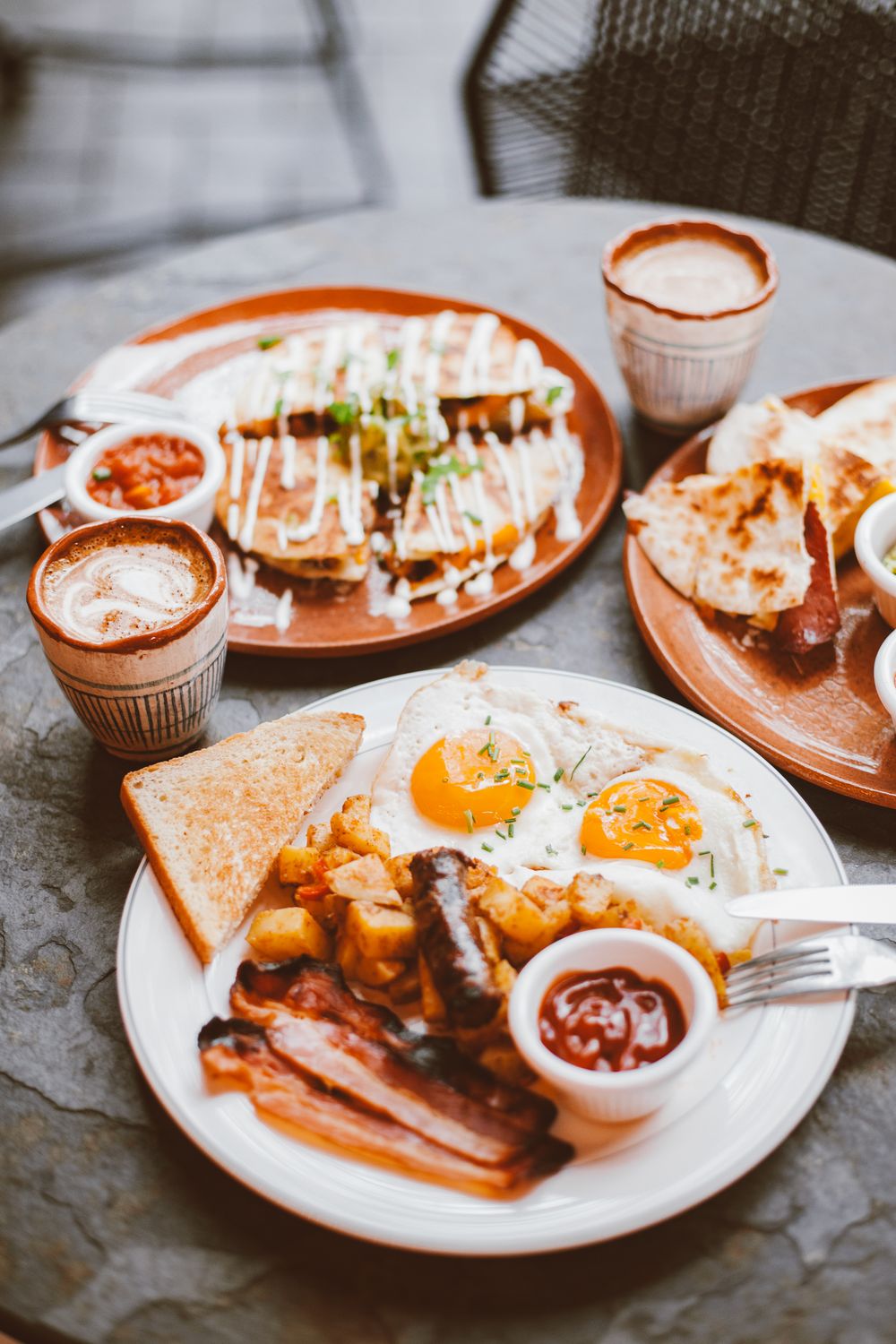
Breakfast’s expansion starts with a simple distinction: food associated with the morning doesn’t have to be eaten then. US Foods points to pancakes, waffles, French toast, and breakfast sandwiches as items that can fit breakfast, brunch, snacks, or late-night menus. That gives operators choices. They can extend selected favorites rather than reproduce an entire breakfast service all day, letting a biscuit or sandwich cross the time boundary without requiring every omelet and side dish to follow.
Brunch has helped loosen those boundaries, too. Datassential reported in 2023 that nearly one in four surveyed operators saw brunch sales increase over the previous year. One-third had extended brunch into mid-afternoon, while one-quarter began serving it early in the morning. These findings don’t count all-day breakfast restaurants, but they show an earlier stage of the same movement: restaurants adapting service hours to how customers want to eat, rather than treating the menu as a rigid timetable.
The opportunity also extends beyond conventional restaurant dining rooms. US Foods describes college and university operators developing portable breakfast options for students with varied schedules, while hotels seek convenient grab-and-go choices for guests. Those are different businesses with different customers, not proof of one universal restaurant strategy. What connects them is a practical demand for food that fits the person’s day. A breakfast sandwich is especially useful when sitting down for a plate of eggs isn’t an option.
Related:McDonald’s Plans $8.5 Billion Push to Modernize Restaurants Through 2036
Familiar Foods Can Find New Occasions
Popeyes offers a timely example of how breakfast-associated food can enter a menu without the company announcing a traditional breakfast service. On Sept. 28, 2026, the chain introduced its Honey Chicken Biscuit nationwide at participating restaurants for $5, with prices varying by location. It pairs fried chicken with a larger buttermilk biscuit and two packets of honey sauce. Popeyes describes it as “perfect for any meal of the day,” making it flexible from the start.
The idea also started with something customers already did. Popeyes says fans had combined its chicken, biscuits, and honey themselves before the chain made the combination an official sandwich. “We’re always looking for new ways to bring our most iconic items together,” Chief Marketing Officer Matt Rubin said in the announcement. He called the finished sandwich “simple” and “unmistakably Popeyes.” That is the company’s marketing assessment, but it explains the product strategy: rearrange familiar ingredients into a format that can attract another order.
That distinction keeps the trend from becoming a misleading “everyone serves breakfast now” story. A restaurant can put a chicken biscuit on an all-day menu without opening earlier, serving coffee-and-egg combos, or installing a pancake station. Popeyes’ announcement introduces a new sandwich and its availability; it doesn’t announce a chainwide morning menu. For customers, the result is still meaningful: a food they might associate with breakfast becomes an option when they are ordering lunch or another meal.
Portability helps make that possible. Sandwiches and other handheld foods fit takeout, travel, and quick eating occasions more easily than a heavily loaded breakfast plate. US Foods identifies grab-and-go demand as a major influence on breakfast development, alongside the need for faster service and consistent portions. The appeal is not necessarily that breakfast foods are replacing dinner altogether. Instead, a familiar format can serve someone who wants a manageable meal without a lengthy sit-down stop.
All-Day Breakfast Still Has to Work in the Kitchen
geckophotos/ 123RF
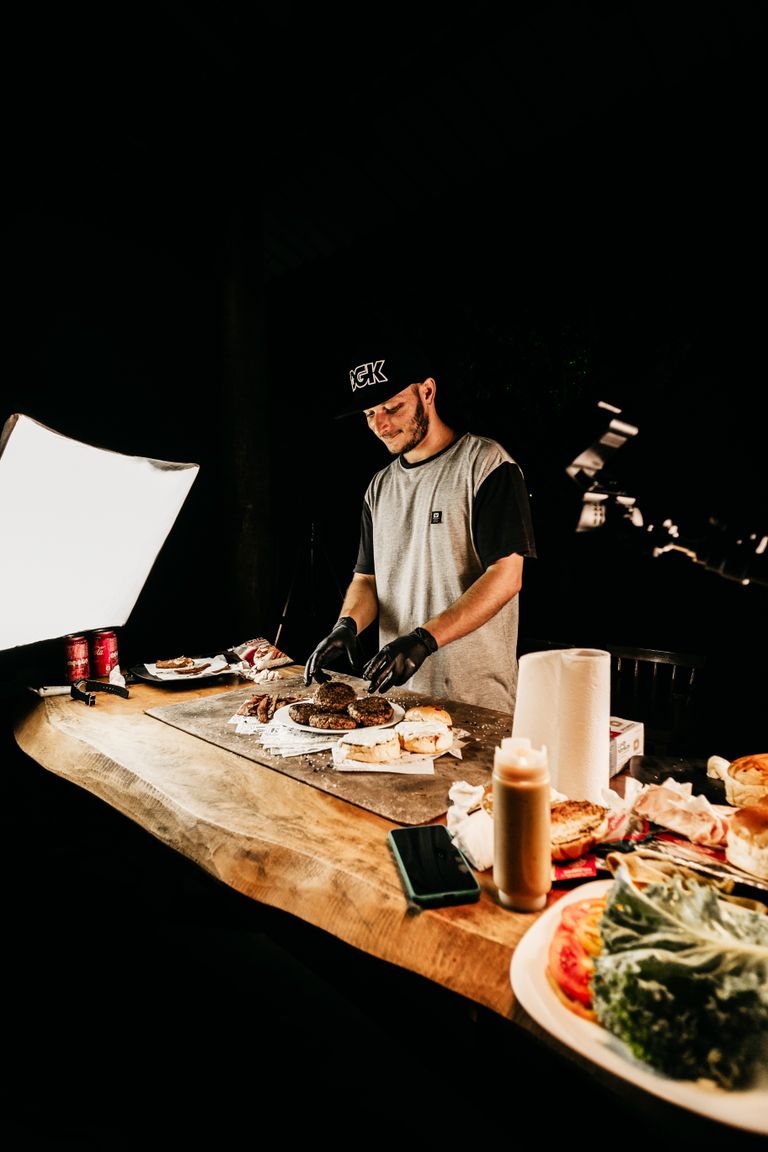
For operators, however, customer enthusiasm is only half the equation. US Foods notes that restaurants must contend with labor shortages, rising costs, and pressure to serve quickly. Extending breakfast can therefore require recipe changes, portion adjustments, different suppliers, or selective price increases. A menu item may sound effortless to the person ordering it, but the business still has to keep ingredients available, prepare it consistently, and fit it into the rest of service. “All day” is a promise the kitchen must keep.
Eggs provide a clear reminder that breakfast isn’t automatically a cheap operational shortcut. US Foods cited data showing that nearly two-thirds of foodservice decision-makers reported challenges with egg prices and supply over the preceding year. That statistic reflects the surveyed decision-makers, not every restaurant in America, but it shows why adding egg-heavy dishes requires careful planning. Demand for breakfast beyond the morning doesn’t eliminate the ingredient-related cost and sourcing challenges.
The most useful way to understand the movement is flexibility. Some operators extend brunch; others offer portable breakfast items or introduce a biscuit sandwich built from existing favorites. Customers gain more freedom to eat familiar foods when they want, while restaurants create additional occasions to sell them without overwhelming their kitchens. Breakfast has not abolished the clock. It has simply stopped letting the clock make every decision, and that is good news for anyone whose pancake craving arrives several hours after sunrise.