7 Foods You Should Think Twice About Packing for a Picnic
That picnic spread might look irresistible on your kitchen counter, but getting everything to the park in good condition is another story. A beautiful dessert can lose its decorations, a crispy snack can turn soft, and a perfectly assembled sandwich might arrive with damp bread.
The secret to a successful picnic isn’t just choosing delicious food. It’s choosing food that travels well. Some favorites need extra cooler space, while others require careful packaging or last-minute preparation. ~
Before filling your picnic basket, consider these seven foods that might need a little more planning.
Mayonnaise-Based Potato Salad
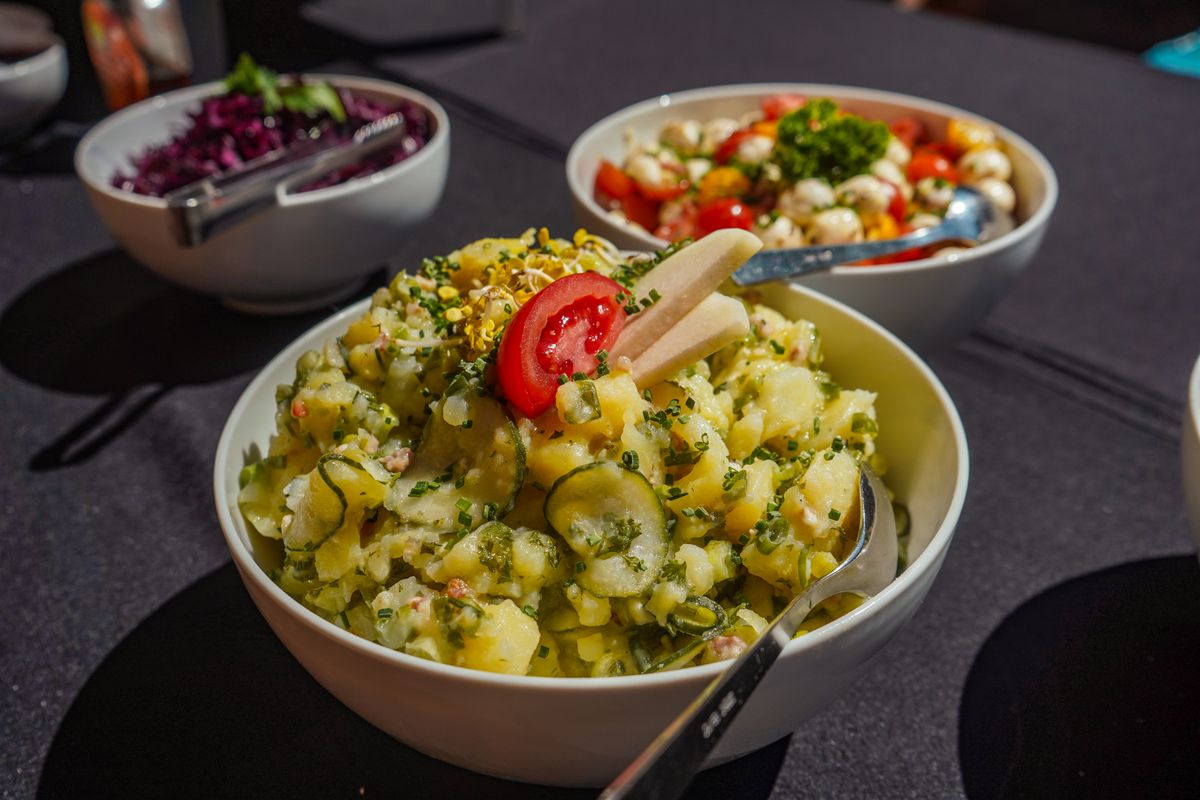
Potato salad deserves its reputation as a picnic favorite, but that big bowl comes with a practical challenge. It needs reliable cold storage from the moment you leave home until you’re ready to serve it.
According to the USDA’s outdoor food-handling guidance, potato salad belongs among the perishable foods that require cooler storage. Mayonnaise isn’t the only concern: even potato salad prepared with commercial mayonnaise made from pasteurized eggs still requires proper temperature control.
The easiest solution is to refrigerate the salad before leaving and pack it in a cooler with ice or frozen gel packs. Serve smaller portions and leave the remaining salad chilled until needed.
If you don’t have room for a cooler, a shelf-stable side dish may be a more convenient choice.
Deli-Meat Sandwiches
Few picnic meals seem easier than sandwiches. Make them at home, wrap them up, and lunch is practically finished before you leave. Unfortunately, assembling everything too early can create a disappointing surprise.
Tomatoes, lettuce, and moist dressings may change the texture of bread during transportation. Meanwhile, deli meats require cold storage, making these sandwiches less convenient when cooler space is limited.
The USDA recommends packing ingredients such as lettuce, tomatoes, and mayonnaise separately when preparing frozen sandwiches, then adding them at mealtime.
You can use a similar approach for your picnic. Keep the perishable fillings properly chilled, pack wetter ingredients separately, and assemble everything when you’re ready to eat. For outings without refrigeration, peanut butter and jelly sandwiches are another option identified in USDA guidance.
Deviled Eggs
Deviled eggs can look impressive arranged neatly on a serving platter. But getting them to your picnic destination without disturbing their filling requires more attention than you might expect.
Their rounded shape makes them awkward to transport, especially when the container doesn’t provide individual spaces.
An Allrecipes contributor described having deviled eggs slide together during transportation. On a later outing, the writer used cupcake liners inside an egg carrier to help keep them separated. That’s a useful idea worth considering, although it doesn’t guarantee that every egg will arrive perfectly arranged.
A covered carrier with individual compartments is a sensible starting point. Keep it level inside your cooler, and consider cupcake liners for additional separation. Because prepared eggs also require cold storage, your setup needs to protect both their appearance and their chilled condition.
Related: 10 Tourist Habits That Make Locals Quietly Roll Their Eyes
Buttercream-Frosted Cakes
A beautifully decorated cake can be the centerpiece of your picnic. Unfortunately, delicate buttercream decorations aren’t always suited to spending an afternoon outdoors.
Warm conditions can affect the shape and appearance of certain frostings, especially elaborate piped designs.
King Arthur Baking demonstrated this by exposing different frosting formulations to heat from a hair dryer. All-butter American buttercream lost its shape, while a version made entirely with shortening held up better. The demonstration wasn’t an outdoor picnic experiment, but it shows why frosting ingredients matter when temperatures rise.
If you’re bringing a cake, choose a sturdy container and keep it cool when practical. Consider saving elaborate decorations for indoor celebrations. Plain cookies offer another convenient option when you want dessert without worrying about damaged frosting.
Ice Cream
Ice cream sounds like the perfect ending to a sunny picnic, until you open the container and discover that your dessert has become something closer to a milkshake.
Unlike foods that simply need refrigeration, ice cream requires freezing conditions to maintain its familiar texture.
The FDA distinguishes between refrigerated storage at 40°F or below and freezer storage at 0°F or below. An ordinary picnic cooler suitable for chilled foods won’t necessarily keep ice cream frozen, making that frozen consistency difficult to maintain during a lengthy outing.
Instead of packing ice cream for the entire journey, consider buying it near your destination when you’re ready for dessert. If you prefer something that requires less attention, cookies are much easier to transport.
Crispy Fried Foods
Golden fries and crunchy onion rings are wonderful when they’re freshly prepared. But packing them for a picnic can leave you wondering where all that satisfying crispness went.
The problem often starts with steam. As Serious Eats explains, hot fried foods release steam inside closed takeaway containers. That moisture can collect and soften the crispy coating.
By the time you reach your picnic blanket, those fries might no longer have the texture you were looking forward to. Vented packaging may help moisture escape, although it doesn’t eliminate the need for appropriate temperature control when transporting perishable foods.
If crunch is your main priority, consider packing crackers instead. Another option is to enjoy freshly fried sides closer to the time you plan to eat.
Related: 9 Camping Habits That Make Other Campers Furious
Pre-Cut Watermelon
Few picnic foods look more inviting than a container filled with colorful watermelon pieces. They’re easy to portion and convenient to share, but the container you choose matters.
The University of Minnesota’s Real Life, Good Food recommends keeping cut watermelon in an airtight container in the refrigerator. For outdoor transportation, USDA guidance also recommends watertight containers to keep cooler water away from food.
Choose a container with a tightly fitting lid and carry the cut fruit chilled. That simple decision can make serving easier and reduce the chance of an unwanted spill.
If cooler space is already crowded, whole apples may be a more practical alternative. Just remember to wash fresh produce before packing it, as the FDA recommends.