You’re Using Your Dishwasher Wrong. Experts Reveal Why You Should Never Pre-Rinse Pots and Crockery
For years, millions of Americans have followed the same kitchen routine: scrape plates, rinse off the remaining food, and carefully load everything into the dishwasher. It seems logical. After all, surely cleaner dishes going in mean cleaner dishes coming out?
Not necessarily. Appliance specialists and cleaning experts say this familiar habit could waste water, increase household costs, and, in some circumstances, leave dishes less thoroughly cleaned.
The advice might sound strange, especially to anyone who grew up believing dishes needed a good rinse before going into the machine. However, modern dishwashers are designed to handle much of the work homeowners used to do themselves.
Experts’ message is surprisingly simple: Scrape your dishes, but don’t automatically rinse them.
The reason has everything to do with how today’s dishwashers and detergents work.
Why Experts Say Pre-Rinsing Is Unnecessary
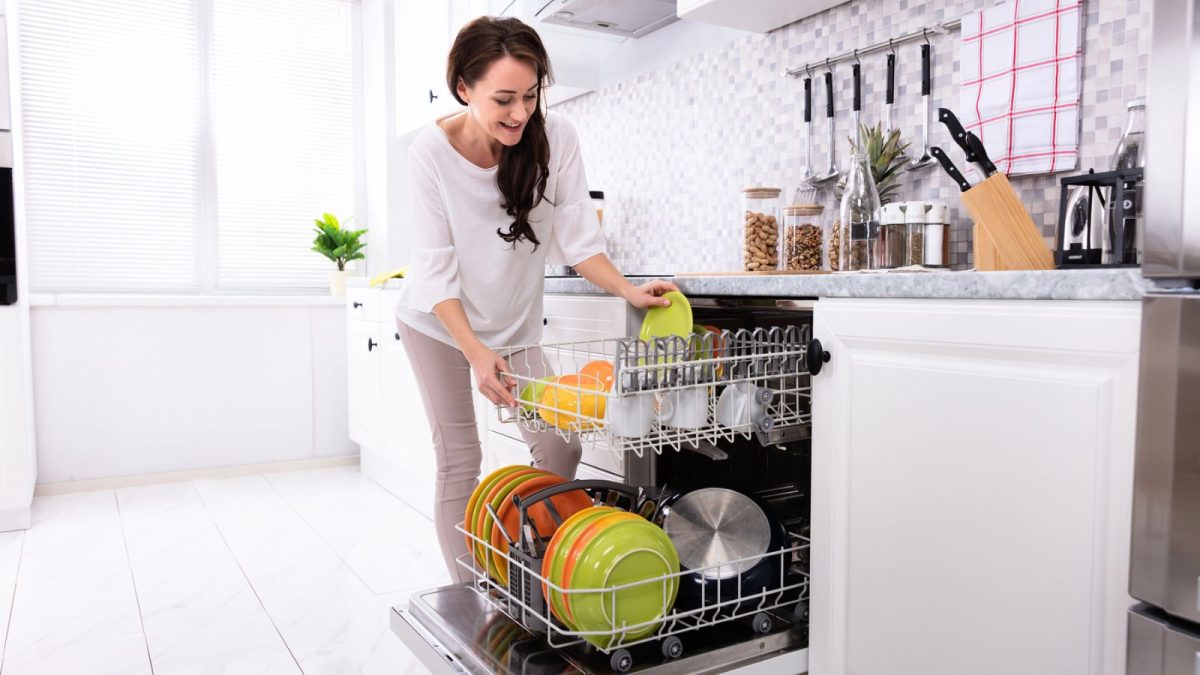
A plate covered in pasta sauce or a bowl with leftover oatmeal might look too dirty to put straight into the dishwasher. Yet that is precisely the kind of cleaning job modern machines are designed to handle, provided large pieces of food are removed first.
Rinsing dishes before loading them increases the total amount of water and energy used.
Instead, the program recommends scraping leftover food directly into the trash or compost before loading dishes into the machine.
This doesn’t mean placing an entire plate of leftover spaghetti inside the machine. Large food scraps should still be removed to avoid interfering with the dishwasher’s operation.
But small amounts of sauce, grease, and food residue generally don’t require a separate rinse.
For households accustomed to spending several minutes washing dishes before washing them again, the change could eliminate an unnecessary daily chore.
Your Dishwasher May Be Smarter Than You Think
One reason experts discourage pre-rinsing involves technology hidden inside many modern dishwashers.
Some machines contain soil sensors that monitor how dirty the wash water becomes. The dishwasher uses that information to help determine how much cleaning is needed.
When plates enter the machine almost spotless, certain sensor-equipped models may interpret the load as relatively clean and adjust the wash accordingly.
That can become a problem when some dishes still have stubborn food residue attached.
He explained that pre-rinsing can sometimes interfere with how a dishwasher determines how much cleaning is required.
“You may actually get worse results with your cleaning if you pre-rinse things than if you don’t,” Iredale said.
Not every dishwasher uses the same sensors or automatically adjusts its cycle in the same way. Nevertheless, the advice highlights why thoroughly washing dishes before loading them isn’t always beneficial.
The machine needs to do the cleaning job it was designed for.
Related Post:9 Common Dishwasher Myths Debunked: Expert Advice for Cleaner, More Efficient Use
Dishwasher Detergent Is Designed to Break Down Food
The argument against pre-rinsing doesn’t stop with dishwasher technology. Modern detergents also play an important role.
Many dishwasher detergents contain specialized enzymes that help break down food residue. Different enzymes target substances such as starches and proteins, helping the washing process remove material that would otherwise cling to dishes.
That includes the everyday mess left behind after meals, from breakfast cereal to pasta.
The enzymes don’t literally need dirty dishes to activate, but they break down the residue homeowners often wash away unnecessarily.
Think about what happens when you scrub a dinner plate under running water until it looks almost clean. You have already done much of the work your detergent was meant to do.
That means spending additional time and water on a task the dishwasher could often handle.
For many households, the most practical approach is to remove larger scraps and let the detergent handle what remains.
The Water Waste Can Be Much Bigger Than You Realize
One of the strongest arguments against pre-rinsing involves the amount of water that can disappear down the kitchen drain.
According to the Portland Water Bureau, rinsing dishes for five minutes under running water can use up to 12 gallons, depending on the faucet.
That’s a remarkable amount when compared with the water requirements of an efficient dishwasher.
The same agency reports that an efficient dishwasher may use around 3.2 gallons per load, while standard models can use more.
These figures vary by appliance, cycle, faucet, and household habits. Still, they show how unnecessary rinsing can undermine the water savings efficient dishwashers offer.
The financial impact may seem insignificant after one dinner. However, rinsing dishes every day adds up over weeks and months.
Households that pay for water and water heating may spend money on a cleaning step that offers little additional benefit.
The solution doesn’t require buying an expensive appliance or changing the entire kitchen routine.
Simply turning off the faucet and scraping dishes instead can reduce water consumption immediately.
But What About Pots With Burned-On Food?
This is where the advice needs a bit of common sense.
Ordinary food residue generally doesn’t require pre-rinsing, but heavily burned or stubbornly dried-on food presents a different challenge.
A saucepan with scorched rice or a baking dish covered in hardened cheese may need additional attention.
Soaking particularly stubborn residue can help loosen it before washing. For suitable dishwasher-safe cookware, a heavy-duty or pots-and-pans cycle may also provide better results than a standard wash.
Portland’s water-efficiency guidance recommends matching dishwasher cycles to the load type, including using heavier settings for tougher messes.
That doesn’t mean every dirty pot needs to be scrubbed spotless first.
Instead, assess the cookware’s condition before deciding whether it needs soaking or extra prep.
Some cookware also requires special care. Cast iron, certain nonstick pans, wooden utensils, and delicate materials may not be dishwasher-safe, depending on the manufacturer’s instructions.
The important distinction is between preparing heavily soiled cookware when necessary and routinely rinsing everything, regardless of how dirty it is.
Scraping Food Is Still Essential
Skipping the rinse doesn’t mean throwing dishes into the dishwasher without any preparation.
Large food scraps can collect in filters, disrupt water circulation, and cause cleaning problems.
Before loading, remove bones, vegetable peelings, large pasta pieces, and other substantial leftovers.
A spoon, fork, or spatula is usually enough to scrape food into a trash container or compost bin.
There’s no need to make every surface spotless.
The goal is to remove material that the machine shouldn’t have to process while leaving ordinary residue for the detergent and wash cycle.
Also clean the dishwasher’s filter according to the manufacturer’s instructions.
A clogged or neglected filter can contribute to unpleasant odors and leave particles circulating inside the machine.
For homeowners who have noticed dishes coming out dirty, maintenance and loading technique may deserve attention before returning to an extensive pre-rinsing routine.
Loading the Dishwasher Correctly Matters More
Even a powerful dishwasher can struggle when dishes are packed too tightly.
Water needs room to circulate, and spray arms must rotate freely.
Plates should be positioned according to the rack design, and bowls should face toward the direction of the spray rather than trapping water inside.
Large pots and baking dishes should not block detergent dispensers or prevent water from reaching smaller items.
Overcrowding can leave hidden surfaces untouched, forcing homeowners to rewash dishes afterward.
Also check that utensils aren’t nesting together, especially spoons that can overlap and prevent proper cleaning.
For especially dirty loads, the right cycle can matter more than rinsing every item beforehand.
A correctly loaded dishwasher lets detergent, water, and spray pressure work together effectively.
That is far more useful than carefully washing every plate only to stack the dishes so tightly that the machine cannot reach them.
What If Dirty Dishes Sit Overnight?
Not everyone runs the dishwasher immediately after dinner.
In smaller households, it may take a day or two to accumulate enough dishes for a full load. That raises another concern: What happens when leftover food dries onto plates?
ENERGY STAR recommends using the dishwasher’s rinse feature when dishes need to sit overnight, rather than rinsing everything individually under the faucet.
This can use considerably less water than washing each plate by hand before loading.
However, the best approach depends on the machine and how long the dishes will remain inside.
If the dishwasher has no rinse feature, consult its manual for recommended practices. Stubborn dried-on food may occasionally require soaking or a more intensive wash.
Don’t treat every slightly dirty plate like an emergency that needs immediate rinsing.
A few minutes spent choosing the right cycle or maintaining the filter may be more useful than washing dishes twice at the sink.
Posts You Might Like:
7 Everyday Appliances That Are Silently Increasing Your Water Costs