7 Restaurant Menu Words That Usually Mean You’re Paying More
Ever notice how one fancy word can make a restaurant dish sound twice as tempting? That little description beside your favorite steak might also explain why your dinner costs more than expected. And with restaurant prices climbing, every dollar counts. According to the U.S. Bureau of Labor Statistics Consumer Price Index, food-away-from-home prices rose 3.5% for the 12 months ending in September 2026.
Restaurants use words that describe premium ingredients, special preparation methods, and generous portions. Some justify higher prices, while others deserve a closer look. Here are menu words worth checking before you place your next order.
Wagyu can make steak a luxury order
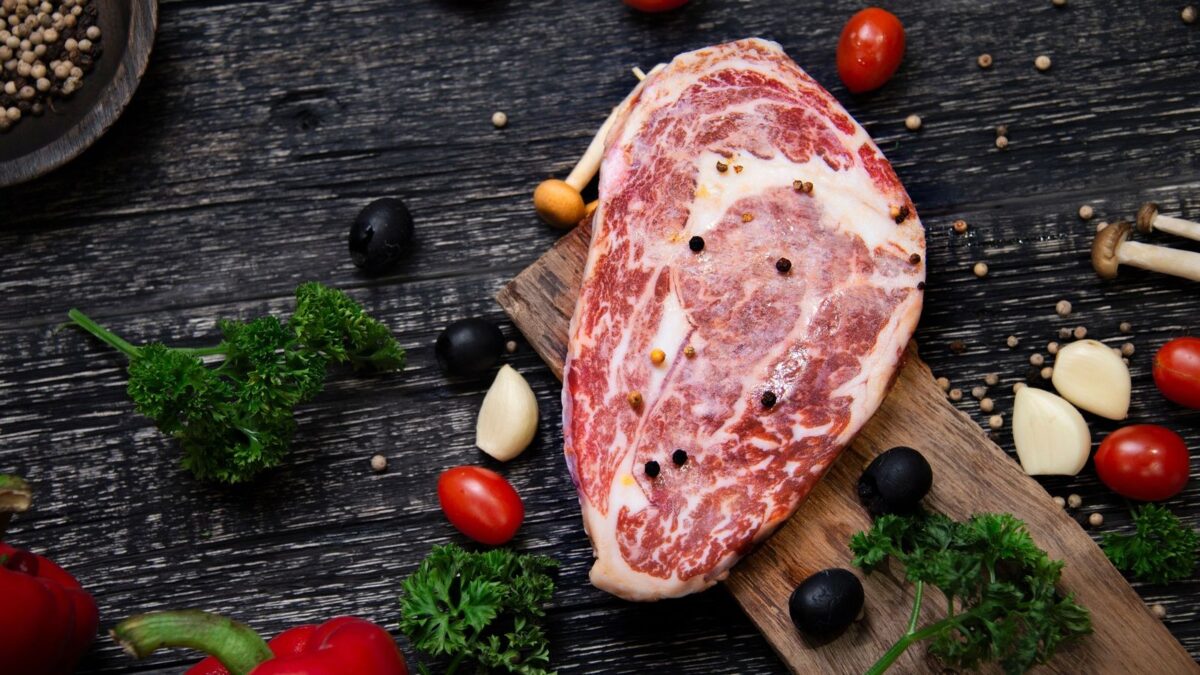
Wagyu sounds impressive, and restaurants often give it a price tag to match. But here’s the catch: Wagyu steaks can differ significantly in origin, serving size, and preparation.
That difference makes the premium label worth investigating before ordering. Japanese A5 Wagyu represents another offering entirely, so treating every Wagyu steak as the same product makes little sense. The country of origin matters, and so does the amount of beef that reaches your plate.
A smaller serving of a more expensive variety might cost substantially more than a familiar filet. Before choosing the fanciest option, check exactly what the restaurant offers. The name alone cannot tell you which steak gives you better value.
Prime signals a specific beef grade
Prime might sound like ordinary restaurant marketing, but USDA Prime has an official meaning. USDA Prime is the highest quality grade established by the U.S. Department of Agriculture Agricultural Marketing Service. That gives diners something more meaningful than a catchy adjective.
However, a legitimate grade doesn’t automatically make every Prime steak the smartest purchase. Different cuts and portion sizes can influence the price, too. You also need a comparable Choice steak to judge how much extra the restaurant charges for the higher grade.
Think of Prime as useful quality information rather than an automatic reason to spend more. You can appreciate the distinction and still keep your budget in mind.
Dry-aged comes with extra preparation
Dry-aged isn’t just a fancy way to describe an expensive steak. It refers to a process that requires additional time, controlled conditions, and careful trimming.
That extra work helps explain the higher prices restaurants may charge. Fleming’s menu features a dry-aged ribeye, giving customers a real example of this specialty preparation.
But don’t judge value by the preparation method alone. Compare the cut, serving weight, and bone content before deciding which steak deserves your money. A bigger steak at a similar price might look appealing, but it may offer a different dining experience. Dry aging has a genuine purpose, although the description itself doesn’t guarantee a better deal.
Truffle can quietly raise your bill
Truffle has a way of making ordinary menu items sound downright glamorous. Restaurants feature it in everything from finishing sauces to butter and seafood dishes. However, that sophisticated description can also introduce an extra charge.
The Fleming’s Prime Steakhouse & Wine Bar Dinner Menu explicitly features a Trio of Steak Finishes for $9. The restaurant also features truffle in other preparations, showing how broadly chefs use the term.
Here’s the important part: truffle oil, truffle butter, and actual truffle aren’t interchangeable descriptions.
The ingredients and amounts can vary from dish to dish. A luxurious-sounding addition might enhance your order, but it might also push the final cost beyond your original plan. Check the enhancement section carefully before you ask for extras.
Lobster makes a familiar steak pricier
Lobster can transform a straightforward steak dinner into a special-occasion splurge. Restaurants often pair it with filet mignon to create a surf-and-turf experience. That combination sounds tempting, especially if you enjoy ordering something different for a celebration. But the seafood addition can change the final price considerably.
That example shows how adding another premium ingredient can increase the cost of a familiar main course. Before ordering, compare the combination with the restaurant’s individual steak offerings.
Pay attention to the cut and portion details, too. You might decide the pairing deserves the extra money, and that’s perfectly reasonable. Just make sure you’re paying for something you actually want rather than getting carried away by the menu description.
Caviar can add a surprisingly large charge
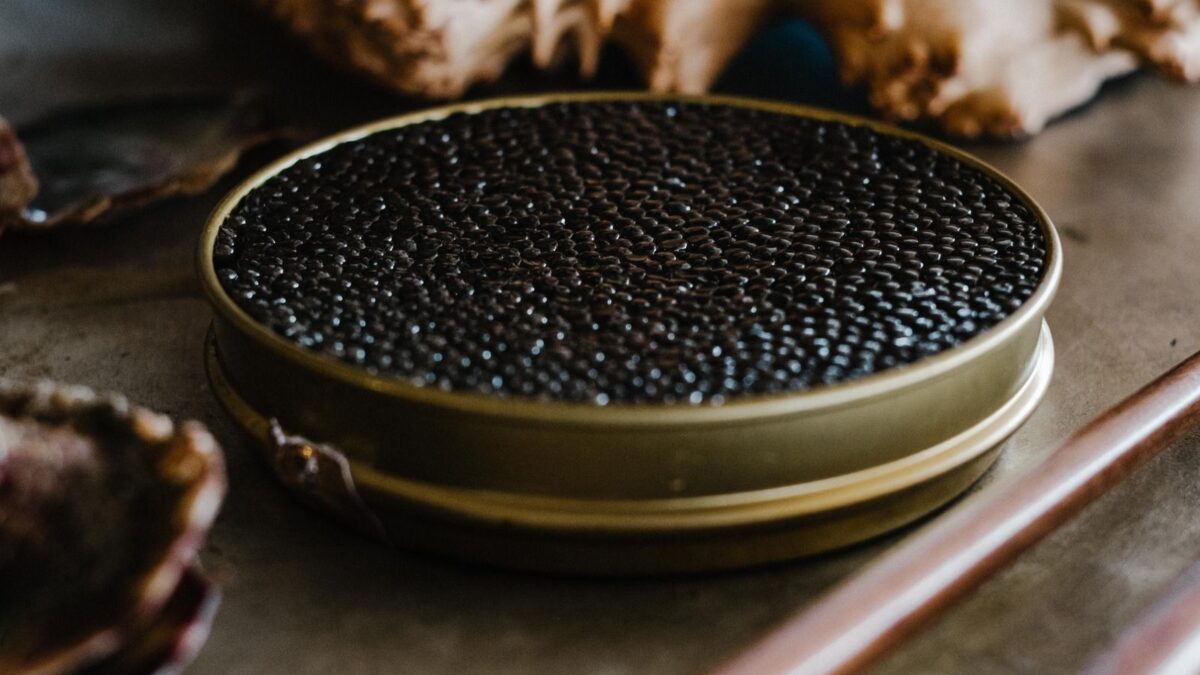
Caviar brings an unmistakable sense of luxury to a restaurant menu. Sometimes it takes center stage, while other times restaurants offer it as an enhancement to an existing dish. That distinction matters more than you might expect. The Fleming’s Prime Steakhouse and Wine Bar Dinner Menu features an optional Osetra Amber Caviar enhancement for $79 to upgrade their Chilled Shellfish Tower.
The extra charge doesn’t replace the cost of the seafood underneath it. A separate caviar service also represents a different purchase, with its own presentation and accompaniments. The word might catch your attention, but the ordering details deserve just as much consideration.
Look for phrases such as “enhance your order” or “add” before assuming the listed price covers everything. Caviar can make dinner feel more elaborate, but understanding the charges helps prevent an unpleasant surprise when the check arrives.
Tomahawk can mean a bigger total bill
Tomahawk certainly knows how to make an entrance. The dramatic bone-in steak commands attention before anyone even takes a bite. But its impressive appearance also comes with a larger overall order. That makes it a serious purchase compared with many smaller steakhouse cuts. Still, the higher price doesn’t automatically mean poor value.
Tomahawk steaks include substantial portions, so size plays an important role in the comparison. You should also consider the bone when evaluating how much meat you’re buying.
Instead of focusing on the glamorous name, check the total serving weight and price. The dramatic presentation might justify the expense for your occasion, but make that decision with the details in front of you.