Skip the Pie Spice, Pumpkin and Sage Risotto Is Fall’s Creamiest Dinner Move
Pumpkin doesn’t need cinnamon, sugar, or a pastry crust to earn its place at the fall table. Stirred into risotto with fresh sage, butter, and Parmesan, it becomes the foundation of a decidedly savory dinner. The pumpkin adds color and body, while the cheese and herbs keep the dish firmly out of dessert territory. It is a different way to enjoy the season’s most recognizable ingredient, and one that leaves the whipped cream in the refrigerator.
The appeal is not just the autumnal combination. Risotto turns rice and stock into a creamy dish while keeping a little resistance in each grain. Jessica Mode, the recipe developer behind Homebody Eats, offers a pumpkin-and-sage version inspired by her culinary training in Italy. “It’s not only a fancy dish that can impress guests at a dinner party,” she writes. “But, it’s also a relatively simple dish to make in under 30 minutes.”
That does not make risotto a walk-away dinner. It asks for warm stock, gradual additions of liquid, and attention to the rice as it cooks . But the process makes sense once you understand why each step matters. Choose a tested recipe, prep the ingredients before you start, and judge the finished rice by its texture rather than the clock alone. The reward is a fall meal that feels special without requiring a roast, a casserole or an afternoon-long production.
Pumpkin Gets a Savory Makeover, With Sage Along for the Ride
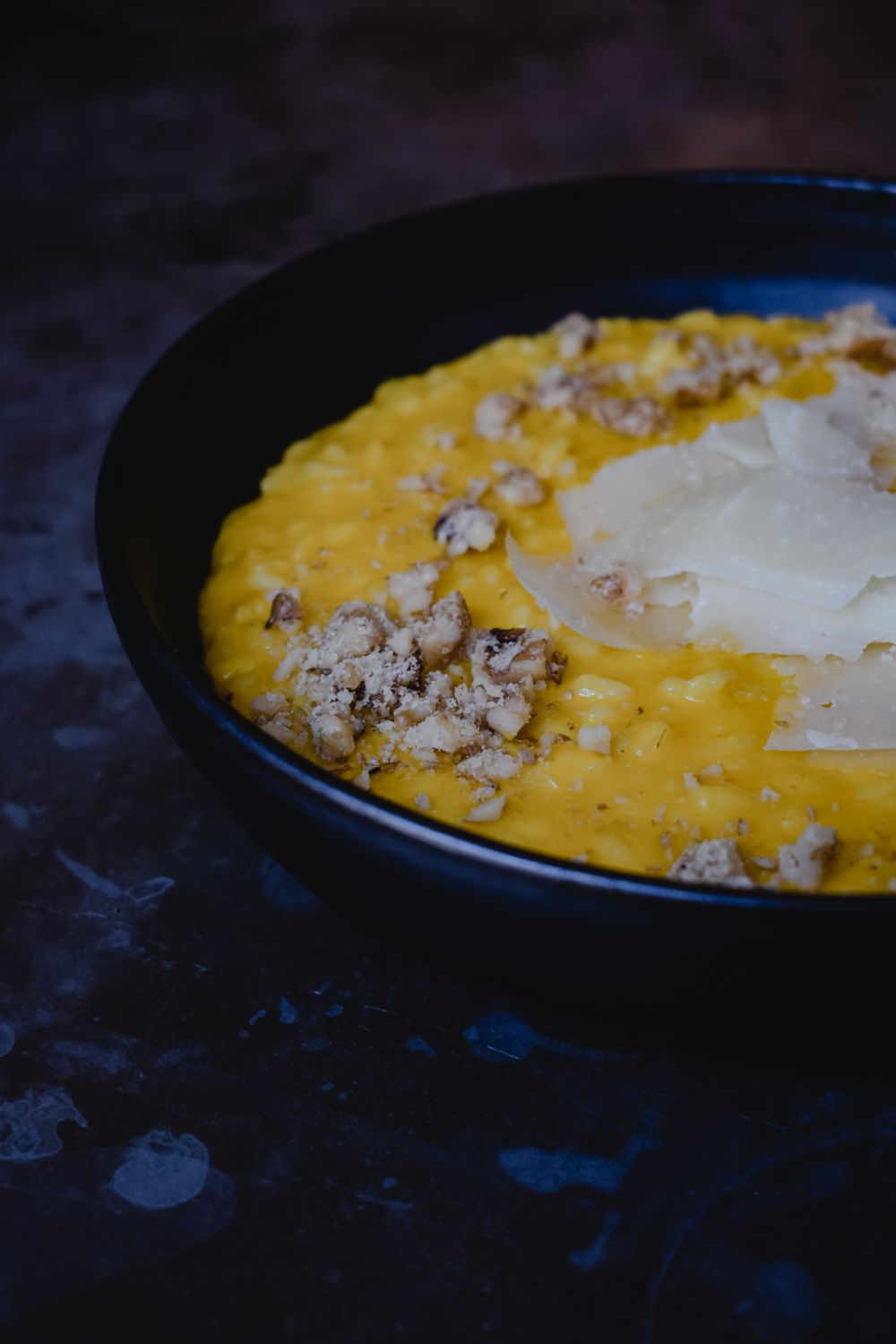
Mode’s recipe builds its flavor around canned pure pumpkin, fresh sage, vegetable stock, dry white wine, butter and Parmesan. The ingredient list has no heavy cream. Instead, the rice gradually absorbs stock, and butter and cheese finish the dish. Pumpkin blends into that mixture rather than appearing as a separate topping, creating a cohesive risotto with a distinctly seasonal color. It is comfort food assembled through technique, not simply a generous pour from a cream carton.
The most important shopping distinction is pure pumpkin versus pumpkin pie filling. Mode specifically calls for canned pure pumpkin and warns readers to check the label. Her formula uses one 15-ounce can, 1½ cups Arborio rice, 32 ounces vegetable stock, and three to five large fresh sage leaves. White wine and finely shredded Parmesan round out the mixture, giving the pumpkin company beyond the familiar baking-spice lineup.
Fresh pumpkin offers another route, but it creates a different result. Kerrygold’s published pumpkin-and-sage risotto uses peeled, seeded pumpkin cut into small dice, then gently cooked with butter and shredded sage until tender but still holding its shape. The pieces are folded into the rice near the end. Where purée becomes part of the surrounding mixture, this approach keeps recognizable bites of pumpkin throughout the finished dish. Both are documented methods; neither requires pretending the textures are identical.
The cheeses differ, too. Mode finishes her version with Parmesan, while Kerrygold uses mature cheddar and adds chopped chives. Those are separate recipe choices, not ingredients that need to be combined into one oversized shopping list. Picking a complete formula gives the cook a clear balance of rice, liquid, pumpkin and seasoning. It also simplifies the decision: choose a smooth, purée-based version or one with tender pieces of pumpkin.
Creamy Risotto Starts With the Rice, Not a Shortcut
Arborio is the rice in Mode’s recipe, while Kerrygold lists either Arborio or Carnaroli. Mode also discusses Vialone Nano, which she learned to use during culinary school in Italy. These are risotto-rice options, not an invitation to substitute any rice already sitting in the pantry. Her instructions also say not to rinse the rice, because rinsing washes away starch that contributes to the finished dish’s consistency.
Before the first ladle goes into the pan, heat the stock separately. In Mode’s method, the sage and rice cook in melted butter for four to six minutes, with care taken not to brown the grains. Add the white wine and cook until absorbed, then stir in the pumpkin. This sequence gives the cook a clear progression: prepare the stock, cook the rice with the butter and sage, add wine, incorporate the pumpkin,, and begin adding the stock gradually.
Add the stock a little at a time rather than all at once. Mode starts with three-quarters of a cup, then adds approximately half a cup as the rice absorbs the liquid. Kerrygold’s method similarly calls for frequent stirring and successive ladlefuls, adding each one only after the previous is almost absorbed. The exact quantities vary by recipe, but the shared principle is straightforward: keep working with the rice as it takes up the stock.
Taste matters more than chasing a precise minute. Kerrygold describes the target as “tender with a slight bite,” noting that its approximate 18-minute rice-cooking time depends on the variety used. Mode estimates around 16 minutes from the first stock addition for her formulation and says the finished mixture should still look slightly soupy. Neither description calls for a stiff mound or completely soft grains. Texture, not simply thickness, is the useful measure of success.
Finish Gently, Serve Promptly and Let Dinner Be the Occasion
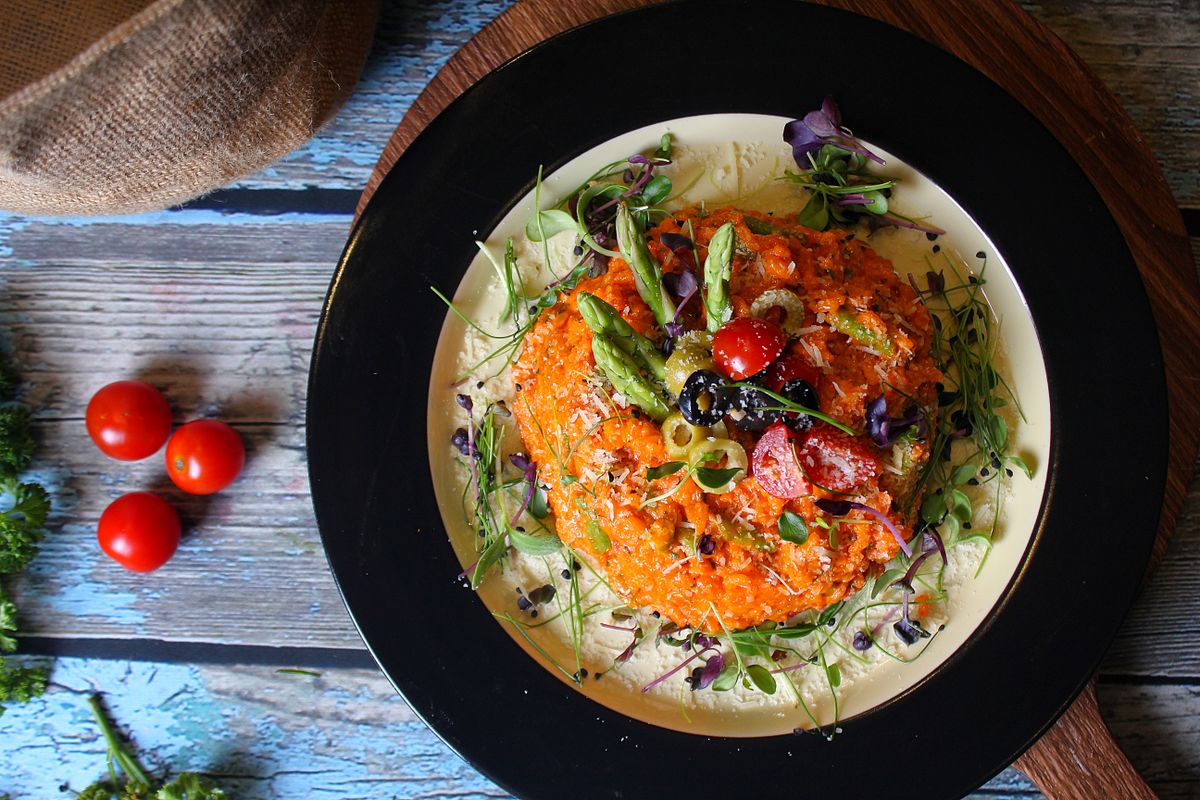
Mode’s finishing step uses butter chilled in the freezer while the rice cooks. After taking the risotto off the heat and removing the sage leaves, she stirs in that butter,then seasons with Parmesan, salt and pepper. Kerrygold follows a different finish, folding in its cooked pumpkin, remaining butter, cheddar and chives before a three-minute rest. Follow the finish attached to the recipe you choose rather than treating every technique as interchangeable.
Serving promptly is especially important. “You don’t want risotto to sit for too long, otherwise it will start to firm up,” Mode explains. She recommends adding a little hot stock if the mixture tightens while serving. Her plating method is to ladle it onto a plate and tap underneath so it spreads into a thin layer; Kerrygold suggests warmed bowls, extra cheese, and optional fried sage leaves. Either way, have the table ready before the rice is.
That final detail captures the dish’s appeal: pumpkin-and-sage risotto does not need elaborate decoration to feel like an occasion. Its character comes from the pumpkin, the herbs, the cheese, and rice cooked to the right consistency. Serve it as the focus of dinner rather than leaving it waiting while another dish takes priority. Fall already has plenty of sweet pumpkin traditions; this one gives the ingredient a satisfying place on the savory side of the table.