The Simple Coffee Filter Trick That Helps Keep Pantry Shelves Clean and Sticky-Free
Sticky pantry shelves can turn an otherwise organized kitchen into a frustrating mess. Bottles of honey, syrup, sauces, and cooking oils often leave small drips that collect around their bases, forming stubborn rings that get harder to remove over time. Fortunately, a simple item already sitting in many kitchen cabinets can help prevent the problem before it starts.
Coffee filters aren’t just useful for making your morning cup of coffee. Their absorbent paper makes them handy for catching small drips, organizing loose kitchen accessories, and handling everyday messes. With a few simple adjustments, these inexpensive household staples can make pantry maintenance much easier.
Place Coffee Filters Under Sticky Bottles
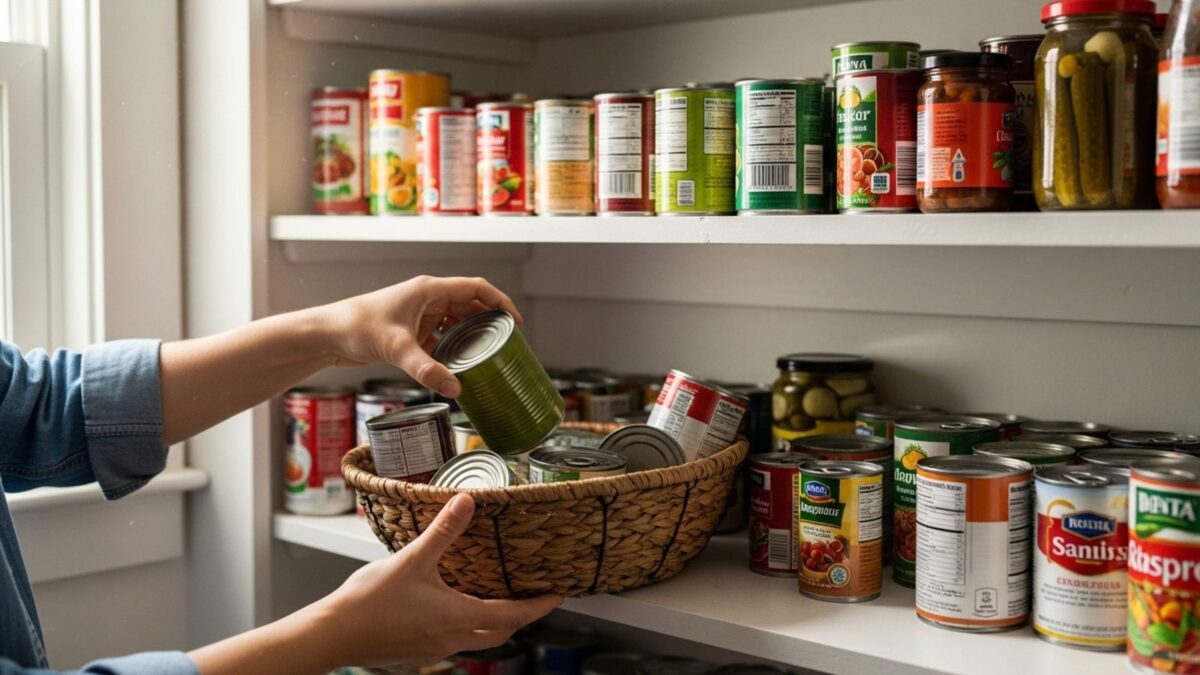
One of the simplest uses for coffee filters is placing them under bottles that frequently leave sticky residue. Honey, pancake syrup, and sauces can drip down the sides of their containers after pouring and eventually collect around the bottom. Instead of allowing those drips to reach the pantry shelf, a coffee filter provides a disposable barrier.
Flat-bottomed basket filters work particularly well because their wide bases provide a convenient surface for bottles. Depending on the container’s size, a single filter may accommodate one or two smaller bottles. You can also gently fold the filter around the bottom of a container to help keep it positioned.
This trick works best for catching occasional drips, not large spills. If a bottle leaks heavily, the filter can become saturated, allowing liquid to reach the surface underneath. Regularly check the filters and replace them when needed to prevent the mess you’re trying to avoid.
Turn Extra Filters Into Pantry Organizers
Coffee filters can also temporarily store small items that tend to disappear on crowded pantry shelves. Rubber bands, chip clips, and spare labels are useful kitchen accessories, but they can easily get scattered among food packages. A clean basket-style coffee filter can hold these little items together.
For better organization, dedicate separate filters to different accessory categories. One might hold rubber bands, while another contains clips used to seal opened snack bags. This approach makes small supplies easier to find without needing extra storage containers.
However, filters are lightweight and aren’t designed to support heavy objects. They work best for small, dry items that won’t tear the paper or tip the filter over. For long-term storage, sturdier containers remain the better option.
Related: ways-to-declutter-your-pantry-and-maximize-space/
Use Them as Disposable Snack Bowls
Coffee filters can come in handy when you need a quick way to serve a small snack. Their cup-like shape makes basket filters especially convenient for holding dry foods like crackers, popcorn, or nuts. Instead of reaching for another dish, you can use a clean filter to contain a modest portion.
This idea can also help keep crumbs together during a quick snack break. Once you’re done, you can discard the used paper filter, eliminating the need to wash another bowl. Just remember that coffee filters aren’t designed for wet foods or substantial amounts of liquid.
If you’re considering composting used filters, check the manufacturer’s guidance and your local composting rules first. Some programs accept paper coffee filters, while others specifically exclude them. For example, Wisconsin’s Department of Natural Resources includes coffee filters among home-composting materials, but the City of Boulder does not allow them in its municipal compost collection.
Make Simple Scented Sachets
Coffee filters can also serve as inexpensive holders for dried aromatic materials. Dried flowers and other fragrant ingredients can be placed inside a clean filter, which can then be folded into a small sachet. It’s an easy way to contain loose materials while adding a pleasant scent to a storage space.
You might use these homemade sachets in a pantry corner or another dry storage area. Keeping the ingredients enclosed prevents small pieces of dried flowers from scattering across shelves. You can secure a folded filter with string to keep the contents contained.
It’s important to distinguish a pleasant fragrance from actual cleaning. Scented sachets won’t remove the source of an unpleasant odor or keep pests out of the pantry. If something smells musty, check for spills, moisture, or spoiled products instead of just covering the smell.
Choose Between Disposable and Reusable Filters
Disposable paper filters offer convenience because you can replace them once they’re stained or damp. Both bleached and unbleached paper filters can serve as barriers beneath bottles. The most important consideration is whether the filter fits the container and remains dry enough to protect the shelf.
Reusable cloth coffee filters provide another option for households trying to reduce disposable waste. They can absorb small drips, but they require washing and thorough drying between uses. Leaving a damp or sticky cloth filter underneath a bottle for an extended period defeats the purpose of keeping the shelf clean.
Whatever type you choose, don’t treat the filter as a permanent shelf liner. Inspect it whenever you reorganize the pantry or notice residue collecting around a container. Replacing or cleaning it promptly will help keep buildup from reaching the shelving material.
Keep the Shelves Clean Beneath the Filters
Coffee filters help, but regular cleaning is still essential to keep pantry shelves clean. Even with filters in place, spills can happen around containers or in areas that aren’t covered. Occasionally remove bottles and wipe the shelves to catch overlooked messes.
Moisture deserves particular attention because damp materials can create conditions for mold growth. The U.S. Environmental Protection Agency recommends addressing indoor spills quickly and thoroughly drying affected surfaces. Coffee filters should never be used as a substitute for cleaning up a leak or dealing with existing mold.
A few spare coffee filters may seem insignificant, but they can make everyday pantry maintenance easier. By catching small drips, containing loose accessories, and offering simple household uses, they help make the most of something many kitchens already have. Sometimes, keeping an organized pantry starts with the simplest supplies.
Other articles you may like:
– 8-nostalgic-breakfast-drinks-that-defined-our-childhoods/
– 8-old-school-pantry-ingredients-that-are-quietly-making-a-comeback/