How Do the Amish Heat Their Homes During Cold Months? (It’s Not Electric Baseboard Heaters)
When winter temperatures drop and most Americans reach for the thermostat, many Amish households take a different approach. Instead of relying on conventional electric baseboard heaters, they use wood stoves, coal-burning systems, and propane heaters to keep their homes warm.
But Amish heating is more than tossing a few logs into a fireplace. Some families have surprisingly clever ways to move heat through multiple floors without relying on the public electricity grid.
And while Amish traditions emphasize simplicity, their heating systems aren’t necessarily as old-fashioned as you might imagine.
Wood-Burning Stoves Are a Winter Favorite
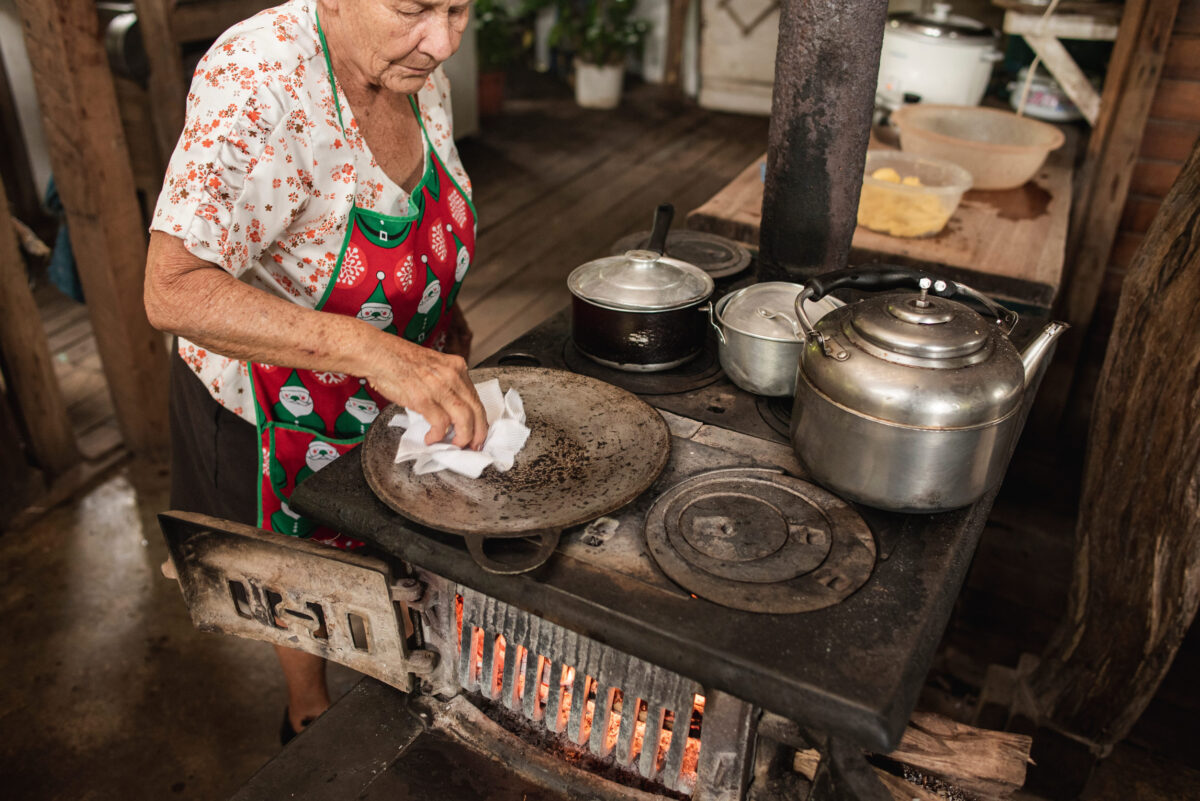
Picture a chilly winter morning with a wood stove crackling away while everyone gathers indoors. For many Amish households, that scene is a familiar part of cold-weather living.
Wood-burning stoves are a well-documented heating choice in Amish communities. Unlike conventional electric heaters, a basic wood stove can produce heat without being connected to the electrical grid.
In a 2018 interview, Marie Graber, who grew up Amish in Jamesport, Missouri, described families spending time cutting firewood in preparation for winter.
Of course, firewood doesn’t magically appear beside the stove. It takes planning, cutting, handling, and regular attention.
Still, for households that prefer heating methods independent of public electricity, a wood stove can be a practical choice.
Coal Stoves Can Heat More Than One Floor
Here’s where things get interesting.
You might assume a coal stove only warms the room it sits in. However, some Amish households use basement heating arrangements that send warmth throughout the house.
Amish columnist Lovina Eicher described one such system in her February 2023 account.
Her family’s coal stove sat in the basement and helped heat all three floors of their Michigan home.
How?
A metal jacket surrounded the stove, and a large floor opening let warmth reach the main level. An open staircase helped heat travel upward, and smaller vents provided a return path for cooler air.
It’s a fascinating example of how a heating system’s layout can let one appliance serve several living spaces.
That doesn’t mean every Amish home works this way, but it certainly challenges the idea that stove heating is limited to one cozy room.
Some Families Use Hopper-Fed Coal Stoves
Keeping a coal stove running sounds like a full-time job, doesn’t it?
Well, certain models make the process more manageable.
Eicher also described a hopper-fed coal stove that allowed additional coal to move down into the burning area as fuel was consumed.
Instead of manually adding every small amount of coal, the household could load the hopper and let the system feed the fire.
There’s an important catch, though. Not every coal stove can burn wood.
In an October 2020 column, Eicher specifically explained that her family’s hopper-fed stove couldn’t use wood as an alternative fuel.
So, despite their traditional appearance, these appliances aren’t necessarily interchangeable.
Propane Heating Is Part of Amish Life, Too
Not every Amish family wants to spend winter hauling coal or tending a fire.
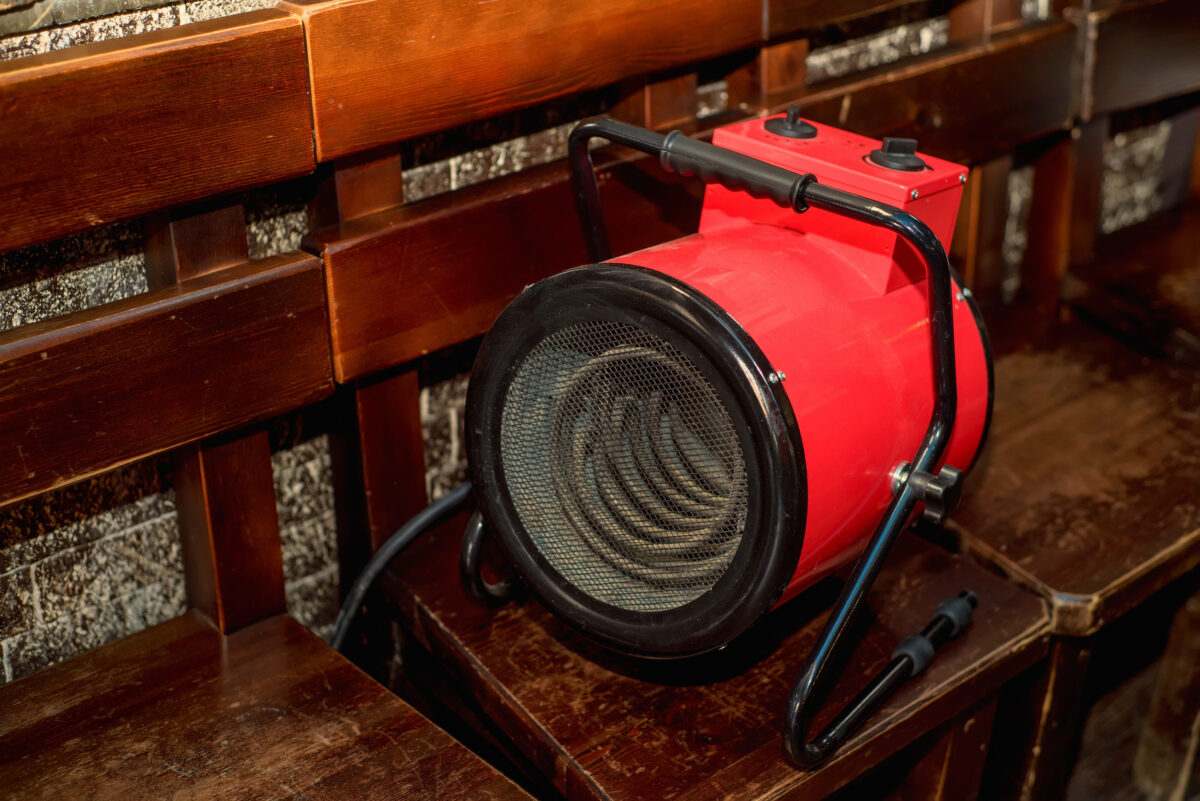
Propane heaters offer another option, and they’re documented in several Amish households.
In November 2025, Eicher described her family’s decision to replace a coal stove after more than 30 years of coal heating.
The reason was wonderfully relatable: less work.
Their old stove needed attention twice daily, along with the unpleasant job of dealing with ashes.
By November 2026, Eicher said they had a propane heater on the main floor and a larger propane stove in the basement.
That’s a useful reminder that Amish households can adopt different equipment as their needs change.
Kerosene Heaters Are Another Documented Option
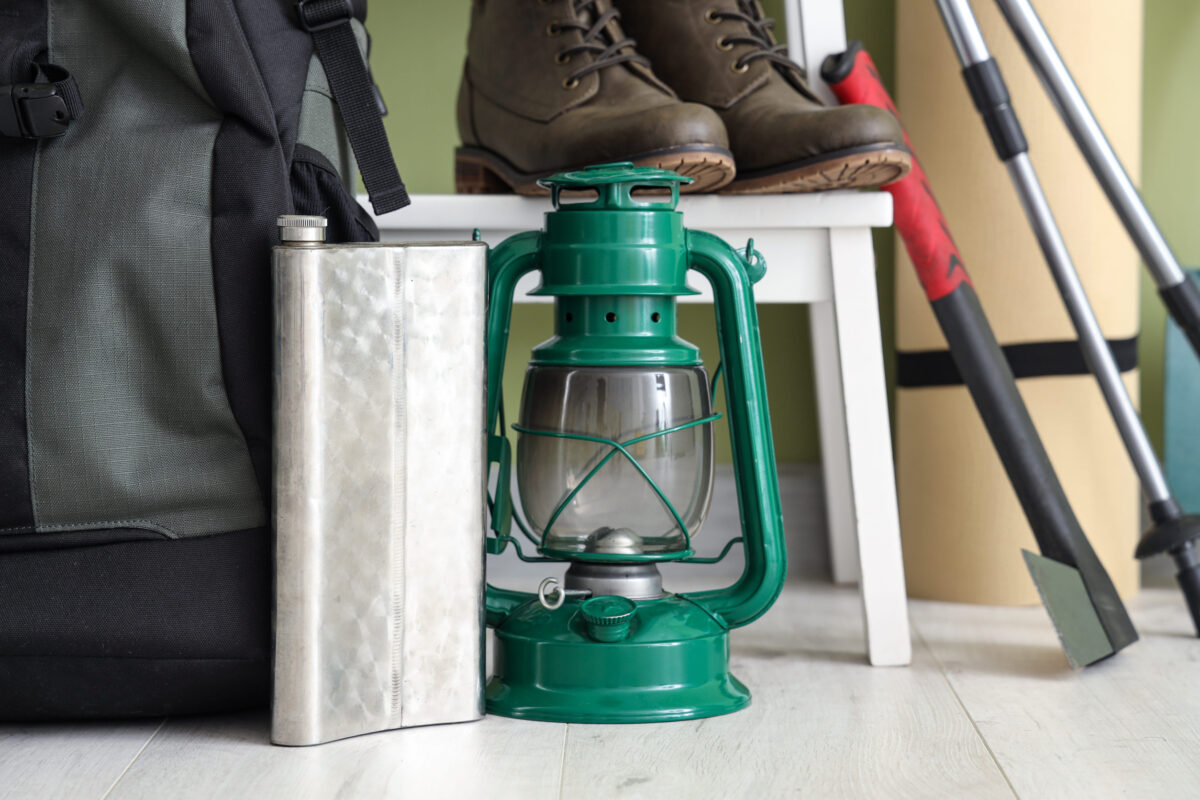
Wood, coal, and propane aren’t the only fuels found in Amish communities.
A peer-reviewed study published in 2012 examined an Old Order Amish community in Canaan, Indiana, and identified kerosene heaters alongside wood and coal stoves.
Kerosene heaters provide warmth by burning liquid fuel, although their operation and heating capacity depend on the specific appliance.
The study doesn’t establish how widespread kerosene heating is among Amish families nationwide.
Nevertheless, it illustrates an important point: Amish heating methods vary between households and communities.
Even Lighting Can Add a Little Warmth
Here’s an unexpected detail.
In her account of winter life, Eicher noted that propane lights helped provide additional warmth during particularly cold or windy weather.
Now, that doesn’t mean Amish families can heat an entire house simply by switching on their lamps.
Rather, it shows how different household activities can contribute small amounts of extra heat.
Cooking equipment can also warm nearby spaces, even when its main purpose is preparing meals.
In traditional homes, these everyday sources of warmth may become part of the winter experience.
Winter Heating Takes Some Serious Preparation
For households burning wood or coal, getting ready for winter involves more than changing a thermostat setting.
There may be firewood to cut, coal to purchase, and heating equipment to clean before cold weather arrives.
Eicher has described cleaning the basement coal stove and arranging fuel supplies before winter.
She also explained that the heated basement served another purpose: drying laundry indoors when outdoor conditions weren’t suitable.
That’s a practical benefit many readers can appreciate.
But there’s also a trade-off. Solid-fuel heating means regularly tending equipment and managing fuel, which helps explain why her family eventually switched to propane.
Amish Homes Aren’t Necessarily Electricity-Free
One of the biggest misconceptions about Amish life is that every household avoids electricity completely.
According to the Young Center for Anabaptist and Pietist Studies, many Amish communities avoid connections to public utility electricity while allowing selected uses of batteries, solar panels, and independently generated power.
The rules vary by church district.
That distinction matters when discussing heating.
Electric baseboard heaters are not characteristic of traditional off-grid Amish homes, but that doesn’t mean every Amish household follows identical heating rules.
And not all baseboard systems are electric resistance heaters. Some distribute hot water heated by a separate boiler.
In fact, a 2016 trade report documented an Amish-owned Pennsylvania workshop using a propane boiler, radiant floor heating, and off-grid electricity for circulation pumps.
It was a workshop rather than a verified residential installation, but it demonstrates how traditional fuel sources and modern equipment can work together.
The Real Secret Is Having a Heating System That Fits the Home
So, how do Amish families stay warm when winter gets rough?
The answer isn’t one magical stove or a forgotten heating trick.
It’s a combination of fuel choices, equipment, household design, and preparation.
Some families rely on wood. Others burn coal or use propane. Certain homes distribute warmth through floor openings and stairways, while others use separate heaters in different areas.
And as Lovina Eicher’s experience shows, even a family accustomed to decades of coal heating may eventually choose something more convenient.
The most interesting lesson isn’t that Amish households live without modern comfort. It’s that staying warm doesn’t always require the same heating setup found in a conventional American home.
Sometimes, the solution is a carefully placed stove, a dependable fuel supply, and a little thoughtful planning before the first cold night arrives.