9 Foods That Cost Pennies in the 1960s and Are Now Shockingly Expensive
Ask anyone who grew up in the 1960s about prices, and you will hear some amazing stories. A candy bar for a nickel. A bottle of soda for a dime. A loaf of bread for about twenty cents. Kids could walk to the corner store with a few coins jingling in their pocket and come home with a bag full of treats.
Of course, wages were much lower back then, and inflation has changed the value of a dollar dramatically. According to the Bureau of Labor Statistics inflation calculator, a dollar in 1965 had the buying power of roughly ten dollars today. Even so, some foods have climbed in price far more than people ever expected.
For boomers, the sticker shock at the grocery store can be hard to get used to. Here are nine foods that cost pennies in the 1960s and now feel shockingly expensive, along with a look at why prices have changed so much.
1. Candy Bars
In the early 1960s, a standard Hershey’s milk chocolate bar cost just five cents. The nickel candy bar was so common that kids measured their allowance in candy. Hershey did not raise the price of its standard bar above a nickel until 1969, after years of shrinking the bar’s size instead.
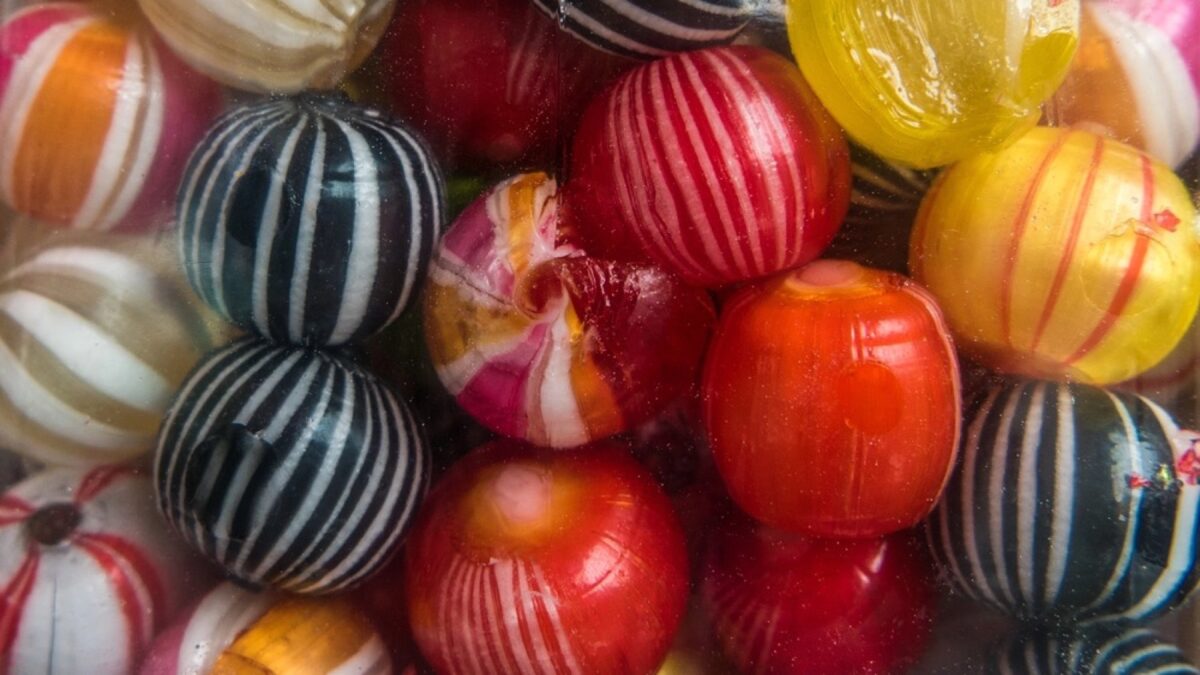
Today, a single candy bar often costs well over a dollar at a convenience store, and sometimes close to two or three. Rising costs for cocoa, sugar, and packaging have all pushed prices up. For boomers, it is one of the most striking examples of how much prices have changed.
2. Soda Pop
Coca-Cola famously sold for a nickel for decades, until the late 1950s. In the 1960s, a bottle of soda from a vending machine or corner store usually cost a dime or so. Many kids returned the glass bottles for a deposit refund.
Today, a single bottle of soda from a vending machine can easily cost two dollars or more. Even buying in bulk at the grocery store, soda costs far more than it used to. For boomers, the days of the dime soda are a fond memory.
3. A Loaf of Bread
In the 1960s, a loaf of white bread cost around twenty cents. Many families bought several loaves a week, and bread was considered a cheap staple. Day-old bread was even cheaper.
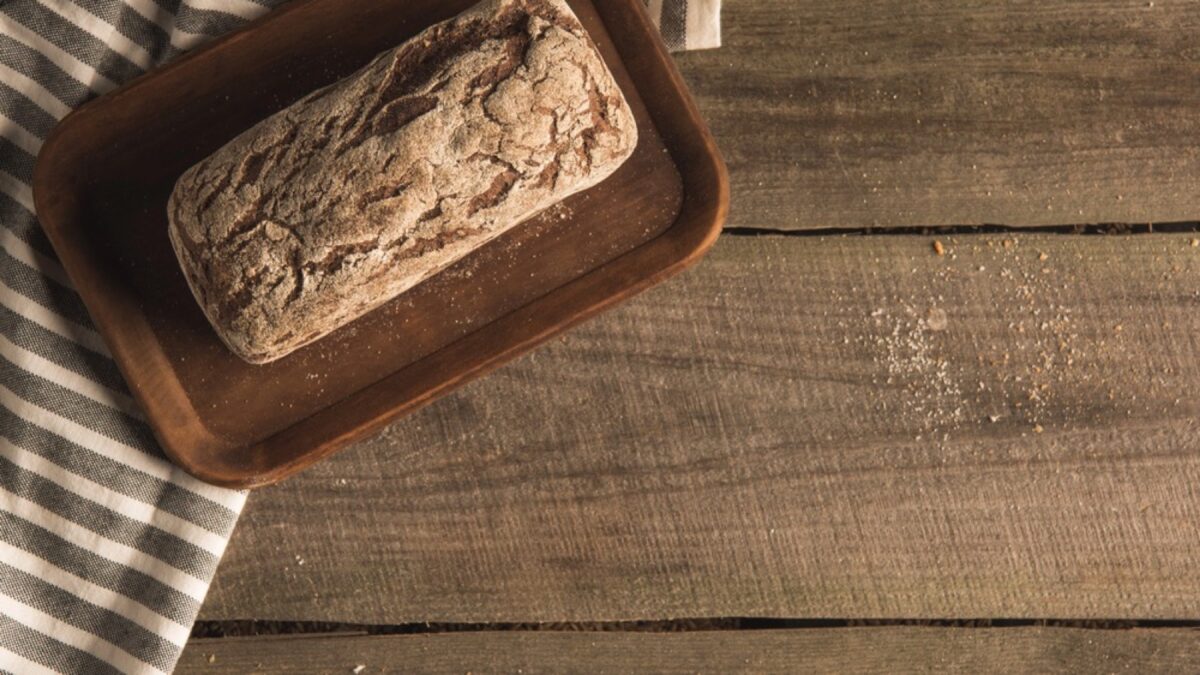
Today, a basic loaf of bread can cost several dollars, and specialty or artisan breads cost even more. Rising costs for wheat, labor, energy, and transportation have all contributed. Bread is still a staple, but it is no longer the bargain it once was.
4. Eggs
In the 1960s, a dozen eggs cost roughly fifty cents. Eggs were one of the cheapest sources of protein available, and families ate them often. Many families bought several dozen at a time.
In recent years, egg prices have swung wildly because of bird flu outbreaks that forced farmers to cull millions of laying hens. At times, a dozen eggs has cost several dollars. Many boomers were shocked to see eggs become one of the most talked-about items in the grocery store.
5. Ground Beef
Ground beef was an affordable staple in the 1960s, often selling for well under a dollar per pound. Mothers used it to make meatloaf, hamburgers, chili, and casseroles. It was the backbone of many family budgets.
Today, ground beef prices have reached record highs in some stores, largely because the U.S. cattle herd has shrunk after years of drought. A pound of ground beef can now cost five dollars or more. Many families have started stretching it with beans or other proteins.
6. Coffee
In the 1960s, a pound of coffee cost well under a dollar. Coffee was a daily staple in most homes, and the percolator was always on. Many families went through several pounds a month.
Coffee prices have risen sharply in recent years because of weather problems that hurt harvests in major growing countries like Brazil. Tariffs and shipping costs have added to the pressure. Today, a can of coffee can cost many times what it did in the 1960s, even after adjusting for inflation.
7. Penny Candy
Penny candy was a beloved part of childhood in the 1960s. Kids could buy a single piece of candy, such as a root beer barrel, a Tootsie Roll, or a strip of candy buttons, for just one cent. A few pennies could fill a small paper bag.
Today, true penny candy is nearly impossible to find. Most individual candies cost at least a dime or a quarter, and many come only in packages. For boomers, the experience of choosing candy one piece at a time is a cherished memory.
8. Milk
In the 1960s, milk was delivered to many homes by the milkman, and a half gallon often cost well under a dollar. Milk was a daily staple for growing children, and families went through it quickly.
Today, a gallon of milk often costs several dollars, depending on where you live. Changes in the dairy industry, transportation costs, and feed prices have all affected milk prices. Many families have switched to cheaper store brands to save money.
9. Chewing Gum
In the 1960s, a pack of chewing gum often cost just five cents. Brands like Wrigley’s Spearmint and Juicy Fruit were popular with kids and adults alike. Gum was an easy, inexpensive treat.
Today, a pack of gum can cost more than a dollar or two. While gum is still affordable compared to many other treats, the price increase is striking for those who remember the nickel pack. It is another small reminder of how much times have changed.
How to Fight Back Against High Prices
While no one can bring back nickel candy bars, there are ways to make groceries more affordable today. Store brands are often much cheaper than name brands and can be just as good. Buying in bulk, shopping sales, and using digital coupons can also help stretch a budget.
Cooking from scratch is another powerful tool. Many boomers grew up eating meals made from basic ingredients, and those meals are still among the most affordable options available. A pot of beans, a loaf of homemade bread, or a pan of baked chicken costs far less than prepared foods. Many boomers have noticed how much more expensive everyday life has become in 2026, and cutting back on overpriced expenses is one way to make room in the budget.
Why Prices Have Changed So Much
Inflation is the biggest reason prices have risen since the 1960s. As wages have increased, so have the costs of producing, packaging, and transporting food. But some foods have risen faster than inflation because of specific problems, such as droughts, diseases, and global shortages.
The candy bar may never cost a nickel again, but smart shopping can still make a real difference. Boomers who remember those prices often have the best tips for saving money today.