7 Grocery Products That Changed Their Recipe and Upset Loyal Customers
Most people do not read the ingredient list on their favorite snack every time they buy it. They simply expect it to taste the way it always has. So when a company quietly tweaks the recipe, loyal customers notice right away, and many of them are not happy about it.
Food companies change recipes for many reasons. Sometimes they want to cut costs, replace an ingredient that has fallen out of favor, or respond to health concerns about sugar, dyes, or artificial sweeteners. Other times they are trying to attract new customers. But a change that looks smart in a boardroom can feel like a betrayal to someone who has been buying the same product for 30 years.
Some of these changes were reversed after a wave of complaints, while others stuck. Here are seven grocery products that changed their recipes and upset loyal customers, and what happened next.
1. Diet Pepsi Without Aspartame
In 2015, PepsiCo removed aspartame from Diet Pepsi in the United States, replacing it with a blend of sucralose and acesulfame potassium. The company said customers had told them they wanted a diet soda without aspartame, which had faced years of health questions.
Many longtime Diet Pepsi drinkers said the new version tasted different, and sales fell. Some fans complained loudly on social media, and others switched to Diet Coke.
In 2016, Pepsi brought back the aspartame version, first sold as “Diet Pepsi Classic Sweetener Blend.” The company later made aspartame the standard sweetener again. The episode became a lesson in how attached people are to familiar flavors.
2. Skittles Lime
In 2013, Mars replaced the lime flavor in original Skittles with green apple. The change was not widely announced, and many fans discovered it when they bit into a green Skittle and found it tasted completely different.
Lime loyalists spent years complaining online, writing posts and petitions asking for its return. Some fans said the original pack had never been the same.
In 2021, Skittles brought lime back to the original pack, saying it was responding to fan demand. Green apple moved to other Skittles varieties. The return was celebrated by fans who had waited eight years.
3. Trix Colors
Trix cereal has gone through several changes over the years, but one of the most memorable came in 2015 and 2016. General Mills removed artificial colors and flavors from Trix, using ingredients like fruit and vegetable juices and spice extracts instead. The new cereal had fewer colors and a more muted look.
Many fans were disappointed. They said the cereal no longer looked or tasted like the Trix they grew up with. Social media was filled with comparisons between the old and new versions.
In 2017, General Mills brought back “Classic Trix” with its original bright colors, while keeping the new version available too. The company admitted that many customers wanted the cereal they remembered. The dye debate continues today as brands such as Kellogg work toward removing artificial dyes from their cereals.
4. Butterfinger
After Ferrero bought Nestlé’s American candy business in 2018, the company reformulated Butterfinger. It said the new recipe used higher-quality ingredients, including better peanuts and cocoa, and removed preservatives such as TBHQ. Ferrero promoted it as a “Better Butterfinger.”
Some customers liked the change, but many longtime fans were upset. They said the bar tasted less like the one they remembered, and some felt the famous crunchy texture had changed.
Ferrero kept the new recipe, and the brand has continued to change its marketing over the years. But many people still debate whether the old Butterfinger was better.
5. Kraft Macaroni and Cheese
In 2016, Kraft removed artificial preservatives and synthetic dyes from its famous boxed macaroni and cheese. The bright orange color now came from paprika, annatto, and turmeric. The company did not announce the change at first.
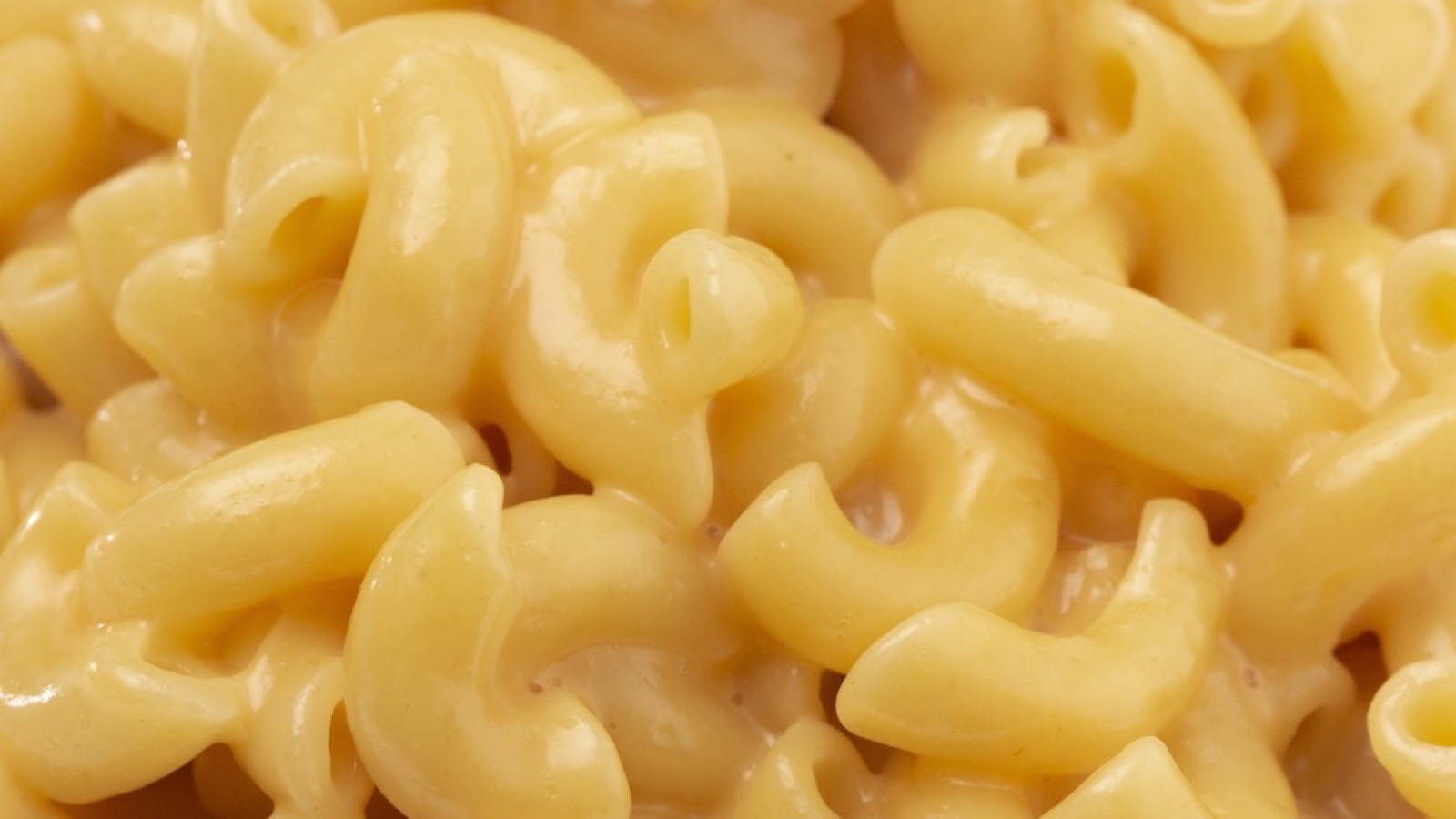
Kraft later revealed that it had sold millions of boxes of the new recipe before telling anyone, and most customers had not noticed. The company called it “the world’s largest blind taste test.” Still, when the change became public, some fans insisted it tasted different.
The recipe change was mostly a success, but it showed how sensitive customers can be. Even when they cannot taste the difference, the idea of change can make people uneasy.
6. Breyers Ice Cream
Breyers built its reputation on simple ice cream made with milk, cream, sugar, and natural flavors. But in the 2000s and 2010s, the company began changing some flavors, adding ingredients like gums and other stabilizers. Some products were relabeled as “frozen dairy dessert” because they no longer met the federal definition of ice cream.

Under federal rules, ice cream must contain a minimum amount of milkfat. The FDA’s standard for ice cream spells out the requirements, and products that fall short cannot be labeled as ice cream.
Longtime Breyers customers noticed the change and complained that the texture and taste were not the same. Many still check the label to see whether they are buying real ice cream or a frozen dairy dessert.
7. Coca-Cola Zero Sugar
Coca-Cola Zero was introduced in 2005 and became a favorite with people who wanted the taste of regular Coke without the calories. In 2017, the company renamed it Coca-Cola Zero Sugar and tweaked the recipe. In 2021, it changed the recipe again, saying the new version tasted even more like classic Coke.
Many loyal drinkers were unhappy with the 2021 change. Some said the new version was too sweet or had a strange aftertaste. Social media was full of complaints, and some fans stocked up on old cans.
Coca-Cola kept the new recipe, and the drink remains popular. But the backlash showed that even small changes to a beloved drink can spark strong reactions.
Why Companies Change Recipes
Food companies change recipes for many reasons. Rising ingredient costs can push them to find cheaper alternatives. Health concerns can lead them to cut sugar, remove dyes, or replace artificial sweeteners. Some changes are made to meet new regulations or appeal to younger shoppers.
But changing a recipe is risky. Loyal customers often feel a strong emotional connection to the foods they grew up with. A small change can feel like losing a piece of their past. Taste memories like these are part of the foods most boomers loved with a passion.
The Power of Customer Complaints
Many of these stories show that customers can make a difference. When enough people complain, companies sometimes reverse course or bring back a classic version. Social media has made it easier for customers to share their opinions and organize campaigns.
At the same time, some changes stick because the company believes they are better in the long run. Customers may grumble, but many eventually get used to the new version.
Which recipe change has annoyed you the most, and do you think the old version was really better? Many readers say they can still taste the difference years later.