10 Comfort Dishes Boomer Grandmothers Still Make Every Winter
When the first cold snap hits, something changes in a boomer grandmother’s kitchen. The big pots come down from the top shelf, the Dutch oven goes on the stove, and the house starts to smell like onions, simmering meat, and fresh bread. Grandkids who show up on a snowy Sunday know exactly what they are in for.
Many of these dishes were passed down from their own mothers, who raised families through the Depression, the war years, and the lean times that followed. They are cheap, filling, and built to warm you up from the inside. Most of them taste even better the next day, which is part of their charm.
While food trends come and go, these winter favorites never seem to leave. Here are ten comfort dishes boomer grandmothers still make every year when the temperature drops.
1. Chicken and Dumplings
There may be no dish more comforting than a bowl of chicken and dumplings. A whole chicken is simmered into a rich broth, the meat is pulled off the bones, and soft dumplings are dropped into the pot to cook. Some grandmothers make fluffy drop dumplings, while others, especially in the South, roll out flat, noodle-like dumplings.
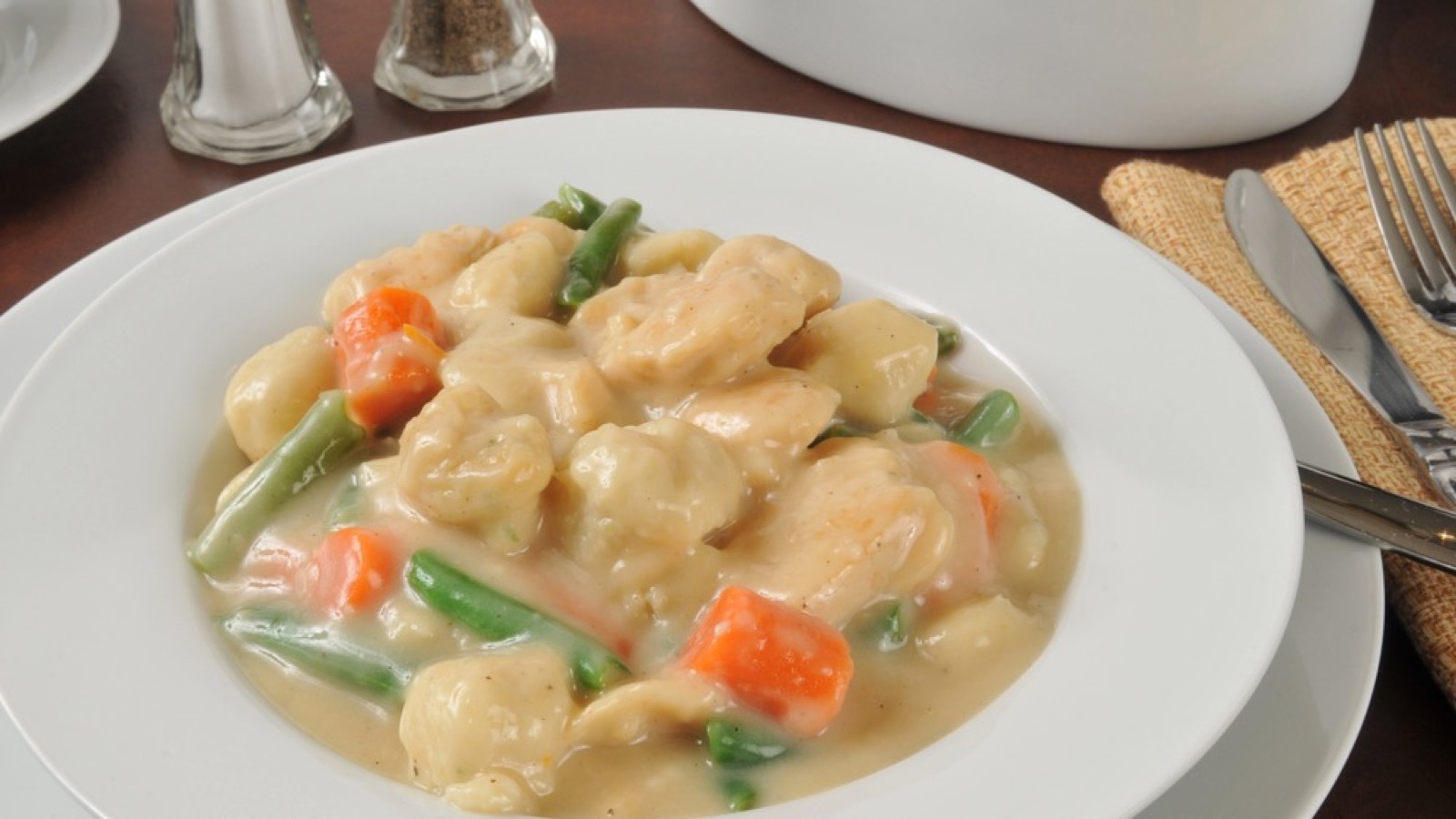
It’s a dish that turns one chicken into a meal for a crowd. Many families say it’s the first thing they want when someone is sick or when the weather turns cold.
2. Sunday Pot Roast
A pot roast was the centerpiece of countless Sunday dinners. A tough, inexpensive cut of beef, like chuck, was browned and then cooked low and slow with onions, carrots, and potatoes until it fell apart. The leftover juices became gravy.
Many grandmothers put the roast in the oven before church so it was ready when the family got home. When Rival introduced the Crock-Pot in 1971, many switched to the slow cooker. Either way, pot roast remains one of the most beloved winter meals in America.
3. Beef Stew
Beef stew is similar to pot roast but cut into hearty chunks and cooked in a thick, flavorful broth. Grandma’s version usually had beef, potatoes, carrots, celery, and onions, sometimes with peas added at the end. It was served with biscuits, cornbread, or a slice of buttered bread for dipping.
Stew was a smart way to stretch a small amount of meat, since the vegetables filled the pot. It also freezes well, so many grandmothers make a double batch and freeze half for later.
4. A Big Pot of Chili
Chili has strong roots in Texas, where it was named the official state dish in 1977. But by the boomer years, families all over the country had their own versions. Some grandmothers swear by beans, while others make it the Texas way without them.
Chili is a perfect dish for cold nights, football Sundays, and church suppers. Many families top it with cheese, onions, and crackers, or serve it over rice or spaghetti, as they do in Cincinnati. Every grandmother seems to have a secret ingredient she won’t share.
5. Meatloaf and Mashed Potatoes
Meatloaf became popular during the Depression because it stretched ground meat with bread crumbs, crackers, or oats. Boomer grandmothers kept making it long after the hard times were over, because it was easy, cheap, and loved by kids.
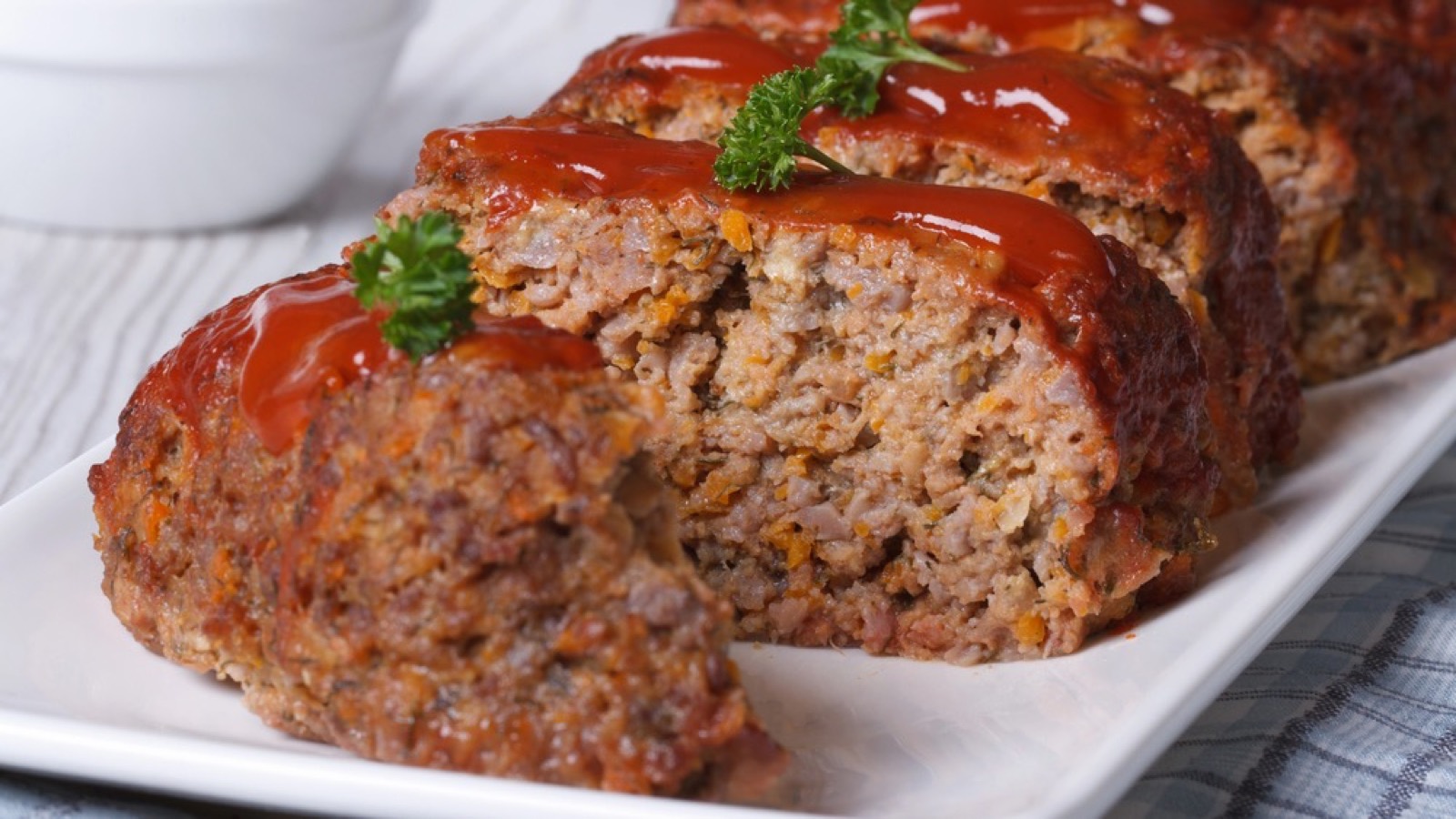
The classic version is topped with ketchup or a sweet tomato glaze and served with a mound of mashed potatoes. Leftover slices make the best sandwiches the next day. Many grandkids say no one else’s meatloaf ever tastes quite the same as Grandma’s.
6. Baked Macaroni and Cheese
Boxed macaroni and cheese has been around since Kraft introduced it in 1937, but grandmothers who make it from scratch take it to another level. Their baked version starts with a creamy cheese sauce, often made with sharp cheddar, which is mixed with elbow macaroni and topped with bread crumbs or more cheese.
It bakes until bubbly and golden on top. In many families, especially in the South, baked mac and cheese is treated as a main dish rather than a side, and no holiday or winter supper is complete without it.
7. Shepherd’s Pie
Shepherd’s pie came to America from Britain and Ireland, where it began as a way to use up leftover roasted meat. It’s made with a layer of ground or chopped meat and vegetables in gravy, topped with mashed potatoes, and baked until the top is golden. Traditionally, shepherd’s pie is made with lamb, while the beef version is called cottage pie.
In most American homes, ground beef is the norm, and many grandmothers don’t worry about the name. It’s a filling one-dish meal that uses up leftovers and warms up the whole family.
8. Chicken Pot Pie
Chicken pot pie is a warm, creamy filling of chicken, carrots, peas, and celery, baked under a flaky crust. Some grandmothers make a bottom crust too, while others top it with biscuits. The first bite through the crispy top into the hot, steaming filling is a winter treat.
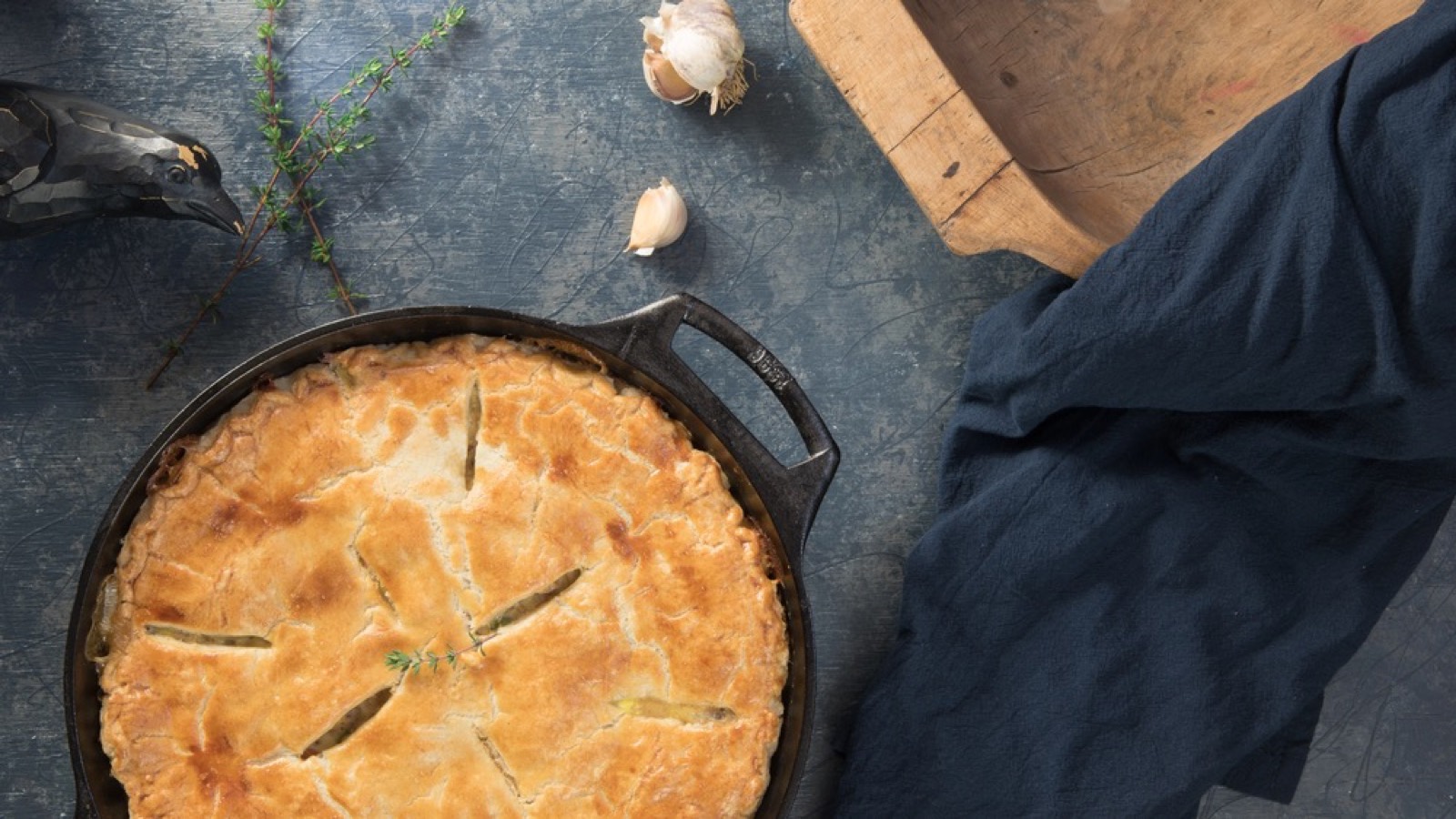
Frozen pot pies became popular in the 1950s, but many grandmothers still make their own from leftover chicken or turkey. It’s a common way to use up the holiday bird after Thanksgiving.
9. Stuffed Cabbage Rolls
In families with Polish, Hungarian, Ukrainian, or Jewish roots, stuffed cabbage rolls are a winter tradition. Cabbage leaves are softened, filled with a mixture of ground meat and rice, rolled up, and baked or simmered in a tomato sauce. Polish families call them gołąbki, often pronounced “go-WUMP-kee.”
The dish takes time to make, so many grandmothers make a big batch and freeze some. Grandkids who grew up with them often say the smell of cabbage rolls baking means home.
10. Scalloped Potatoes and Ham
When there’s leftover holiday ham, many grandmothers make scalloped potatoes and ham. Thinly sliced potatoes are layered with chunks of ham and a creamy sauce, sometimes with cheese, then baked until tender and bubbly.
It’s a simple, filling casserole that uses up leftovers and feeds a crowd. Some families make it the week after Christmas or Easter, when there’s still plenty of ham in the fridge.
Why These Dishes Endure
These dishes have a few things in common. They use cheap ingredients, they feed a lot of people, and they can be made ahead. They were designed for busy mothers who had to cook for big families on tight budgets.
They also bring people together. A big pot of chili or a tray of cabbage rolls is meant to be shared, and many of these meals were the centerpiece of family gatherings. Several of them also belong to the casseroles that defined American family dinners, and the slow cooker safety tips from the USDA help modern cooks make them the easy way.
Keeping the Tradition Alive
Many grandmothers are now teaching their grandchildren how to make these winter favorites. Some are writing down recipes that were never on paper before, so the dishes don’t disappear when they’re gone.
If you have a grandmother who makes any of these dishes, ask her to show you how. These recipes are a gift, a little like the boomer habits that are making a comeback as younger families rediscover home cooking.
Which winter dish does your grandmother make best, and do you have the recipe written down? Many readers say chicken and dumplings is the one they crave the most.