8 Grocery Store Foods That Once Came With a Free Prize Inside
For kids growing up in the 1950s, 1960s, and 1970s, a trip to the grocery store was a treasure hunt. Mom was looking for bargains, but the kids were looking for prizes. Cereal boxes, snack bags, and even jars of jelly promised a little surprise inside, and that was often enough to decide which brand went into the cart.
Grown-ups got prizes too. Flour sacks came printed with pretty fabric, tea boxes held tiny figurines, and empty jelly jars became the family’s drinking glasses. For families who didn’t have much to spare, those free extras were part of the value.
Over the years, safety rules, rising costs, and changing marketing slowly ended most of these prizes. Here are eight grocery store foods that once came with a free surprise, and what happened to them.

1. Cracker Jack
Cracker Jack is the most famous prize-in-the-box snack in American history. The caramel-coated popcorn and peanuts first appeared in the 1890s, and the company began putting a small prize in every box in 1912. Over the decades, those prizes included tiny toys, whistles, rings, stickers, and puzzles.
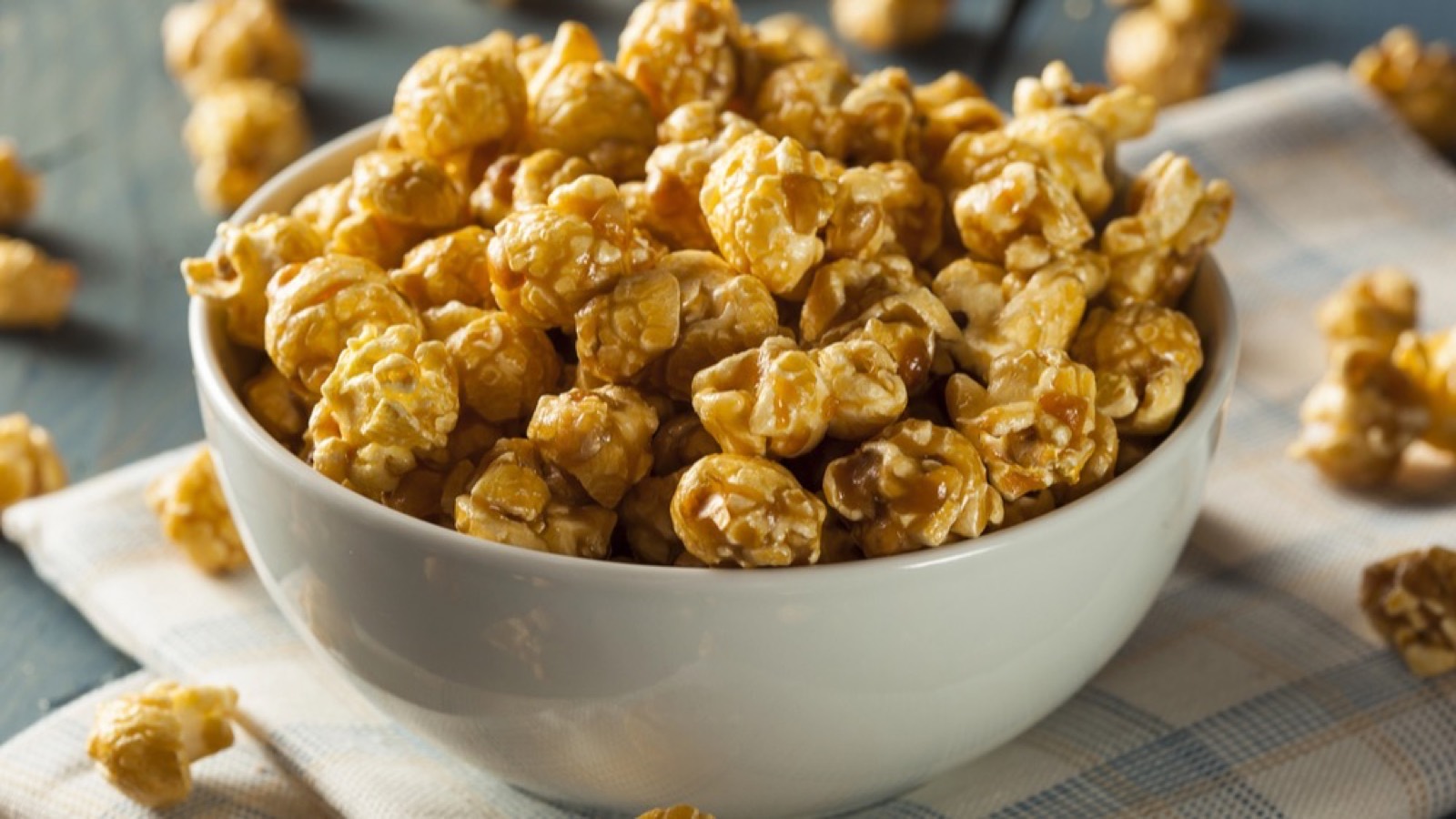
For generations of kids, digging through the popcorn to find the prize was half the fun. In 2016, Cracker Jack replaced the physical toys with digital prizes that could be accessed by scanning a code. Many longtime fans were disappointed, saying the magic of finding a real toy was gone.
2. Cereal Box Toys
In the 1950s and 1960s, cereal companies competed fiercely for kids’ attention, and toys were one of their best weapons. Boxes held plastic figures, decoder rings, stickers, and even small boats. Kellogg’s famously gave away little plastic submarines and frogmen that dove and surfaced when you filled a compartment with baking soda and dropped them into water.
Kids begged their mothers to buy whatever cereal had the best prize. Many boomers remember tearing open the box the moment they got home to dig out the toy, sometimes spilling half the cereal. Today, toys inside cereal boxes are much rarer, as companies have moved to online games and promotions.
3. Records on the Back of Cereal Boxes
One of the most surprising cereal prizes was the cardboard record. In the late 1960s and 1970s, Post printed playable records on the backs of some cereal boxes. Kids cut them out, put them on the family record player, and listened to songs by popular groups.
One of the most famous was “Sugar, Sugar” by the Archies, a cartoon band that had a number one hit in 1969. Post also printed records by the Jackson 5 and other groups. The records didn’t sound great, but kids loved them, and they’re now collectibles.
4. Bazooka Joe Comics
Bazooka bubble gum was introduced by Topps after World War II, and each piece came wrapped with a tiny comic strip featuring Bazooka Joe, a boy with an eye patch, and his friends. The comics also included fortunes and offers for prizes you could send away for by mail.
Kids traded the comics and saved them up to order toys. In 2012, Topps replaced the comics with puzzles and brain teasers, saying it wanted to appeal to modern kids. Fans were sad to see the comics go, and many people still remember the corny jokes.
5. Dixie Cup Lids With Movie Stars
In the 1930s, 1940s, and 1950s, little paper Dixie cups of ice cream came with a special prize. On the underside of the lid was a photo of a movie star, sports hero, or other famous figure. Kids licked the lids clean to see who they got, and many collected them in albums.
The lids featured stars like Shirley Temple, Clark Gable, and many others. Some kids sent the lids away for larger photos of their favorite stars. Those lids are now popular collectibles, and many boomers’ parents remember them as one of the joys of a summer afternoon.
6. Welch’s Jelly Jar Glasses
For many families, the jelly jar was never thrown away. Welch’s sold its grape jelly in glass jars that were designed to be reused as drinking glasses, and in the 1950s and 1960s, many of them were decorated with popular cartoon characters. The Flintstones, Howdy Doody, and other characters appeared on the glasses.
Kids collected the whole set, and families used them for milk, juice, and iced tea. Many boomers still have one or two in the back of a cupboard. Like many old premiums, they’re now collected and sold at antique shops.
7. Flour Sacks With Printed Fabric
Long before boxed prizes for kids, flour and feed companies gave women something useful. In the 1930s, 1940s, and 1950s, many flour and feed sacks were made of cotton printed with colorful patterns. Women washed the sacks and sewed them into dresses, aprons, quilts, and curtains.
Companies noticed that women would choose a brand based on the patterns, so they began offering more and more designs. Families who didn’t have much money could make new clothes for their children. By the 1960s, paper bags had mostly replaced the cloth sacks, but many quilts made from them are still cherished family heirlooms.
8. Red Rose Tea Figurines
Red Rose Tea boxes held a special prize for collectors: tiny porcelain animal figurines made by Wade, a pottery company in England. The promotion started in Canada in 1967 and later came to the United States. Each box held one figurine, and people collected whole sets of animals, nursery rhyme characters, and more.
Many grandmothers kept their Red Rose figurines lined up on a windowsill or shelf. The figurines are still collected today, and some sets are worth more than people expect. They’re a reminder of how even a box of tea could feel like a gift.
Why the Prizes Disappeared
Several things brought an end to most grocery store prizes. Safety rules became stricter, especially for toys that could be choking hazards for young children. Companies also faced rising costs, and the price of including a prize in every package added up.
Marketing also changed. Many companies moved their promotions online, offering codes, games, and digital rewards instead of physical toys. The Consumer Product Safety Commission sets strict rules for toys sold to young children, and those rules made small prizes harder to include safely.
The Collector Craze
Today, many of these old prizes are collectibles. Cereal toys, Dixie cup lids, jelly jar glasses, and flour sack fabric sell at antique shops, flea markets, and online auctions. Some rare items are worth hundreds of dollars, and that’s why items in your parents’ house are worth a second look before you donate them.
For many boomers, these prizes bring back memories of simpler times, when a trip to the grocery store could end with a little surprise. They belong with the other boomer childhood things that faded away.
Which grocery store prize do you remember most, and do you still have any of them? Many readers say they still have a Welch’s jelly glass in the cupboard.