8 Pantry Products Grandma Bought That Most Stores Stopped Carrying
Grandma’s pantry was a carefully stocked fortress. Every shelf held products she trusted, many of them the same brands her own mother had bought. She knew exactly where to find them at the store, and she never needed a list to remember what was running low.
Today, many of those products are hard to find. Some disappeared completely for a while, while others are still made but have been pushed to the back of the shelf or sold only online. Younger shoppers walk right past them, if the store carries them at all. Here are eight pantry products that Grandma bought regularly, and what happened to them as grocery stores changed.
1. Postum
Postum was a hot drink made from roasted wheat bran, wheat, and molasses, and it was popular as a coffee substitute. C.W. Post created it in 1895, years before he became famous for his breakfast cereals. Many families drank it because it was caffeine-free, and it was especially popular during World War II, when coffee was rationed.
Grandmothers who couldn’t sleep after drinking coffee often switched to Postum. In 2007, Kraft discontinued the drink, and loyal fans were heartbroken. A small company later bought the rights and brought it back in 2013, but today it’s mostly found online and in a few specialty stores.
2. Sanka
Sanka was one of the first decaffeinated coffees sold in America, and its name came from the French “sans caféine,” meaning without caffeine. The bright orange label became so famous that many diners and restaurants used orange-rimmed coffee pots to signal decaf, a tradition that still survives in some places today.
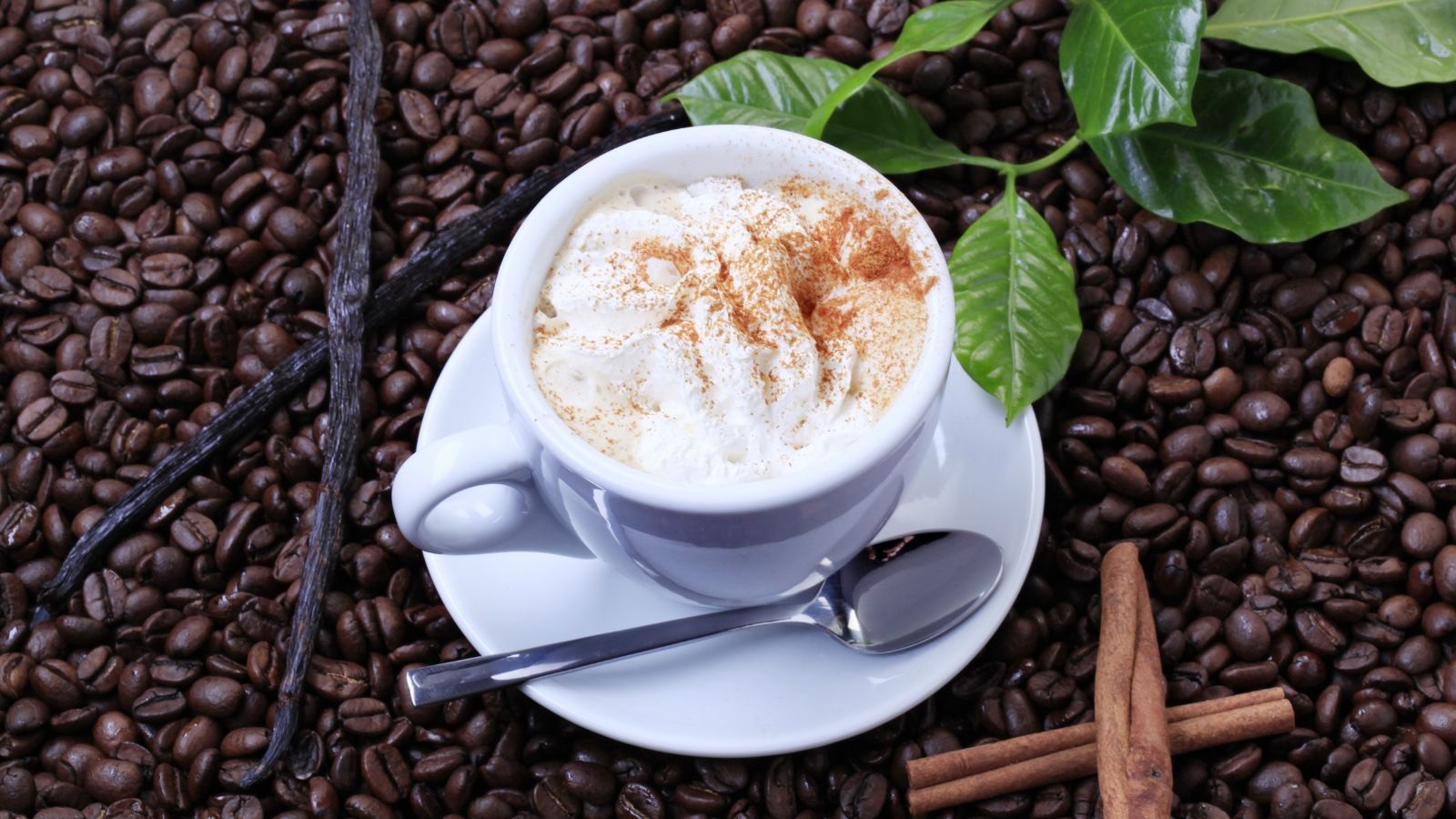
For decades, Sanka was a staple in many kitchens, especially for older people who wanted coffee without the jitters. As more decaf options came along, Sanka slowly lost its place. It’s still made, but most supermarkets no longer carry it, and fans often have to order it online.
3. Junket Rennet Custard Tablets
Junket was a dessert that grandmothers made from milk, sugar, flavoring, and a small tablet of rennet, an enzyme that turned the milk into a soft, silky custard. It was easy to digest and was often given to children and sick family members. Many boomers remember eating it as a light dessert.
The tablets were once sold in nearly every grocery store. Today, they’re still made by a small company but are rarely found on store shelves. Some home cheesemakers still buy them, since rennet is also used to make cheese.
4. None Such Mincemeat
None Such mincemeat has been sold since the 1880s and was once the go-to choice for holiday pies. It came in jars and boxes, either ready to use or condensed into a brick that had to be mixed with water. Grandmothers used it for pies, cookies, and bars every Thanksgiving and Christmas.
Mincemeat has fallen out of fashion with younger cooks, and many stores now carry it only during the holidays. In some areas, it’s hard to find at all. Fans who still bake mincemeat pies often stock up in November so they don’t run out.
5. Sorghum Syrup
In the South and parts of the Midwest, sorghum syrup was a staple on the breakfast table. It’s made by pressing the juice from sorghum cane and boiling it down into a thick, amber syrup. It has a rich, earthy flavor that many people describe as somewhere between molasses and honey.
Grandmothers poured it over biscuits, pancakes, and cornbread, and used it in baking. As maple-flavored syrups took over the grocery aisle, sorghum became harder to find. Today, it’s mostly sold at farm stands, specialty shops, and fall festivals where farmers still make it the old-fashioned way.
6. Bosco Chocolate Syrup
Bosco was one of the most popular chocolate syrups in America for much of the 20th century. It was sold in glass jars and was used to make chocolate milk and drizzle over ice cream. Many boomers remember its catchy jingle and the moment their mother stirred a spoonful into their milk.
Bosco is still made by a family-owned company, but it’s harder to find in grocery stores than it once was. Hershey’s and Nesquik took over most of the shelf space. Many fans now buy Bosco online to keep the tradition alive.
7. Block Lard
Before Crisco and vegetable oils took over, lard was the fat of choice in American kitchens. Grandmothers used it for frying chicken, making flaky pie crusts, and baking biscuits. It came in blocks or tubs, and many families also saved their own lard from home butchering.
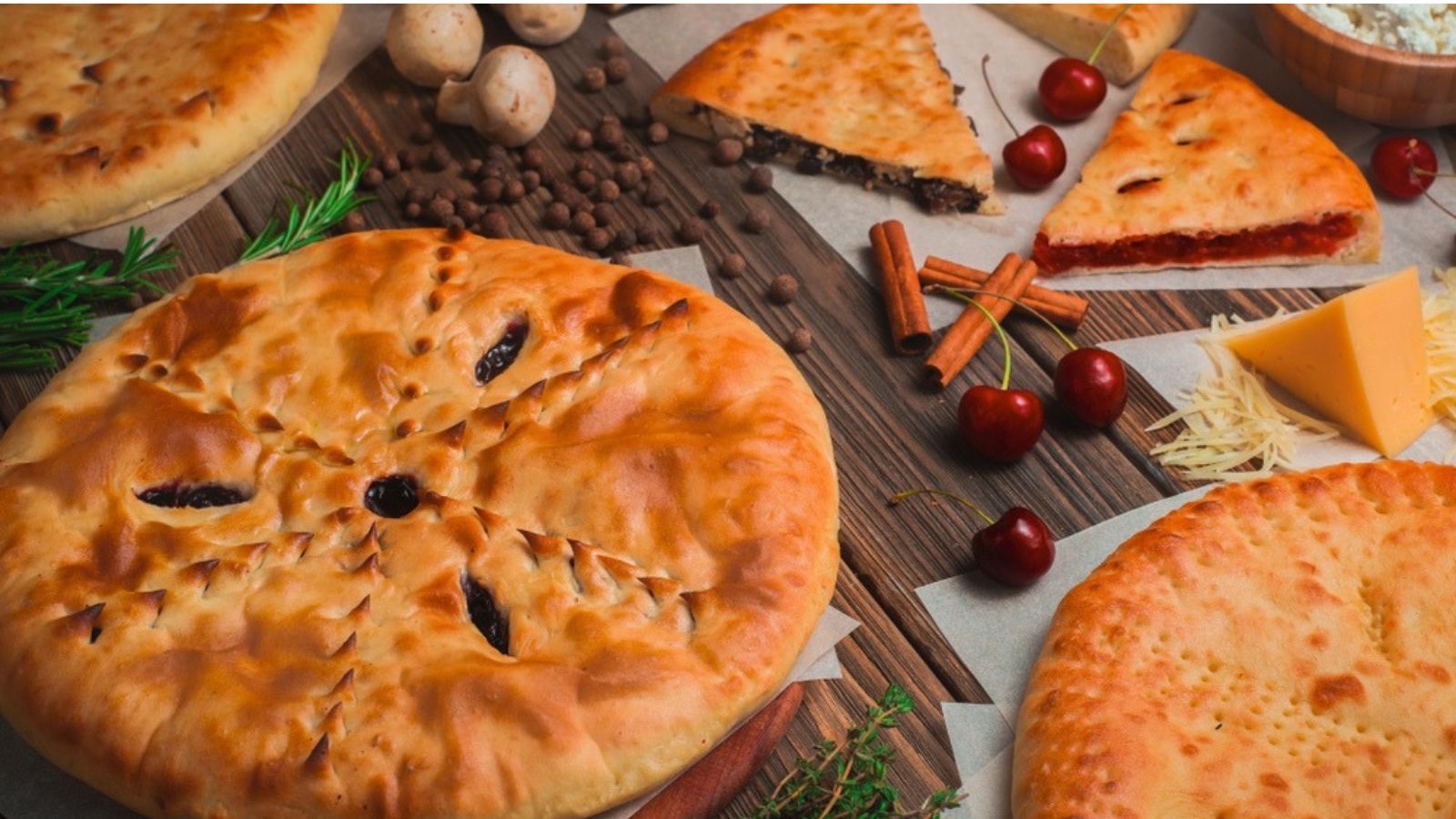
Crisco was introduced in 1911 and was marketed as a cleaner, more modern alternative. Over the years, lard lost its place, especially as concerns grew about saturated fat. Many stores still carry a small amount, often near the Hispanic foods or in the meat section, but it’s no longer a staple. Some bakers swear that lard still makes the best pie crust.
8. Salt Pork
Salt pork is pork belly or fatback that has been cured in salt. Grandmothers used it to flavor beans, greens, soups, and chowders, and it was a key ingredient in many New England and Southern dishes. A small piece added a rich, salty flavor to an entire pot.
Salt pork was common in grocery stores for generations, but many younger cooks have never used it, and they reach for bacon instead. Some stores still carry it in the meat case, but it’s often hard to find. For many families, though, a pot of beans just doesn’t taste right without it.
Why These Products Vanished
Many of these products faded as tastes and cooking habits changed. Younger families cooked less from scratch, and convenience foods took over the grocery aisles. Products that were once essential became niche items, and stores gave their shelf space to bigger sellers.
Health trends also played a role. Lard and salt pork lost popularity as Americans cut back on saturated fat and salt. Others, like Postum and Sanka, were replaced by newer products. Many of these products were part of the kitchen staples grandmothers kept within arm’s reach.
Where to Find Them Today
The good news is that many of these products are still available if you know where to look. Online stores, specialty grocers, and small companies have kept many old favorites alive. Farm stands and Amish markets often sell products like sorghum syrup and lard.
Some families buy these products to recreate Grandma’s recipes, while others simply enjoy a taste of the past. Even big retailers sell many of them online now, and they’re part of a growing interest in the poor people foods that even the wealthy eat and enjoy.
Which of these pantry products did your grandmother keep on her shelves, and do you still buy any of them? Many readers say Postum was the taste of their grandmother’s kitchen.