Only People Who Grew Up in the 1970s Remember These 10 Lunchboxes
If you grew up in the 1970s, your lunchbox said a lot about you. It was made of metal, it clanged when you dropped it on the bus and it showed off your favorite TV show, band or superhero before you ever opened your mouth.
Most of those boxes came from two companies, Aladdin and Thermos, and many of them now sit in the Smithsonian’s National Museum of American History. Here are 10 lunchboxes from the decade that kids carried proudly to school, each with the year and maker recorded by the Smithsonian.
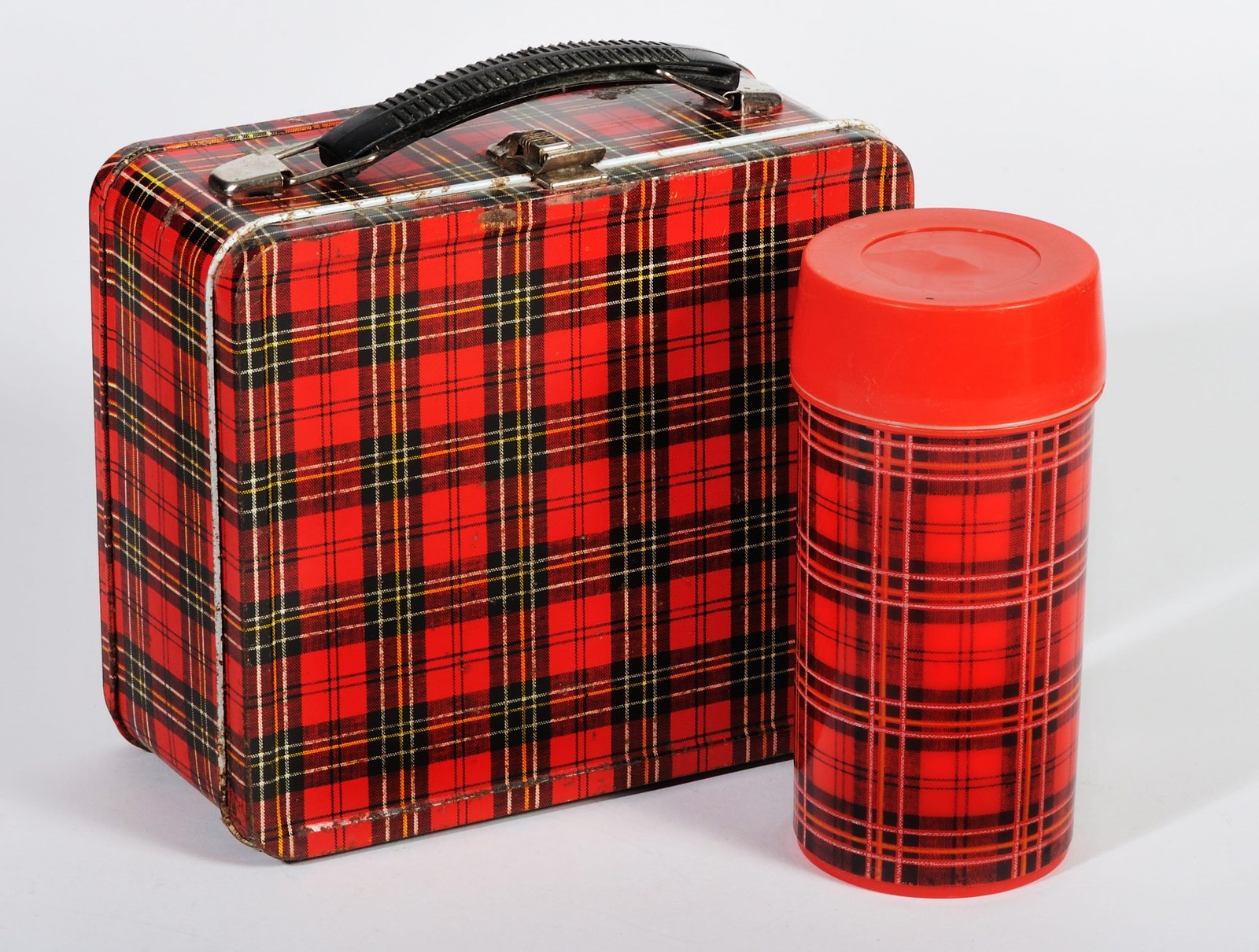
The character lunchbox craze started two decades earlier. According to the Smithsonian’s Aladdin Industries records, the Nashville company began printing radio, movie and TV figures on metal school lunch kits in 1950, starting with Hopalong Cassidy. By the ’70s, a new design for every hit show was practically a back-to-school tradition.
1. The Partridge Family (Thermos, 1971)
The musical family from TV rolled onto lunchboxes in 1971, according to Smithsonian magazine’s history of the lunch box. Kids who sang along every week could carry the whole band to the cafeteria.
What went inside was just as memorable, much like the lunches moms packed in the 1970s that kids traded away.
2. Harlem Globetrotters (Thermos, 1971)
The famous exhibition basketball team got its own Thermos lunchbox the same year. It was a favorite for kids who spent recess practicing trick shots and spinning balls on one finger.
3. Woody Woodpecker (Aladdin, 1971)
The cartoon bird with the unmistakable laugh landed on an Aladdin box in 1971. Saturday morning cartoon fans could keep the fun going all week long.
Plenty of ’70s kids also remember the drink that came with it, poured from a matching thermos, one of the nostalgic items everyone had 30 years ago.
4. The Waltons (Aladdin, 1973)
Aladdin’s 1973 box featured the family from the CBS drama that ran from 1972 to 1981. The Smithsonian’s record for The Waltons lunch box notes the show was a huge hit that won five Primetime Emmys in 1973, including Outstanding Drama.
It was a gentle, homespun choice, and it fit right in with the snacks in many lunch bags, including several snack cakes from boomer lunchboxes that are gone now.
5. Kung Fu (Thermos, 1974)
The 1970s TV series about a Shaolin monk wandering the Old West got a Thermos lunchbox in 1974, according to Smithsonian magazine. It was a big hit with kids who practiced their moves on the playground. Showing off your lunchbox at the bus stop was its own kind of ritual, much like the little rituals from the ’80s and ’90s that disappeared without much notice.
6. Jonathan Livingston Seagull (Aladdin, 1974)
Not every lunchbox came from TV. Aladdin’s 1974 box was based on the bestselling book about a seagull who wanted to fly higher than the rest of his flock, a favorite of grown-ups and kids alike.
7. Marvel Super Heroes (Aladdin, 1976)
This steel box packed in a crowd. The Smithsonian’s record for the Marvel Super Heroes lunch box describes the Fantastic Four on the lid, Thor, Spider-Man and Captain America on the back, and Bruce Banner turning into the Hulk on one side. Its bright colors and many characters made it very popular.
Kids today still love a good superhero lunch, and parents looking for ideas can borrow from these easy lunch ideas for kindergarten kids.
8. The Bionic Woman (Aladdin, 1977)
Aladdin’s 1977 tin box celebrated the spin-off of The Six Million Dollar Man. The Smithsonian notes the show aired on ABC for the 1976-1977 season before moving to NBC. Lindsay Wagner starred as Jaime Sommers, and plenty of kids carried her to school in the hope of a little bionic strength before the spelling test.
9. The Life and Times of Grizzly Adams (Aladdin, 1977)
This one stood out because of its shape. It was a dome-topped metal box, the style that looked like a tiny barn or mailbox, and it featured the NBC series about a mountain man and his bear that aired from 1977 to 1978.
10. Bee Gees (Thermos, 1978)
At the height of disco, the Bee Gees got their own lunchbox. According to the Smithsonian, there were several versions, one featuring each of the three Gibb brothers on the back panel, with song titles running along the side.
The End of the Metal Era
Metal lunchboxes did not last forever. Smithsonian magazine notes that molded plastic, which was cheaper to make, took over in the 1980s, and Aladdin stopped making lunchboxes altogether in 1998.
Today, the old metal boxes are collector favorites. If one of these was yours, there is a good chance you can still picture the dent in the lid and the smell of the thermos.