13 States Have Now Passed Laws Banning Food Dyes in School Meals, and 5 of Them Are Already in Effect: The Full List
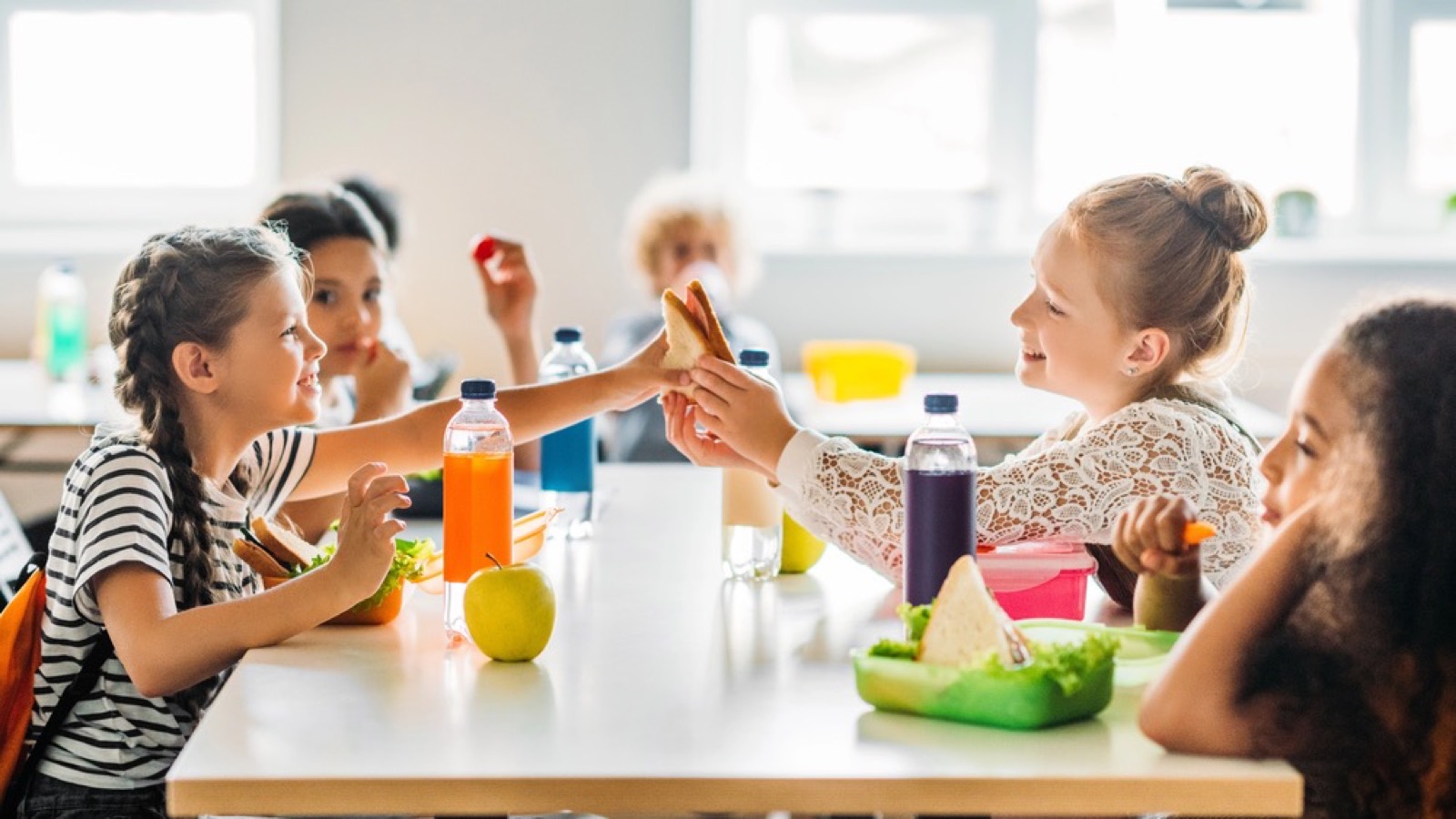
If your children or grandchildren eat school lunch, what’s on their tray may be changing. A growing number of states have passed laws banning artificial food dyes and certain additives from school meals, and in some states, those rules are already in effect.
According to a state-by-state tracker by Regbase, last updated November 14, 2026, 13 states have now enacted laws that ban or restrict synthetic food dyes or additives in school food. Five of those laws are already in force, while the rest take effect between 2027 and 2028. The dyes most often targeted include Red No. 40, Red No. 3, Yellow No. 5, Yellow No. 6, Blue No. 1, Blue No. 2 and Green No. 3.
The movement has picked up speed over the past two years, as parents, lawmakers and federal officials have pushed food companies to move away from artificial colors. Here’s the full list of states, what each law covers and when it starts.
The 5 States Where School Dye Bans Are Already in Effect
West Virginia was the first state to act. Its law, HB 2354, banned seven synthetic dyes from school meals starting August 1, 2025. According to the Regbase tracker, the school-meal portion is in force, even though a separate statewide retail ban in the same law has been blocked by a federal court while it’s appealed.
Delaware banned Red No. 40 from school meals starting July 1, 2026. It’s the narrowest law on the list, covering just that one dye.
Utah restricts seven dyes plus potassium bromate and propylparaben in school foods starting with the 2026-27 school year. Smaller districts with 5,500 or fewer students have some exemptions.
Arizona bans 11 additives, including several dyes, potassium bromate, propylparaben, titanium dioxide and brominated vegetable oil, from food sold or served on public school campuses during the school day starting this school year. The law covers class parties and fundraisers too.
Texas prohibits 18 listed substances, including Red No. 3 and Red No. 40, in school meals starting with the 2026-27 school year, for contracts signed or renewed on or after September 1, 2026. The Texas law applies to free and reduced-price meals.
The 8 States Where Bans Start in 2027 or 2028
Virginia will ban seven dyes from public school meals starting July 1, 2027. Iowa passed HF 2676, signed May 20, 2026, banning six dyes plus potassium bromate and propylparaben from school foods for school years starting on or after July 1, 2027.
Tennessee first banned Red No. 40 from school property and then expanded the ban in 2026 to cover all synthetic dyes in school nutrition programs, starting in the 2027-28 school year.
Nebraska passed LB 940, signed April 14, 2026, banning six dyes from school meals served under federal school lunch programs starting August 1, 2027. California passed AB 2316 in 2024, banning six dyes from food sold in public schools starting December 31, 2027. California has also passed a separate statewide ban on certain additives in all food that starts January 1, 2027.
Alaska passed SB 187, which bans seven dyes in school food starting January 1, 2028. The bill became law without the governor’s signature in June 2026.
New Hampshire passed SB 577, signed July 2, 2026. Starting July 1, 2028, it prohibits Red No. 3, Citrus Red No. 2 and Orange B in school food and encourages schools to avoid six other dyes. Louisiana passed SB 14 in 2025, which bans a list of “prohibited ingredients” from school meals starting in the 2028-29 school year.
Why States Are Acting
Supporters of these laws say parents want school food that’s simpler and free of artificial colors that add no nutritional value. Many dyes are used mainly to make foods look brighter, especially candy, cereal, drinks and snacks marketed to children.
The federal government has also moved in this direction. In 2025, the Food and Drug Administration announced plans to phase out petroleum-based synthetic dyes from the U.S. food supply and revoked authorization for Red No. 3, which manufacturers must remove from food by January 2027. Several major food companies have announced plans to remove artificial dyes from their products.
What the Food Industry Says
The food industry has pushed back on some state laws, arguing that a patchwork of different state rules makes it hard for companies to sell the same products nationwide. Industry groups say the FDA, not individual states, should set food ingredient rules.
That’s why West Virginia’s broader statewide retail ban has been on hold. A federal judge blocked it in December 2025, and the case is now on appeal, with arguments expected in December 2026. The school-meal portion of West Virginia’s law was not blocked.
What It Means for School Lunches
For students in states with these laws, school menus may already look a little different. Brightly colored cereals, flavored milk, desserts and snacks may be replaced with versions that use natural colors from foods like beets, carrots and turmeric, or with plain alternatives.
Many school nutrition directors say they’ve been working with suppliers to find dye-free products. As more states pass laws and food companies change their recipes, dye-free options are becoming easier to find.
What Dyes Are Commonly Targeted
Most of these laws target the same group of petroleum-based synthetic dyes: Red No. 3, Red No. 40, Yellow No. 5, Yellow No. 6, Blue No. 1, Blue No. 2 and Green No. 3. These colors have been used for decades in candy, cereal, sports drinks, baked goods and snacks. Some laws also cover additives like potassium bromate, propylparaben, titanium dioxide and brominated vegetable oil. Many food companies already sell dye-free versions of popular products in other countries, which supporters say shows that change is possible.
Parents in states without these laws can still ask their school district about dyes in school food. Many districts have already begun removing artificial colors on their own, especially as suppliers offer more dye-free products.
More States May Follow
Lawmakers in other states have proposed similar bans, and more could pass in 2027. Michigan’s House has passed a broader additive ban that is still pending in the state Senate, and New York lawmakers recently sent a bill banning three additives to the governor.
For parents and grandparents, the easiest way to know what’s in school food is to check your district’s menu or ask the school nutrition office. And at home, reading ingredient labels is still the best way to spot artificial dyes, since many states have a long list of foods that are restricted or labeled differently than the rest of the world.